Aruba Weather by Month: Complete 2025 Paradise Guide (Best Time to Visit!) | CaribVisitor
Complete month-by-month guide to weather in Aruba - temperatures, rainfall & best times to visit. Skip the crowds, save money & find perfect paradise timing.
Aruba Weather by Month: Your Complete 2025 Guide to Perfect Paradise Timing
Let me save you some time: Aruba weather has basically two seasons. There's "perfect" and "slightly less perfect but still better than wherever you're reading this from." But if you're the type who needs to know exactly what 82°F versus 84°F means for your vacation plans, I've got you covered with this complete month-by-month guide to weather in Aruba.
After visiting Aruba 23 times (yes, I've counted), I can tell you the weather patterns like I know my own coffee order. The real question isn't whether Aruba weather will be good, it's whether you want to deal with crowds, pay peak prices, or risk a random afternoon shower during your trip to Aruba.
Here's the honest breakdown that'll help you pick the best time to visit Aruba for your perfect Caribbean escape, without any of the generic travel fluff you'll find elsewhere. This monthly weather forecast guide covers everything from average temperature and precipitation to sea temperature and sunshine hours year-round. Whether you're planning your first Aruba vacation or your tenth, this month-by-month guide will help you nail the timing.
Aruba Weather by Month: The Real Story
January - Peak Season Paradise (But Your Wallet Will Feel It)
January is when Aruba flexes its weather muscles with perfect weather conditions. The average temperature hovers around 82°F (28°C) during the day and drops to a comfortable 75°F (24°C) at night. Humidity stays reasonable at 70%, and you'll see maybe 2-3 rainy days all month with minimal rainfall. The trade winds provide that perfect breeze, keeping things comfortable without turning your beach day into a wind tunnel experience.
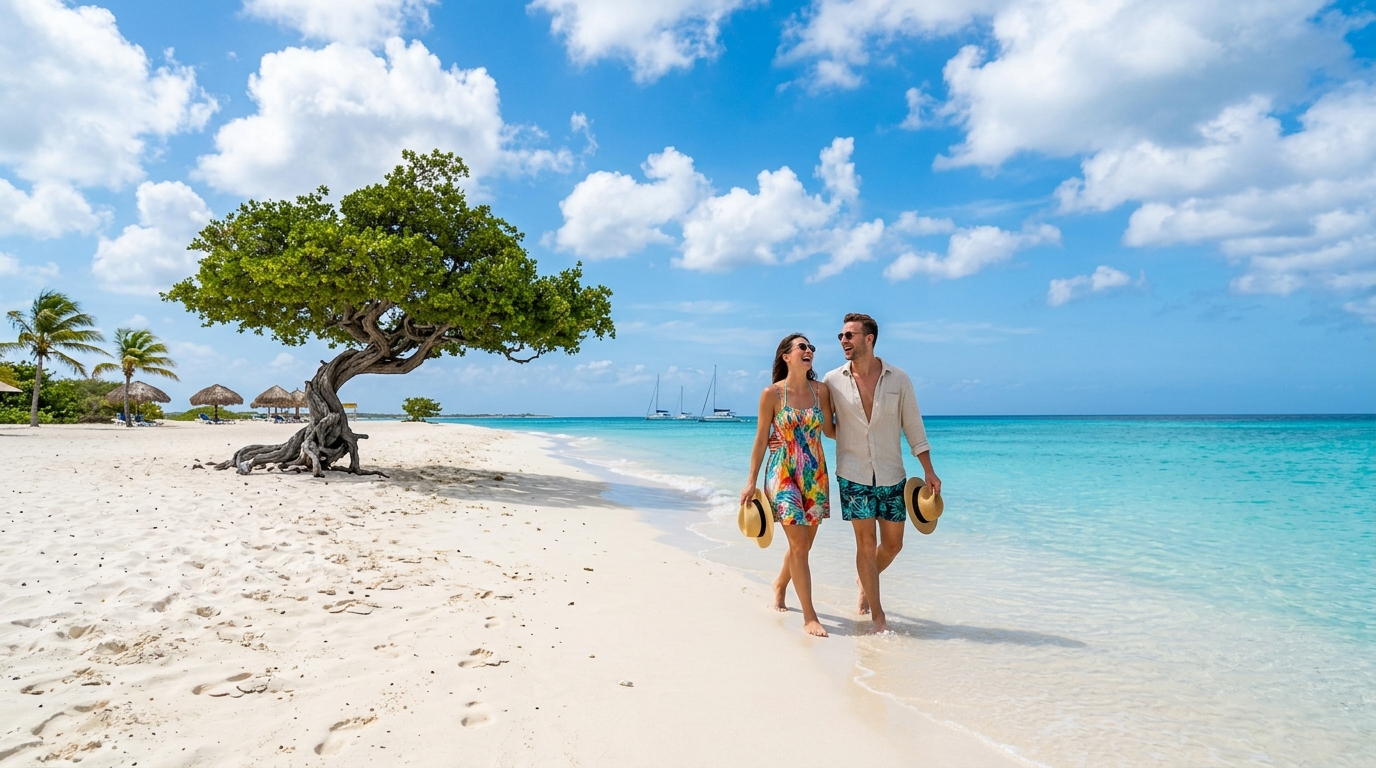
The sea temperature sits at a lovely 79°F, making it ideal for swimming and water sports. This is absolutely the best time to visit Aruba if weather is your only concern, but everyone and their mother knows January offers perfect weather, so expect crowds and premium prices. Hotel rates can be 40% higher than off-season, and popular beaches like Eagle Beach turn into a game of towel Tetris.
Pro tip: The northern beaches get the best wind protection if you're not into sand-blasted sunbathing. January weather in Aruba is as close to paradise as you'll find, with abundant sunshine making every day feel like a postcard.
February - Still Peak, Still Pricey, Still Worth It
February continues January's weather winning streak with virtually identical conditions. You're looking at 82°F days, minimal precipitation (usually just brief afternoon showers), and those glorious trade winds keeping everything comfortable. The ocean temperature sits at a perfect 79°F, so you can actually enjoy the water without that initial "holy crap that's cold" shock.
This is prime time for comparing Caribbean destinations, and honestly, Aruba's consistency makes it hard to beat. February also means carnival season in Oranjestad, which adds culture to your beach time but also means more crowds in the capital. The weather forecast remains predictably perfect, with sunshine dominating most days.
The catch: You're still in peak season pricing territory, and spring break crowds start trickling in toward the end of the month. But for pure sunshine and perfect weather year-round reliability, February delivers consistently for any Aruba vacation.
March - The Sweet Spot (If You Can Handle Some College Kids)
March weather remains stellar with average temperature in the low 80s and minimal rain risk during what many consider the best time to visit Aruba. What changes is the vibe during spring break season, which means more energy (and noise) around popular areas, but it also means some great people-watching opportunities. The trade winds pick up slightly, creating perfect conditions for water sports if that's your thing.
March is when I tell clients to book if they want good weather without January and February's premium pricing. You'll save about 20% on accommodations compared to peak season, and the weather difference is negligible. Just avoid the hotel zones if you're not into the spring break scene flooding the beach areas.
Rainfall averages less than an inch for the entire month, and when it does rain, it's usually a quick 15-minute afternoon shower that actually feels refreshing with that cooling breeze. The sea temperature climbs to 80°F, perfect for extended beach sessions during your trip to Aruba.
April - Shoulder Season Gold
April is when Aruba starts showing its true personality as the weather in Aruba transitions toward summer warmth. Average temperature creeps up to 84°F, but the humidity stays manageable with plenty of sunshine hours. You'll get about 1.5 inches of precipitation for the month, but it's still mostly those quick tropical showers that clear up fast. The crowds thin out significantly after Easter, making this my personal favorite time for an Aruba vacation.
The ocean temperature rises to 80°F, which feels like a warm bath. This is prime time for Caribbean travel if you know what you're doing. Hotel rates drop, restaurants aren't packed, and you can actually find a good spot on the beach without arriving at sunrise. The monthly weather forecast for Oranjestad shows consistent conditions perfect for exploring the capital.
April also marks the beginning of sea turtle nesting season, so if you're into wildlife (and not just the resort bar scene), this adds an extra layer of cool to your trip to Aruba. The perfect weather continues with reliable sunshine and that signature Caribbean breeze.
May - Getting Warmer, Getting Better Deals
May bumps the average temperature up to 85°F during the day, and you'll start feeling that Caribbean summer heat for real. Humidity increases to around 75%, but those trade winds and ocean breeze keep things from getting oppressive. Rainfall stays low at about 1.3 inches for the month, mostly concentrated in quick afternoon bursts that provide relief from the warmth.
This is when Aruba weather transitions from "comfortable" to "tropical," and honestly, that's exactly what most people want from a Caribbean paradise experience. The summer heat means fewer families with small kids, so resorts and beach areas have a more adult-focused vibe. Prices continue to drop, making May excellent value for your Aruba vacation with year-round reliability.
Fair warning: If you're someone who wilts in anything over 80°F, May might push your comfort zone. But if you embrace the summer heat, you'll love the authentic tropical feeling with consistent sunshine and that perfect sea breeze making beach days incredible.
June - Hurricane Season Starts (But Not Really for Aruba)
June officially kicks off hurricane season, but here's the thing about Aruba weather: it sits so far south that hurricanes barely register as a concern. You're more likely to get struck by lightning than hit by a hurricane during your trip to Aruba. Average temperature rises to 86°F with higher humidity around 78%, but ocean breezes and those reliable trade winds keep it manageable.
Precipitation increases to about 2 inches, but it's still mostly brief afternoon showers followed by clearing sunshine. The bigger change is crowd levels. June marks the beginning of European summer vacation season, so you'll see more Dutch and German tourists, which actually adds a nice international flavor to the island vibe, especially around Oranjestad's restaurants and beach clubs.
Hotel rates hit their sweet spot in June, offering great value without sacrificing much in terms of weather quality. The sea temperature climbs to 81°F, perfect for swimming. If you're flexible with dates and want to experience Aruba without the American tourist crowds, June offers excellent weather year-round with that perfect paradise feeling.
July - Hot, Humid, But Still Awesome
July cranks up the summer heat to 87°F with humidity reaching 80%. This is when weather in Aruba feels properly tropical, and you'll understand why locals take their afternoon siestas seriously. Precipitation averages 2.2 inches, but it's predictable, usually a quick downpour in the afternoon that cools things off nicely with that refreshing breeze returning afterward.
Despite the higher average temperature, July has serious advantages for your Aruba vacation. The sea temperature hits 82°F, which feels incredible, and the increased humidity actually makes your skin feel amazing (free spa treatment, anyone?). European families flood in during July, creating a diverse, international atmosphere that beats the typical American resort scene around the beach areas.
Pro tip: Plan indoor activities between 1-4 PM when the sun is most intense. The rest of the day offers perfect weather for beach time, especially early morning and evening hours with gorgeous sunshine. The monthly weather forecast remains reliable even with occasional rainy periods.
August - Peak Heat, Peak Deals
August represents the hottest month for weather in Aruba with average temperature hitting 88°F, with humidity reaching 82%. If you're not a fan of summer heat, skip August. If you love that "I'm definitely in paradise" feeling, this is your jam. Rainfall peaks at about 3.5 inches during the rainy season, but it follows a reliable pattern of afternoon storms that last 30-45 minutes before clearing to gorgeous sunshine.
The upside to August's summer heat? Rock-bottom prices and fewer crowds for your Aruba vacation. Hotels offer their best deals, and you'll have your pick of restaurants without reservations in Oranjestad. The summer heat also means the sea temperature feels absolutely perfect at 83°F, like swimming in a giant bathtub. August in the Caribbean gets a bad rap, but Aruba handles it better than most islands with consistent year-round trade winds.
Just pack accordingly for this weather: lightweight, breathable clothes, extra sunscreen, and embrace the air conditioning during midday. The weather forecast remains predictable even during the rainy season, with that reliable breeze providing relief from the heat.
September - Still Hot, Still Great Value
September maintains August's average temperature at 88°F but humidity starts dropping slightly to 80%. This is still peak rainy season with about 3.8 inches of precipitation, but remember, we're talking about quick afternoon storms, not all-day rain events. The good news is these storms actually provide welcome relief from the summer heat with cooling breezes following each shower.
September is when I recommend Aruba to budget-conscious travelers who can handle summer heat but still want that paradise experience. You'll get 70% of the peak season experience at 50% of the cost. The sea temperature stays warm at 83°F, perfect for extended swimming and water sports during your trip to Aruba, with beach areas remaining accessible even during brief rainy periods.
Hurricane season continues to be a non-issue for Aruba's location, though you might see some dramatic cloud formations that make for incredible sunset photos. Just don't expect the postcard-perfect blue skies and sunshine of winter months. The monthly weather forecast for Oranjestad remains reliable despite being the rainy season.
October - Transitioning Toward Perfection
October starts Aruba's transition back to perfect weather conditions. Average temperature drops slightly to 87°F, humidity decreases to 79%, and precipitation begins its decline to 3.2 inches for the month. You'll still get those afternoon showers, but they become less frequent and shorter-lived, with more consistent sunshine returning to create that paradise feeling.
This is when smart travelers start returning to discover the best time to visit Aruba for value. You get near-peak season weather conditions at shoulder season prices. The summer heat is still significant, but it's more manageable than August and September. The sea temperature remains a lovely 82°F, and beach crowds are minimal for your Aruba vacation.
October also marks the end of European summer vacation season, so the island takes on a more relaxed, local feel around Oranjestad and the beach areas. It's perfect timing if you want to experience authentic Aruban culture without fighting crowds for restaurant tables, while still enjoying year-round sunshine and that cooling breeze.
November - Weather Perfection Returns
November is when weather in Aruba remembers why everyone loves it and why many consider it the best time to visit Aruba. Average temperature drops to a comfortable 85°F, humidity decreases to 76%, and rainfall drops to just 2 inches for the entire month. Those oppressive afternoon storms become occasional light showers that feel refreshing rather than disruptive, with plenty of sunshine between any brief precipitation.
This is shoulder season at its finest for any Aruba vacation. You get 90% of peak season's weather quality at significantly lower prices. The sea temperature holds steady at 81°F, and trade winds return to their perfect balance of cooling breeze without being annoying. November is when I book my own personal trips to Aruba for the ideal weather year-round, offering that perfect paradise experience.
The only downside is that word is getting out about November's sweet spot, so you might encounter more savvy travelers who've figured out this timing around the beach and Oranjestad areas. Still way better than peak season crowds, though, and the weather forecast remains consistently excellent with abundant sunshine.
December - Peak Season Preview
December weather in Aruba is nearly identical to January, with 83°F days, 76°F nights, low humidity at 73%, and minimal precipitation around 1.8 inches. The only difference is December still counts as shoulder season until about December 20th, when holiday crowds and peak pricing kick in for what many consider the best time to visit Aruba.
If you can travel early December, you hit the jackpot: perfect weather, reasonable prices, and manageable crowds for your Aruba vacation. After December 20th, you're back to peak season everything: crowds, prices, and the need to book restaurants in advance around Oranjestad and beach areas. The average temperature doesn't care about your calendar, but your wallet definitely will.
December also brings some of the most consistent sunshine of the year with reliable trade winds creating that perfect breeze. You can plan outdoor activities with confidence, knowing rain is unlikely to mess up your plans. The sea temperature stays perfect at 80°F, making it paradise for beach lovers seeking year-round perfection.
When to Visit Aruba: The Bottom Line
Here's my honest take after years of experiencing weather in Aruba in every conceivable month: if perfect weather is your only concern, the best time to visit Aruba is January through April or November through December. If you want the best value without sacrificing too much comfort, go for May, October, or early December for your Aruba vacation with reliable year-round conditions.
Avoid August and September only if you're sensitive to summer heat and humidity during the rainy season. Even then, Aruba weather is manageable compared to other Caribbean islands thanks to those consistent trade winds and ocean breeze. The official Aruba tourism board will tell you the same thing I just did, just with more corporate speak and fewer honest opinions about crowds and pricing around Oranjestad and beach areas.
Remember: Aruba sits outside the main hurricane belt, so hurricane season concerns that apply to other Caribbean destinations simply don't apply here. Your biggest weather-related decision is whether you prefer "perfect" or "slightly less perfect but way cheaper" for your trip to Aruba. The weather forecast remains reliable year-round, making it a consistent paradise destination with that perfect sunshine and cooling breeze combination. This month-by-month guide should help you find your ideal timing, whether you're chasing perfect weather or perfect deals.
Share this Rant:
Frequently Asked Questions
What is the rainiest month in Aruba?
September typically sees the most rainfall at around 3.8 inches during the rainy season, followed closely by October. But don't let that scare you off from your Aruba vacation. Aruba's precipitation comes in quick afternoon bursts that last 30-45 minutes, then clear up completely with sunshine returning. You're not dealing with all-day downp
Comments (0)
No comments yet. Be the first to complain.