Best Diving Spots in Curaçao: Top Scuba Dive Sites & Wreck Dives (2024) | CaribVisitor
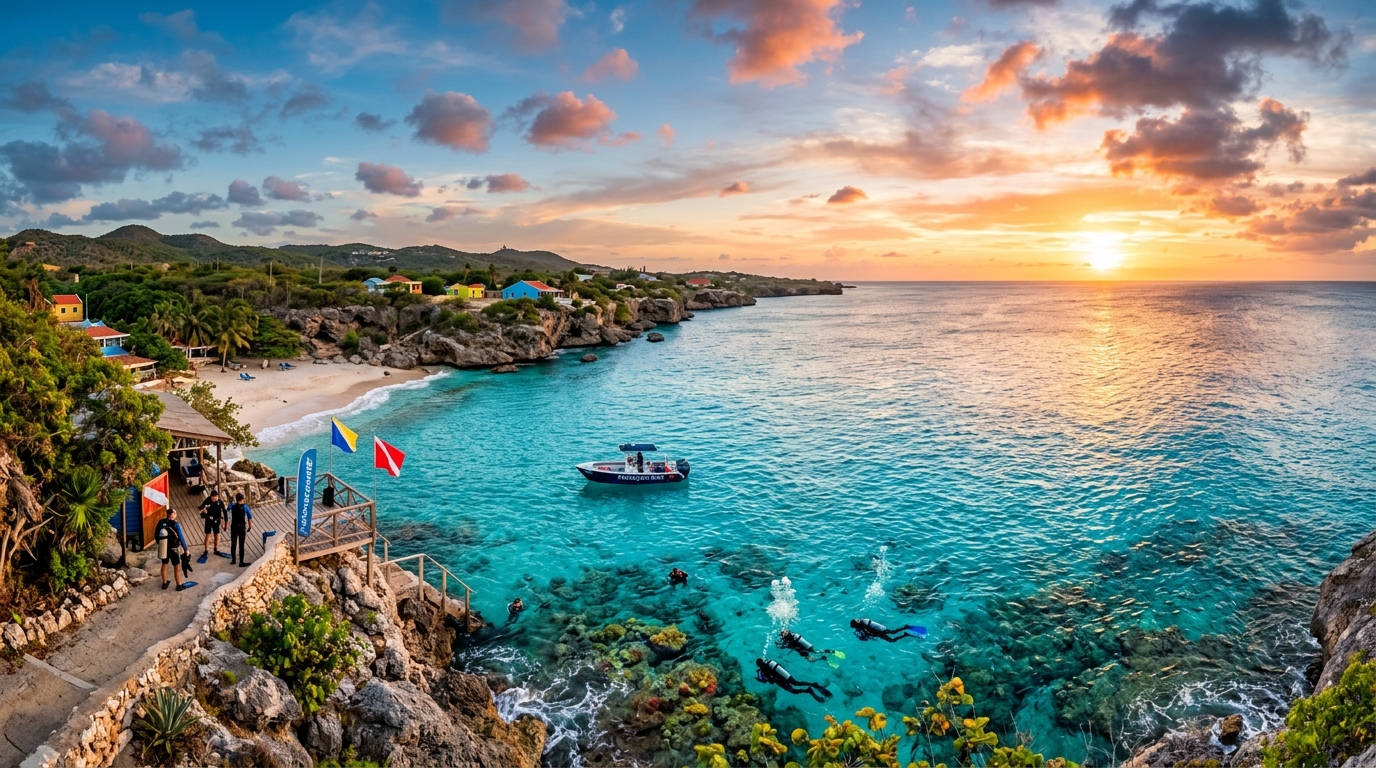
Skip the tourist traps. A local expert reveals Curaçao's top dive sites - from epic wrecks to pristine reefs. Real scuba diving spots that deliver.
Best Diving Spots in Curacao: Top Scuba Dive Sites & Wreck Dives You Need to Know
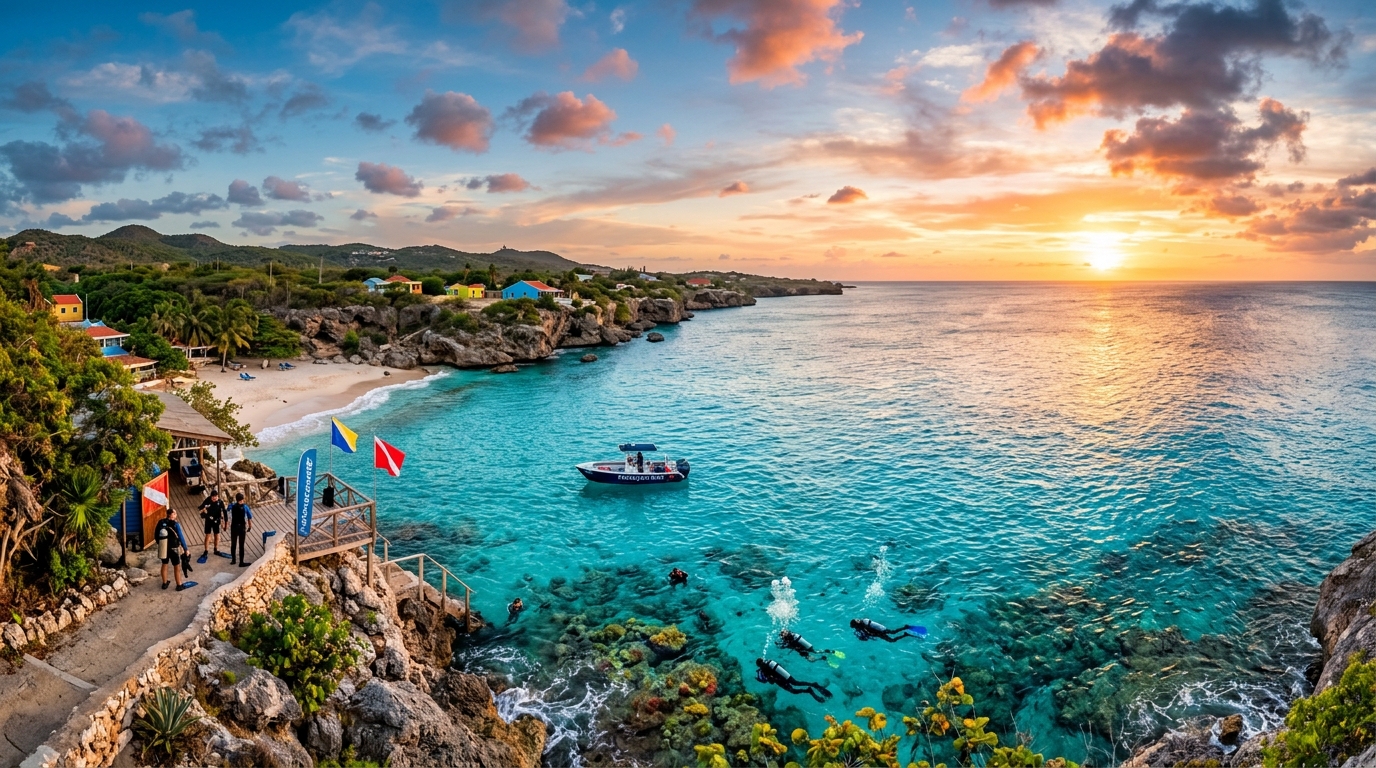
Look, I've been scuba diving in Curaçao's waters for over a decade, and I'm tired of seeing the same tired recommendations everywhere. Sure, the Blue Room is pretty, but it's also packed tighter than a rush-hour subway car most days. You want the real deal? The dive spots where you'll actually see something worth Instagram-ing without fighting through a crowd of cruise ship day-trippers?
Here's the thing about diving in Curaçao, it's criminally underrated compared to its flashier neighbors. While everyone's fighting for space in Barbados or paying resort prices in Aruba, you've got 40+ world-class dive sites practically to yourself. The island's volcanic origin created some seriously dramatic underwater topography, and the fact that it sits outside the hurricane belt means visibility stays crystal clear year-round. Trust me, these top dive sites in Curaçao will ruin other Caribbean destinations for you.
The Heavy Hitters: Curaçao's Must-Dive Sites
Mushroom Forest
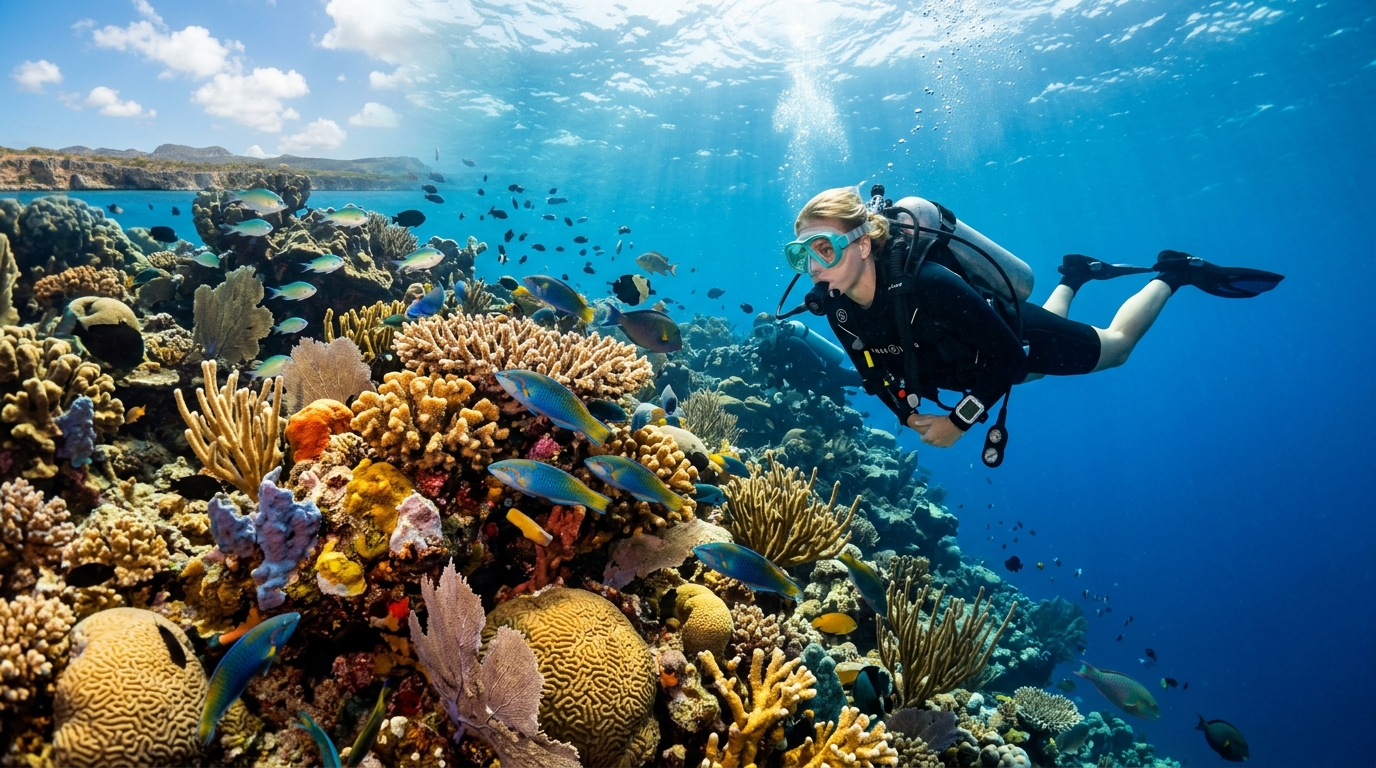
Forget everything you think you know about Caribbean reef diving. Mushroom Forest isn't your typical coral garden, it's an underwater alien landscape that'll make you question whether you're still on Earth. These massive plate corals stack up like geological formations, creating swim-throughs and caverns that photographers go absolutely nuts for. This dive site consistently ranks as one of the best diving spots in Curaçao for good reason, and any serious diver will tell you it's a must-hit site.
The site starts shallow at about 15 feet, making it perfect for newer divers to build confidence on the reef, but the real magic happens around 60-80 feet where the mushroom formations get massive. I've seen eagle rays cruise through here like they own the place, and the macro life hiding in the coral crevices is insane. Green moray eels, spotted drums, flamingo tongues, it's like a Caribbean species checklist down there. You'll often spot turtle gliding between the coral formations too.
Pro tip: Hit this dive spot in the morning before the afternoon currents kick in. The viz can drop from 100+ feet to maybe 60 if you wait too late, and trust me, you want to see every detail of these reef formations. Most dive shops offer this as a boat dive, and operators like Ocean Encounters can get you here efficiently with their experienced dive guides who know exactly how to navigate the site.
Superior Producer Wreck
This is hands-down the best wreck dive in the southern Caribbean, and I'll fight anyone who says otherwise. The Superior Producer was a cargo ship that caught fire and sank in 1977, and now she's sitting pretty at 100 feet, completely intact and absolutely crawling with marine life. For any diver serious about wreck diving in Curaçao, this site alone justifies a dive vacation to the island.
What makes this wreck special isn't just its size (it's 366 feet long), it's how it's become this thriving artificial reef. The ship's superstructure is covered in orange cup coral and sponges, and the cargo holds have become apartments for grouper, tarpon, and some seriously massive green morays. I once counted 12 different species of fish just in the wheelhouse area. You'll regularly see turtle swimming around the wreck's upper sections, and the coral growth on the superstructure rivals many natural reef systems.
Fair warning: this is an advanced dive site that requires proper wreck dive training and experience. The depth, potential for strong currents, and the fact that you'll want every second of bottom time to explore means you need to be comfortable and experienced. But if you've got the skills, this wreck will ruin other Caribbean wrecks for you. Ocean Encounters and other top dive operators run regular trips here for certified wreck divers.
Watamula
Here's where I send divers who think they've seen everything Caribbean diving has to offer. Watamula is Curaçao's wild west, literally on the northwest tip where the Caribbean Sea meets some serious geography. This isn't your gentle resort reef dive; it's dramatic walls, swim-throughs, and some of the most pristine hard coral formations I've seen anywhere. It's easily one of the best diving experiences you'll find among dive sites around Curaçao.
The dive site features a series of coral ridges and valleys that create natural highways for pelagic species. I've had encounters with Caribbean reef sharks, massive tarpon schools, and once, I kid you not, a hammerhead that cruised by like it was just checking out the neighborhood. The hard coral coverage here is what the rest of the Caribbean looked like 30 years ago, making it a bucket-list dive spot for any serious diver.
The catch? It's a boat dive, weather dependent, and not for beginners. The currents can be unpredictable, and you need to be comfortable with deeper water and potentially choppy surface conditions. Most dive shops only run trips here when conditions are perfect, but when they align, it's absolutely magical.
Alice in Wonderland
Don't let the whimsical name fool you, this dive site is serious business for underwater photographers and macro enthusiasts. Alice in Wonderland is all about the small stuff: nudibranchs that look like tiny aliens, juvenile fish in colors that seem too bright to be real, and coral formations that create perfect natural frames for your shots. This dive spot showcases why Curaçao scuba diving is so special for macro photography.
The topography here is unique, it's like diving through a coral maze with tunnels, overhangs, and small caverns everywhere. The site maxes out around 60 feet, so you get plenty of bottom time to really explore and look for the tiny creatures that make this place special. I've found seahorses, frogfish, and some of the most photogenic flamingo tongue snails you'll ever see. The reef structure here creates perfect hiding spots for juvenile fish and invertebrates.
This is also one of the better night dive spots on the island. The coral polyps extend after dark, and the nocturnal creatures that come out are completely different from the daytime crowd. Just make sure you've got a reliable dive light and backup, the swim-throughs get properly dark, but that's when the reef really comes alive.
Tugboat
Okay, I know what you're thinking, "Mara, the Tugboat is literally in every Curaçao diving guide." And you're right. But here's the thing: sometimes dive sites become famous because they're actually that good. The Tugboat earned its reputation honestly as one of the most accessible and rewarding sites among all dive sites in Curaçao.
This little wreck sits in just 15 feet of water right off a gorgeous beach, making it perfect for beginners, snorkel enthusiasts, and anyone who wants an easy but spectacular dive. The tugboat itself is completely covered in coral and sponges, and it's become a fish magnet. Schools of yellowtail snappers, sergeant majors, and parrotfish treat this wreck like their personal highway.
What I love about the Tugboat isn't just the wreck dive itself, it's the surrounding reef. You can easily spend an entire dive just exploring the coral formations around the boat, and the macro life here is fantastic. Plus, it's shore accessible, so you can dive it anytime without depending on boat schedules or weather conditions. Most dive shops use this as a training site, but don't let that fool you into thinking it's boring for experienced divers.
The Shore Diving Game-Changers
Why Shore Diving in Curaçao is Actually Amazing
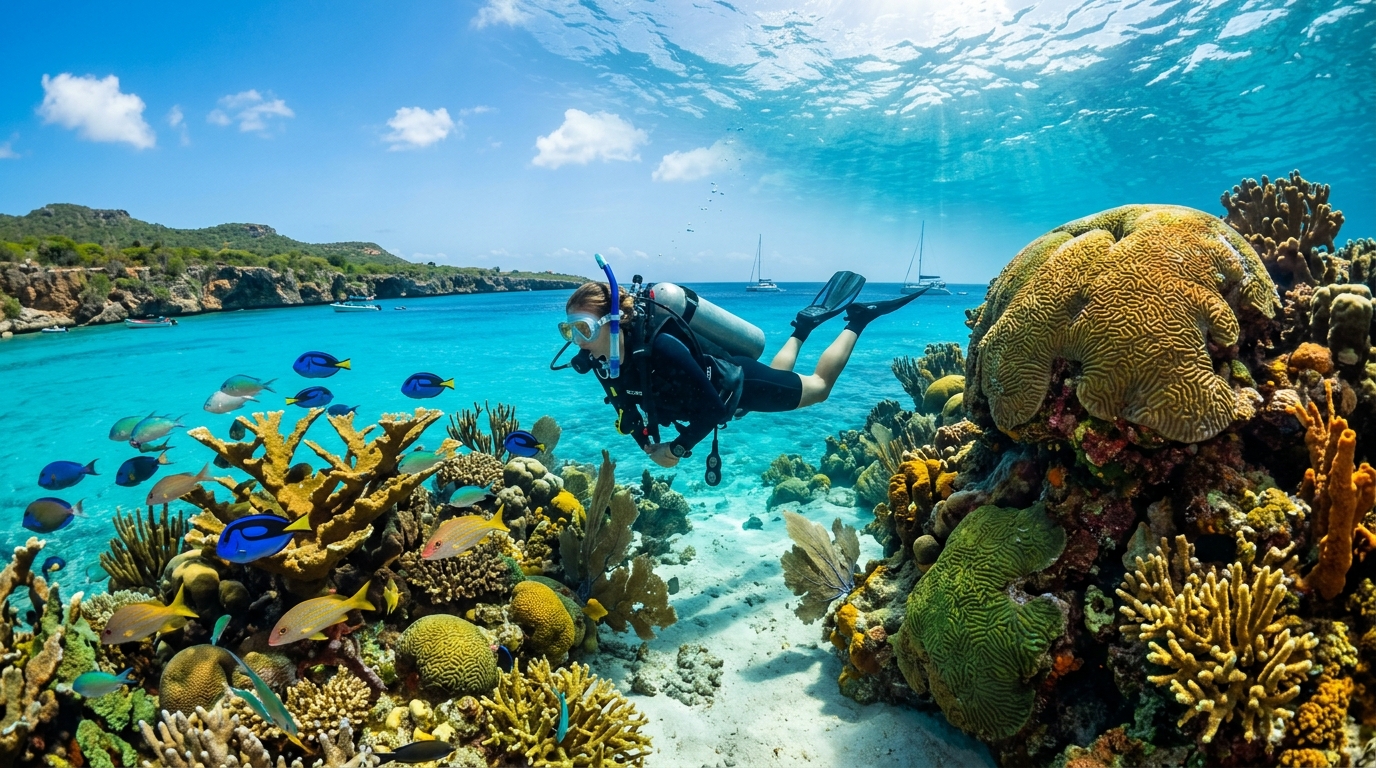
Here's something most diving destinations can't claim: some of Curaçao's absolute best dive sites are accessible right from the beach. No boat fees, no weather delays, no rushed surface intervals. Just park, gear up, and walk into some world-class diving in Curaçao. These shore dive options are what separate this island from your typical Caribbean dive vacation, and they're perfect whether you're staying at a 5-star dive resort or just want the freedom to dive on your own schedule.
Kenepa Kleine (Small Knip)
This isn't just one of the prettiest beaches on the island, it's got some seriously good diving too. The reef starts shallow and drops off gradually, with great coral formations and fish life that rivals many boat-only dive spots. I've seen nurse sharks, stingrays, and some monster-sized parrotfish here. The beach itself is postcard-perfect, so your non-diving companions won't be bored either.
The visibility is consistently excellent, usually 80+ feet, and the entry is easy even with full scuba gear. You can snorkel the shallow sections or take it deeper for a proper dive. The coral health here is impressive, and you'll often see turtle cruising the reef edges. The only downside? This beach gets packed on weekends with locals and tourists alike, so time your dive for early morning or late afternoon to avoid the crowds.
Director's Bay
This is my go-to recommendation for intermediate divers who want to try shore diving but need something more challenging than the typical beginner dive spots around Curaçao. Director's Bay has a healthy reef system with good coral coverage and diverse marine life, plus it's usually much less crowded than the famous sites.
The entry requires a short hike down a rocky path, nothing too crazy, but you'll want to be comfortable carrying your dive gear. Once you're in, the reef extends both left and right, giving you options for multiple dives or different routes depending on conditions and your air consumption. I've spotted turtle here more often than at many of the boat dive sites, and the coral formations create perfect swim-throughs for experienced divers.
When to Dive and What to Expect
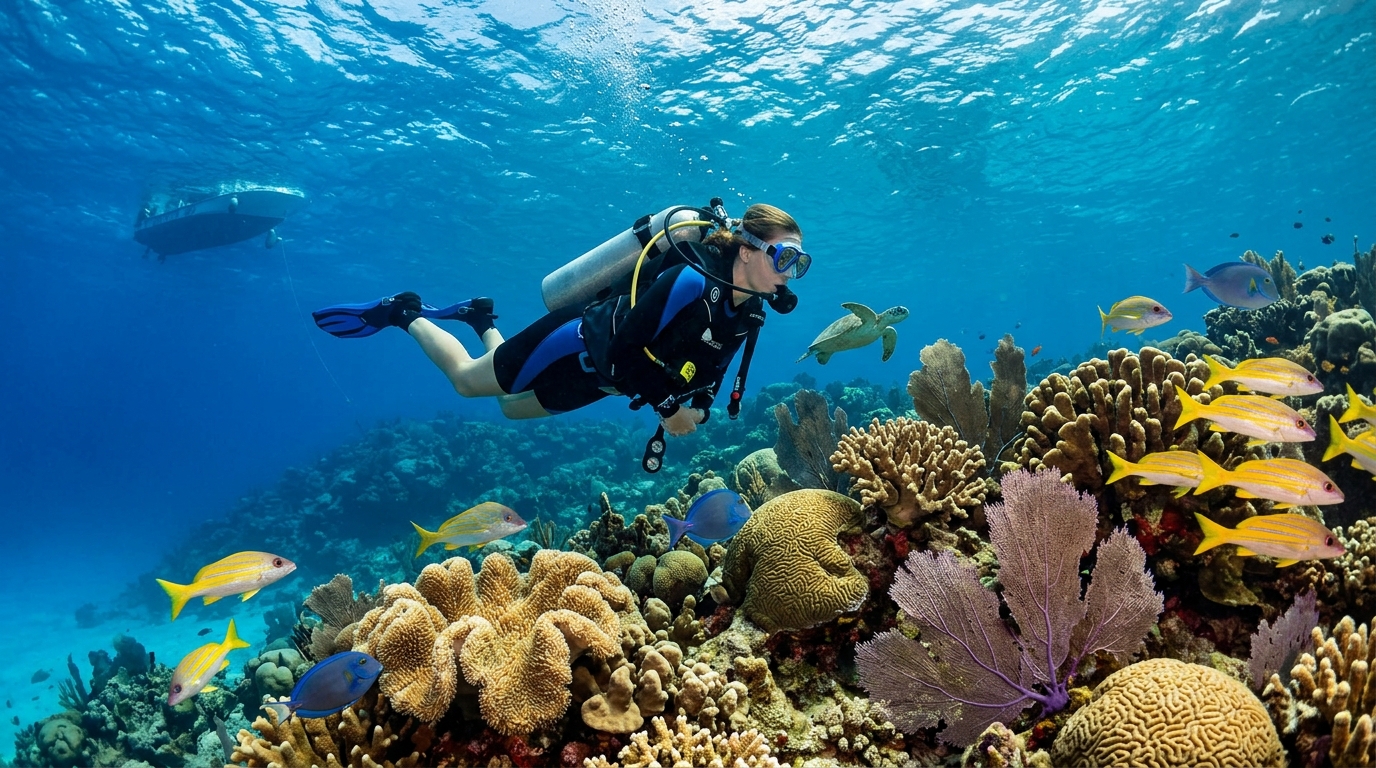
Timing Your CuraCao Diving Adventure
Here's the beautiful thing about scuba diving in Curaçao, there really isn't a bad time to dive here. The island sits outside the hurricane belt, so you don't have to worry about storm seasons wrecking your dive vacation plans. Water temperatures hover between 78-82°F year-round, and visibility rarely drops below 60 feet at the top dive sites in Curaçao.
That said, I've got preferences. December through April gives you the calmest conditions and clearest water, perfect if you're planning to hit the more exposed dive sites like Watamula or planning a sleep and dive package at one of the diving resorts. May through July can bring slightly stronger winds, but that also means fewer crowds and better deals on accommodations and dive packages.
The rainy season (October-December) isn't really a "season" so much as occasional afternoon showers that cool things off. Don't let it scare you away, some of my best diving days have been during light rain when the surface is glass-calm and the dive sites around Curaçao are practically empty. Perfect conditions for both boat dives and shore diving.
Practical Stuff You Actually Need to Know
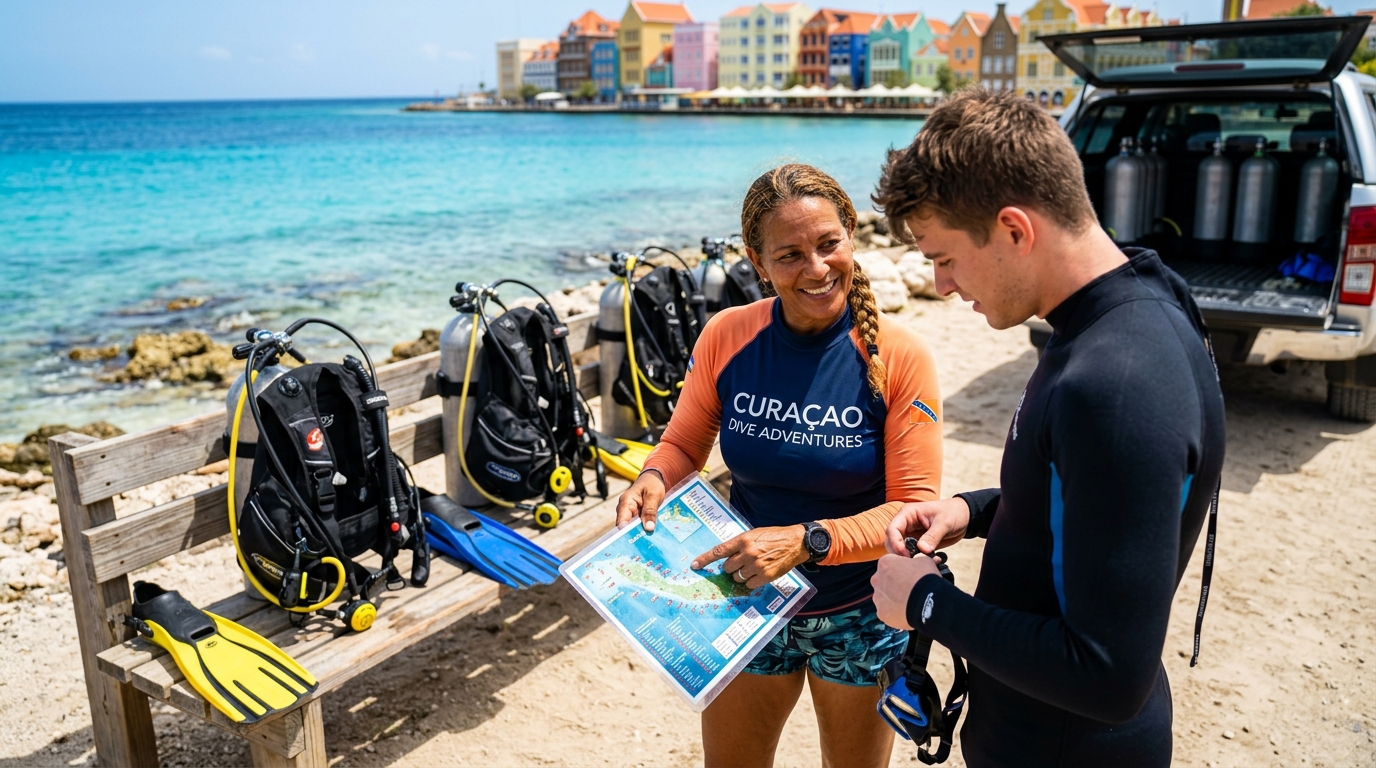
Dive Operators That Don't Suck
I've dived with most of the operators on the island, and honestly, the standard is pretty high across the board. Ocean Encounters gets mentioned a lot in reviews, and they've earned their reputation, solid boats, knowledgeable dive guides, and they know how to get you to the best diving spots efficiently. They're particularly good for accessing the deeper wreck sites and boat-only dive spots that showcase the best diving Curaçao has to offer.
For shore diving, many dive shops offer "dive and drive" packages where they'll set you up with gear and a truck, plus maps to the best shore dive sites around Curaçao. It's a great way to explore at your own pace without being tied to boat schedules. Some of the diving resorts offer these packages as part of their sleep and dive deals, making it easy to hit multiple dive sites in Curaçao during your trip without the constraints of group dive schedules.
Gear and Certification Requirements
Most of Curaçao's top dive sites are accessible to Open Water certified divers, but having Advanced Open Water opens up more options, especially for the deeper wrecks and wall dive sites. A few sites like the Superior Producer really benefit from deep diving and wreck specialty training, any diver serious about wreck diving should consider these certifications before tackling the more challenging dive spots.
The rental gear situation is solid across the island. Most dive shops maintain their equipment well, but I always travel with my own mask and fins because fit matters for comfort and safety. If you're planning a serious dive vacation or staying at a dive resort, bringing your own gear gives you more flexibility for shore diving and helps with that sleep and dive mentality where you can hit the water whenever conditions look good at your favorite dive sites.
Frequently Asked Questions
Is CuraCao good for beginner divers?
Absolutely. Dive sites like the Tugboat and many of the shore dive options are perfect for new divers, shallow, calm, and packed with marine life. The visibility is consistently good, which helps with confidence, and the lack of strong currents at most dive spots means you can focus on building skills rather than fighting water movement. Most dive shops offer excellent training programs, and the coral reefs here are forgiving for new divers still working on their buoyancy. You can snorkel many sites first to get comfortable before doing your first scuba dives.
How does CuraCao scuba diving compare to other Caribbean destinations?
Honestly? It's better than most and costs way less than the "famous" spots. You get Bonaire-quality shore diving with the added bonus of excellent wreck dives and wall diving. The coral health here is better than what I've seen in Jamaica or the Dominican Republic, and you're not dealing with the crowds and inflated prices of places like Cozumel. The dive sites in Curaçao offer more variety than most Caribbean islands, you can literally do wreck diving, reef diving, and shore diving all in the same day. Plus, diving resorts here offer better value than comparable Caribbean destinations.
Can I do multiple dives per day without a boat?
This is where diving in Curaçao really shines for any diver who wants flexibility. With dozens of quality shore dive spots, you can easily plan 2-3 dives a day just by driving to different beaches. I've done 4-dive days hitting Tugboat in the morning, Director's Bay for a noon dive, Small Knip in the afternoon, and a night dive back at Tugboat. Try doing that in most Caribbean destinations without paying boat dive fees all day. It's perfect for the sleep and dive approach where you maximize your underwater time at multiple dive sites around Curaçao.
What's the deal with Curaçao's coral health?
It's surprisingly good compared to much of the Caribbean. The island's position outside major shipping lanes and the lack of massive tourism development has kept reef systems relatively pristine. You'll see healthy hard coral formations and thriving reef ecosystems, especially at dive sites like Watamula and Alice in Wonderland, that are becoming rare elsewhere in the region. The coral coverage at many dive spots rivals what I've seen at more protected marine parks, making Curaçao scuba diving a standout experience for reef enthusiasts.
Should I bring my own gear or rent locally?
For mask, fins, and snorkel gear, definitely bring your own if you dive regularly, comfort matters too much to compromise, especially if you're planning to hit multiple dive sites around Curaçao. For everything else, the rental quality at established dive shops is good enough that you won't be disappointed. BCDs and regulators are well-maintained, and it saves you the airline hassles and extra baggage fees. Plus, most diving resorts and dive operators have relationships with local dive shops for equipment rentals, so you can often get package deals that include gear with your dive vacation. Ocean Encounters and other top operators maintain excellent rental fleets for visiting divers.
Share this Rant:
Frequently Asked Questions
Is Curaçao good for beginner divers?
Absolutely. Dive sites like the Tugboat and many of the shore dive options are perfect for new divers — shallow, calm, and packed with marine life. The visibility is consistently good, which helps with confidence, and the lack of strong currents at most dive spots means you can focus on building skills rather than fighting water movement. Most dive shops offer excellent training programs, and the coral reefs here are forgiving for new divers still working on their buoyancy. You can snorkel many sites first to get comfortable before doing your first scuba dives.
How does Curaçao scuba diving compare to other Caribbean destinations?
Honestly? It's better than most and costs way less than the "famous" spots. You get Bonaire-quality shore diving with the added bonus of excellent wreck dives and wall diving. The coral health here is better than what I've seen in Jamaica or the Dominican Republic, and you're not dealing with the crowds and inflated prices of places like Cozumel. The dive sites in Curaçao offer more variety than most Caribbean islands — you can literally do wreck diving, reef diving, and shore diving all in the same day. Plus, diving resorts here offer better value than comparable Caribbean destinations.
Can I do multiple dives per day without a boat?
This is where diving in Curaçao really shines for any diver who wants flexibility. With dozens of quality shore dive spots, you can easily plan 2-3 dives a day just by driving to different beaches. I've done 4-dive days hitting Tugboat in the morning, Director's Bay for a noon dive, Small Knip in the afternoon, and a night dive back at Tugboat. Try doing that in most Caribbean destinations without paying boat dive fees all day. It's perfect for the sleep and dive approach where you maximize your underwater time at multiple dive sites around Curaçao.
What's the deal with Curaçao's coral health?
It's surprisingly good compared to much of the Caribbean. The island's position outside major shipping lanes and the lack of massive tourism development has kept reef systems relatively pristine. You'll see healthy hard coral formations and thriving reef ecosystems, especially at dive sites like Watamula and Alice in Wonderland, that are becoming rare elsewhere in the region. The coral coverage at many dive spots rivals what I've seen at more protected marine parks, making Curaçao scuba diving a standout experience for reef enthusiasts.
Should I bring my own gear or rent locally?
For mask, fins, and snorkel gear, definitely bring your own if you dive regularly — comfort matters too much to compromise, especially if you're planning to hit multiple dive sites around Curaçao. For everything else, the rental quality at established dive shops is good enough that you won't be disappointed. BCDs and regulators are well-maintained, and it saves you the airline hassles and extra baggage fees. Plus, most diving resorts and dive operators have relationships with local dive shops for equipment rentals, so you can often get package deals that include gear with your dive vacation. Ocean Encounters and other top operators maintain excellent rental fleets for visiting divers.
Comments (0)
No comments yet. Be the first to complain.