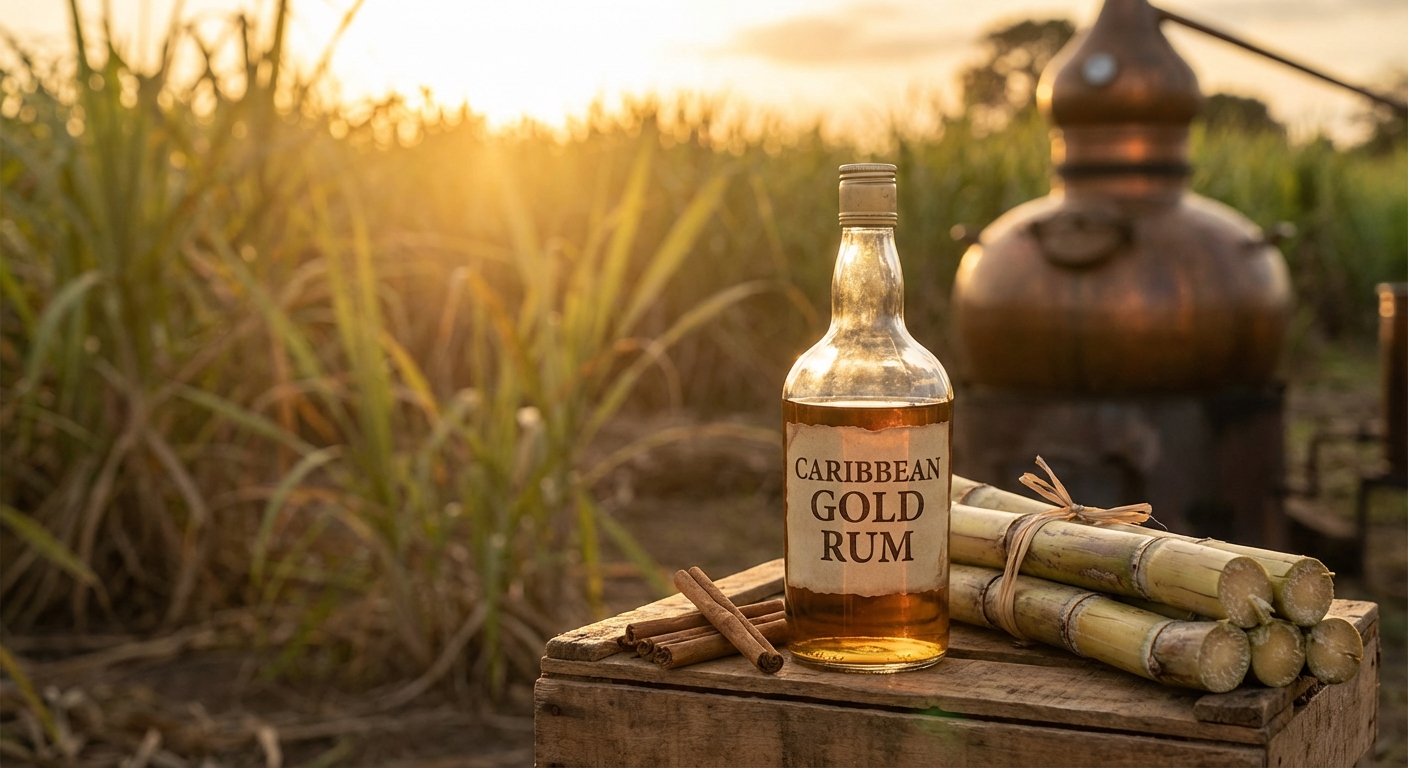
Best Caribbean Rum: A Real Guide to the Good Stuff
Caribbean rum isn't just a vacation drink. It's history, identity, and a craft that's been evolving for centuries. From funky pot-still Jamaican rums to elegant agricole from Martinique, this is a spirit with serious range.
Quick Answer
Caribbean rum is distilled from either molasses or fresh sugarcane juice, and the raw material, still type, and aging all shape the final rum style. Jamaica leans funky and pot-still, Barbados leans balanced and oak-aged, and Martinique's agricole rum is dry, grassy, and made under strict AOC rules. That range across a relatively small region is what makes Caribbean rum distinct from rum made anywhere else.
Key Takeaways
- Rum starts from one of two raw materials: molasses (most common) or fresh sugar cane juice, which is what agricole rum uses.
- Barbados is home to Mount Gay, widely considered the world's oldest rum distillery, founded in 1703.
- Jamaican rum is distilled in copper pot stills and known for a funky, fruit-forward character called hogo.
- Martinique's agricole rum carries an AOC designation, the same quality system used for French wine.
- White rum works best in cocktails, while aged and spiced rums are better suited to sipping neat or on the rocks.
If you're only drinking rum in a frozen cocktail with a paper umbrella, you're missing the point.
Whether you're a rum enthusiast or just someone who wants to bring home a bottle that doesn't taste like regret, this is your real guide to Caribbean rum, what to know, where to find it, and how to actually enjoy it.
Why the Caribbean Is the Heart of Rum Culture
The Birthplace of Caribbean Spirits
The Caribbean isn't just a place where rum is made. It's where rum became rum. Barbados in particular is often called the birthplace of rum, and the region's sugarcane plantations sparked the invention of the spirit. Over time, every island developed its own unique rum style and approach to rum production.
Today, you'll find more than 13 sovereign island nations and many dependent territories in the Caribbean, all producing some of the finest rums in the world, each reflecting its own terroir and culture.
Rum Is Made from Sugarcane, But Not All Rum Is Equal
The two main sources of rum are:
Molasses-based rum: Made from the byproduct of sugar production. It's the most common and includes everything from light white rums to dark, rich aged rums.
Agricole rum: Distilled from fresh sugarcane juice, often more aromatic, grassy, and sharp in flavor. Most famously made in Martinique.
From Fermentation to Barrel: How Rum Is Actually Made
Whichever raw material a distillery starts with, the basic process is the same. Fermentation turns the sugars into alcohol, then distillation concentrates it into a clear spirit. Many Jamaican producers still favor pot stills, which work in batches and preserve more of the raw material's character, while column stills run continuously and produce a lighter, cleaner spirit, the approach favored in Puerto Rico and much of the Dominican Republic. Some distilleries run pot and column stills side by side to build different expressions. Once distilled, any rum destined for aging goes into oak barrels, often ones that previously held bourbon, where it picks up color, spice, and vanilla over years before it's bottled.
Rum Styles You'll Find Across the Caribbean
Molasses-Based vs. Agricole Rum
Molasses-based rums dominate the world of Caribbean rum, sweet, dark, and full of spice and caramel notes. But agricole rum is a whole other experience, offering a dry, vegetal profile that's less sweet and more layered.
Aged, White, and Spiced, What Rum Styles Say About Terroir
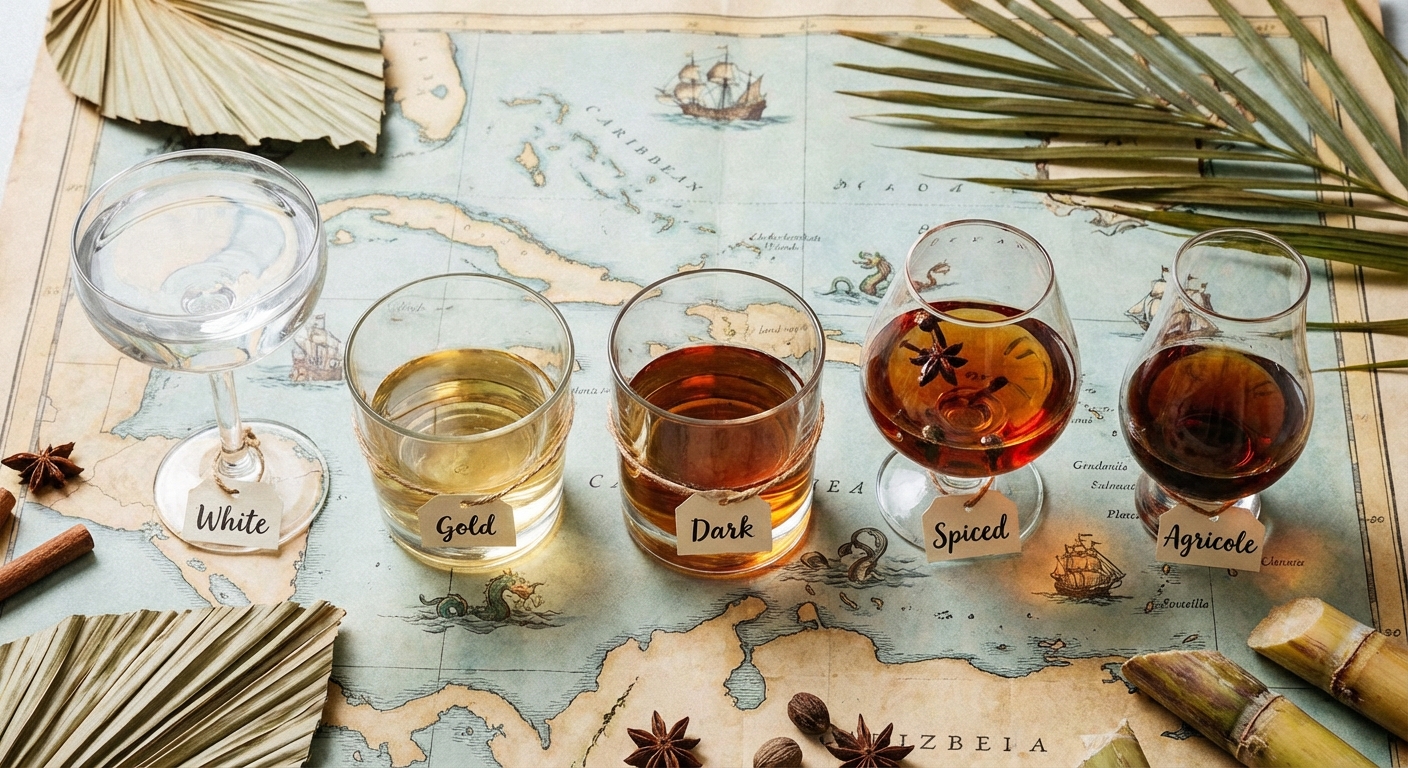
White rum is typically unaged and perfect for cocktails like mojitos or daiquiris.
Aged rum (often matured in oak barrels) brings deep vanilla, spice, and wood notes, it's what you want to sip neat.
Spiced rum is flavored with spices such as cinnamon, clove, and nutmeg, popular for mixing or sipping on the rocks.
| Style | Where | Tastes like |
|---|---|---|
| White rum | Widely made, especially Puerto Rico and the Dominican Republic | Clean, light, mild sweetness, mostly there to carry a cocktail |
| Gold rum | Common across the Caribbean island chain | Light caramel and toasted sugar, a step up from white rum |
| Dark or aged rum | Barbados, Jamaica, Dominican Republic | Molasses, vanilla, oak, and spice, built for sipping neat |
| Spiced rum | Made across many islands and brands | Cinnamon, clove, and nutmeg layered over a rum base |
| Agricole rum | Martinique and Guadeloupe | Grassy, dry, and vegetal, closer to a dry wine than a sweet spirit |
Choosing Caribbean Rum That Matches Your Taste
You want smooth and balanced? Go for aged rum from Barbados or the Dominican Republic.
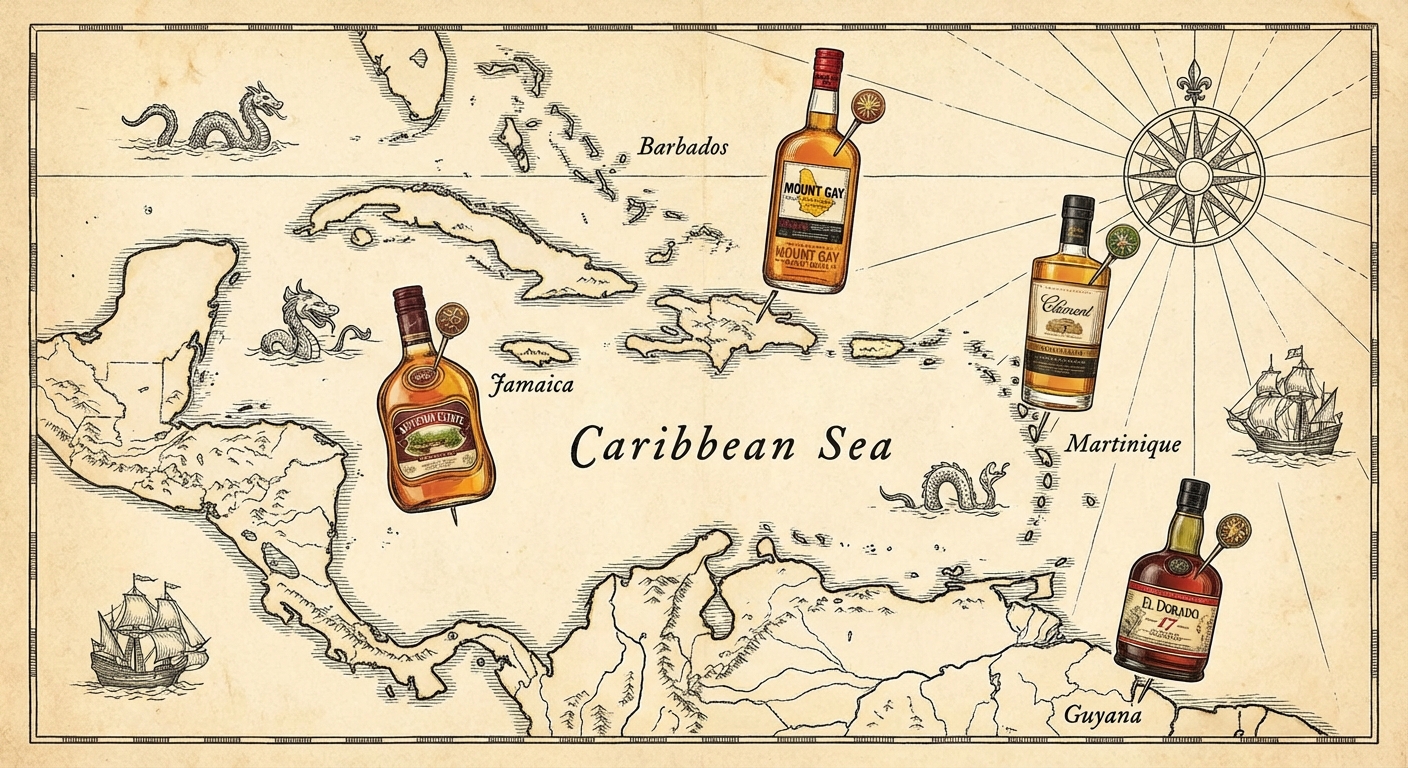 Want bold and funky? Jamaica is your spot.
Love dry and complex? Explore Martinique's agricole styles. If you'd rather have something light and mixable for a beach cooler, Puerto Rico's column-still rums, the same lineage that shaped early Bacardi before the brand moved production off the island, are built for exactly that.
Mount Gay and the Legacy of Rum in Barbados
Why Mount Gay Still Defines the Best Caribbean Rum
Mount Gay isn't just a brand, it's a cornerstone of rum history. Founded in 1703, it's the oldest rum distillery in the world, and it's still making some of the best Caribbean aged rums on the market.
Oldest Distilleries and the Role of Oak Aging
Barbados rums, especially Mount Gay and Foursquare, are known for:
Balanced flavor profiles
No added sugar
Authentic oak aging
Hints of vanilla, caramel, and spice
This is rum that feels more like a fine bourbon or whiskey than anything you'd dump into a soda.
Tip: Check the label before buying. Some spiced and flavored rums disclose added sugar or coloring, and that will taste noticeably different from a naturally aged rum. If purity matters to you, look for craft distilleries that state no additives on the bottle.
Jamaica, Bold Rum with Funk and Fire
Pot-Still Power and Rum Brands to Watch
Jamaican rums are loud. They're distilled in copper pot stills, which give them a distinctive "funk" known as hogo, an aromatic, overripe fruit character that rum lovers can't get enough of.
Brands to try:
Appleton Estate
Wray & Nephew
Hampden Estate
Rum Punch and Cocktails with Big Personality
Jamaican rum is perfect for bold cocktails and punch recipes that highlight rich flavors, spices such as cinnamon, and tropical fruit on the nose. If you're sipping something with jerk chicken at a beach shack, make sure it includes Jamaican rum.
Martinique, The Art of Agricole Rum
Terroir, Volcanic Soils, and Sugarcane Juice
Martinique is to rum what France is to wine. It has an AOC designation (Appellation d'Origine Contrôlée), just like Champagne or Bordeaux. That means strict rules on how its rums are made, right down to the volcanic soils of Martinique.
The AOC System and Why It Matters
Martinique's agricole rums are:
Distilled from sugar cane juice
Often aged in oak barrels
Grassy, dry, and aromatic
Considered some of the most premium rums in the world
If you like dry wine, you'll probably enjoy agricole rum neat or in premium cocktails.
How to Enjoy Caribbean Rum Like a Local
Sipping Neat, Classic Cocktails, and the Best Rum Punch Recipes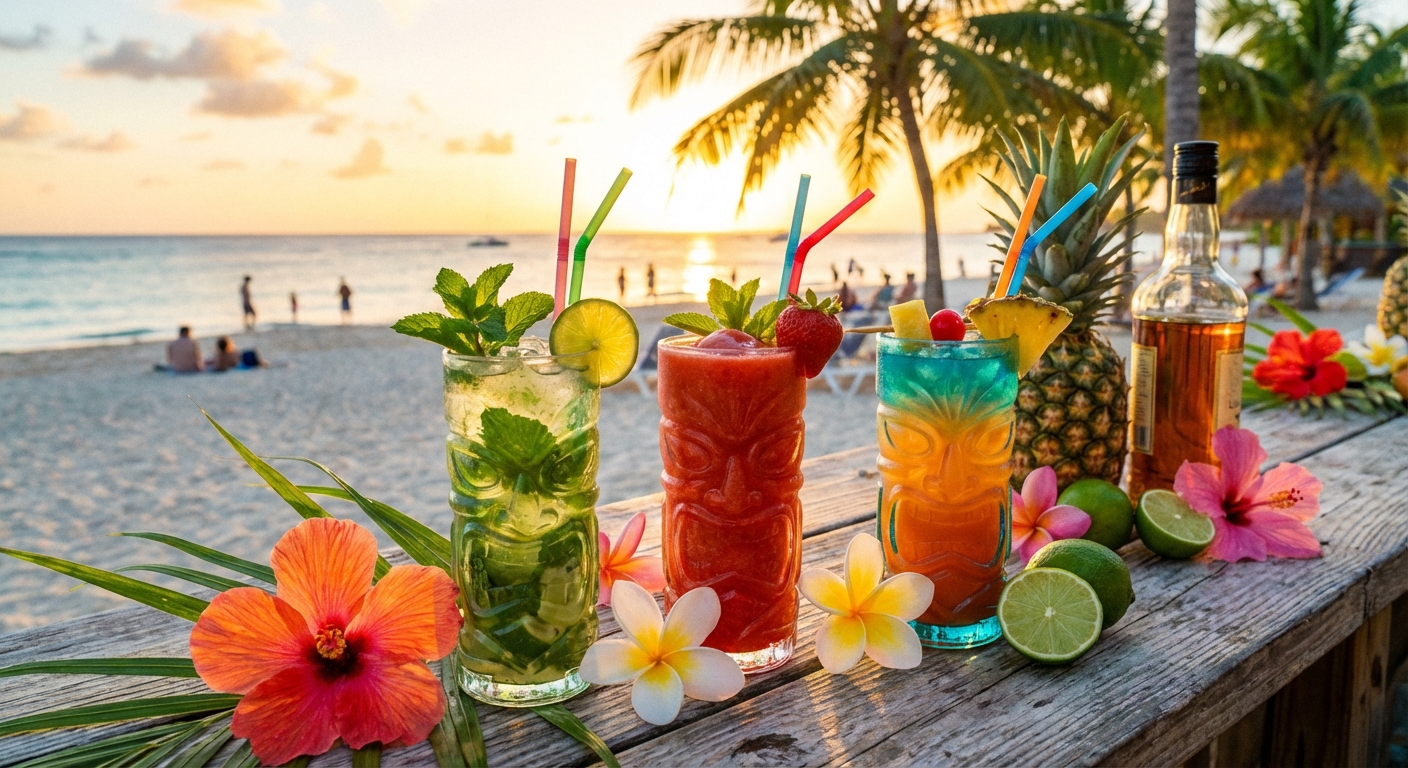
The best Caribbean rum isn't made to be drowned in soda. Try sipping aged rum neat, or mixing it into classic Caribbean cocktails like:
Rum punch with nutmeg and lime
Daiquiris (not the frozen kind)
Mojitos with fresh mint
Ti' Punch in Martinique
Tip: Aged Caribbean rum pairs well with grilled jerk chicken, dark chocolate, or just a squeeze of lime. If the rum is good enough to sip neat, you don't need a mixer at all.
From Mojitos to Spiced Mixes, Finding Your Favorite Cocktail
Ask locals how they drink their rum. In some islands, it's all about sipping and talking. In others, it's about rum punches at a food stall or beach bar. Your vibe, your pour.
Rum Brands Worth Seeking Out
Famous Caribbean Rum Brands That Ship Worldwide
Mount Gay, Barbados
Appleton Estate, Jamaica
El Dorado, Guyana (Demerara rum with rich molasses flavors)
Rhum Clément, Martinique
Havana Club, Cuba, the Cuban rum brand most associated with the classic mojito and daiquiri
Angostura, Trinidad and Tobago
Brugal, Dominican Republic
These are some of the finest Caribbean rums, widely available and deeply respected.
Lesser-Known Craft Rums to Try Before Everyone Else
Look out for craft distilleries and unique rum expressions made in small batches. From limited barrel-aged releases to flavored rums infused with tropical fruits, the Caribbean still has a lot to discover.
Bringing Caribbean Rum Home
Tips for Buying, Packing, and Enjoying at Home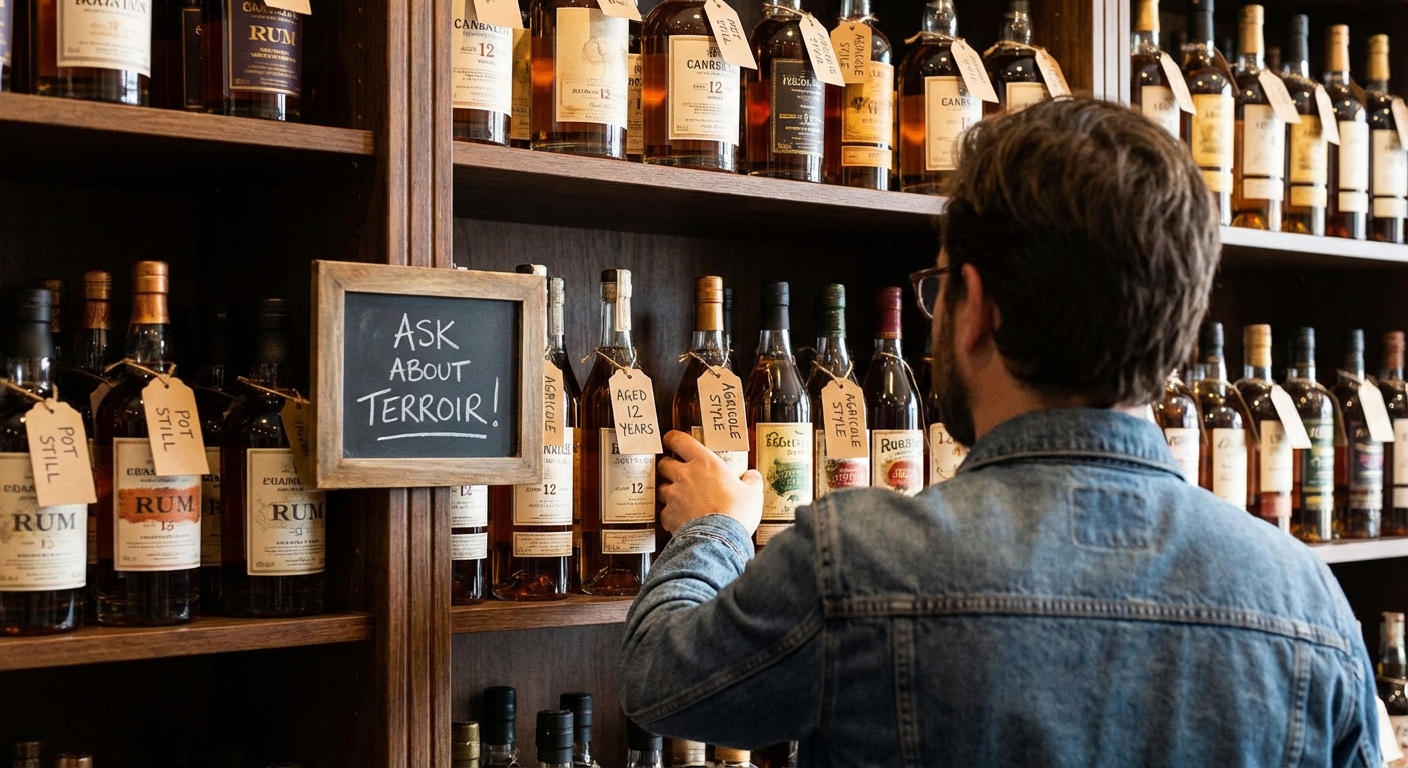
Check your country's alcohol import limits
Wrap bottles in clothing to protect them in transit
Avoid rums with added sugar if you're a purist
Store bottles upright and away from sunlight
The Difference Between Sipping and Mixing Rums
If it says "premium" on the label, don't dump it into cola. Rums aged for a minimum of 5 years are usually better enjoyed slowly.
Final Word: The Real Flavor of the Caribbean
Caribbean rum isn't about gimmicks or mixers, it's about culture, terroir, and craft. Whether you're sipping an aged stunner from Barbados or enjoying a pot-still punch on a beach in Jamaica, the right rum brings you closer to the island itself.
Choose Caribbean rum with intention. Ask locals what they drink. Try different rum styles. And maybe leave the umbrella behind.
Share this Rant:
Frequently Asked Questions
What is Caribbean rum made from?
Caribbean rum is typically made from either molasses (a byproduct of sugar production) or fresh sugarcane juice, especially in regions like Martinique where agricole rums are popular. The raw material used has a big influence on the final flavor.
What's the difference between white, gold, and dark rum?
White rum is light, often used in cocktails like mojitos or daiquiris, and is usually filtered to remove color. Gold rum has been aged slightly, giving it a richer color and flavor. Dark rum is aged longer and often has deeper notes of molasses, spice, and oak.
Which Caribbean island makes the best rum?
That depends on your taste. Barbados (home of Mount Gay, the world's oldest rum distillery), Jamaica, and Martinique are all famous for their unique rum styles and flavors. Each island offers a different terroir and rum-making tradition, plus the Dominican Republic and Cuba have strong claims of their own.
Is Caribbean rum only for cocktails?
Not at all. While rum punch and mojitos are classic, many premium rums are meant to be enjoyed neat, just like a fine whiskey. Look for aged rums with notes of vanilla, oak, or fruit on the nose for sipping.
What makes Caribbean rum unique compared to others?
The climate, soil, and centuries-old distilling methods give Caribbean rum its distinct flavor. The volcanic soils of Martinique, the rich sugarcane in Jamaica, and copper pot stills in Barbados all contribute to the world of Caribbean rum in their own special way.
Is there added sugar in Caribbean rum?
Some brands do add sugar after distillation for smoothness or sweetness. Craft distilleries and premium rums often avoid this, letting the aging process and natural ingredients do the work. Check the label if you're watching sugar content.
What's the best way to start exploring Caribbean rum?
Start with a tasting flight from different islands to explore the variety in rum styles. Try an agricole rum from Martinique, a pot-still punch from Jamaica, and an aged rum from Barbados. Whether you're a rum enthusiast or just getting started, there's always something new to enjoy neat or in premium cocktails.
Comments (0)
No comments yet. Be the first to complain.