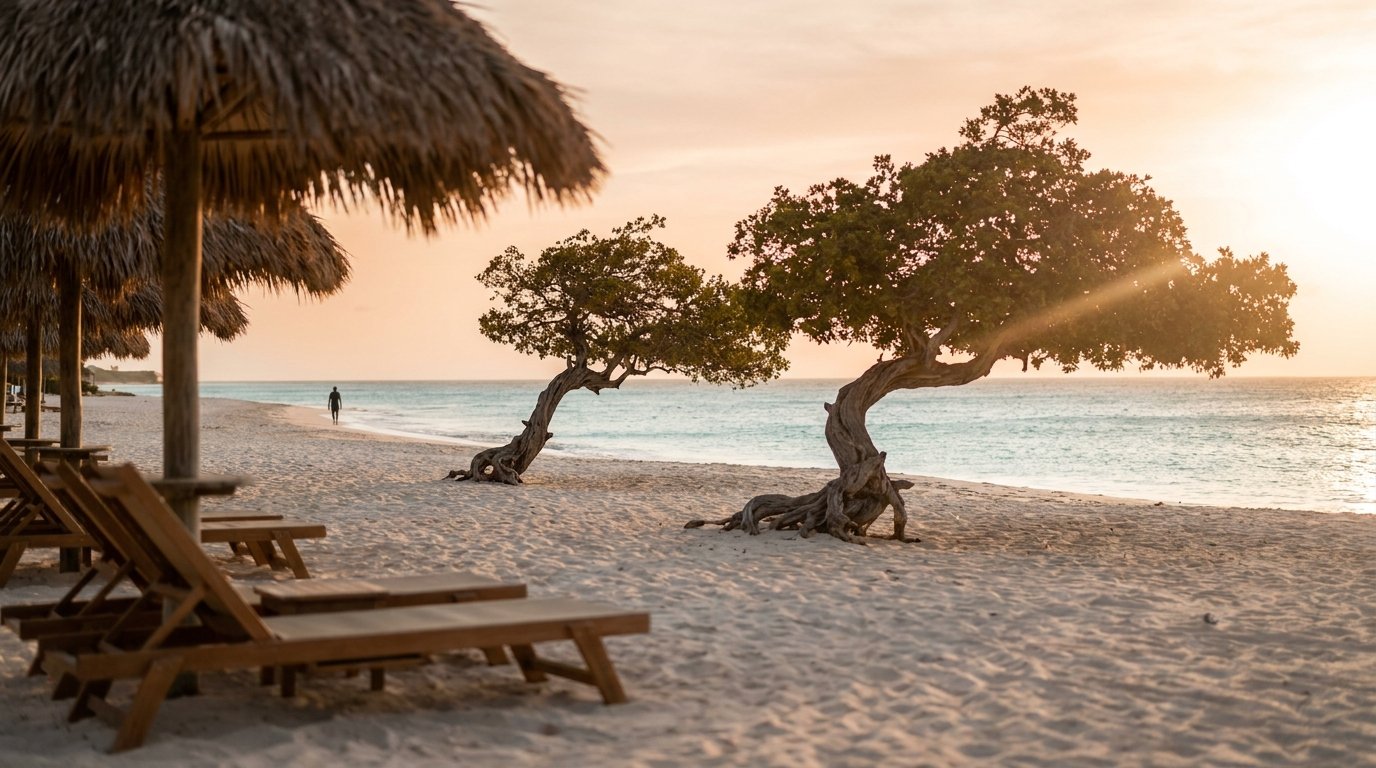
Is Aruba Safe? Honest Advice on Safety, Security, and What to Know Before You Visit
If you're typing "is Aruba safe" into a search bar before you book, here's the direct answer: yes, Aruba is generally considered one of the safest islands in the Caribbean, and violent crime aimed at tourists is rare. That doesn't mean nothing ever goes wrong. Petty theft, break-ins into parked rental cars, and the occasional scam near busy tourist areas are the real, documented risks worth understanding before you land.
Aruba sits about 18 miles north of Venezuela, outside the main hurricane belt that hits islands farther north. It's a constituent country of the Kingdom of the Netherlands, so Dutch is an official language alongside Papiamento and English, and the U.S. dollar works almost everywhere alongside the Aruban florin.
Quick Answer
Yes, Aruba is generally considered one of the safest islands in the Caribbean, with violent crime against tourists rare and both the U.S. State Department and Government of Canada placing it in their lowest-risk advisory category. The real risks are petty theft, rental car break-ins, and occasional scams near tourist areas, not violence. Stick to designated swimming areas, agree on taxi fares upfront, and keep valuables out of sight in your rental car, and Aruba delivers a low-drama, easy Caribbean vacation.
Key Takeaways
- Aruba ranks among the Caribbean's safest islands, and violent crime against tourists is rare
- The real risks are petty theft, rental car break-ins, and scams, not violence
- Stick to Eagle Beach and Palm Beach for swimming; the northeast coast has dangerous currents
- Aruba sits outside the main hurricane belt, though storms during the June-November season still bring swell
- Tap water is safe to drink, and Dr. Horacio Oduber Hospital handles serious medical cases
So, Is Aruba Safe? What the Advisories and Crime Data Say
The U.S. State Department and the Government of Canada both typically place Aruba in their lowest-risk advisory category, similar to a routine domestic trip. That puts Aruba's rating below several other islands in the Caribbean and helps explain its reputation as a low-drama getaway rather than an adventure destination.
Homicide and armed robbery figures on Aruba are low compared to some regional neighbors, and violent crime against visitors is uncommon enough to make local news when it happens. According to recent visitor reports and travel forums, the more realistic risk is property crime: theft from cars, hotel rooms, and bags left unattended on the beach.
The Real Risks: Petty Theft, Rental Car Break-Ins, and Scams
Petty theft, not violent crime, is the complaint that shows up most often in traveler reviews and consular guidance for Aruba. Wallets, phones, and cameras go missing from beach chairs and parked cars more often than anyone would like.
Renting a Car in Aruba
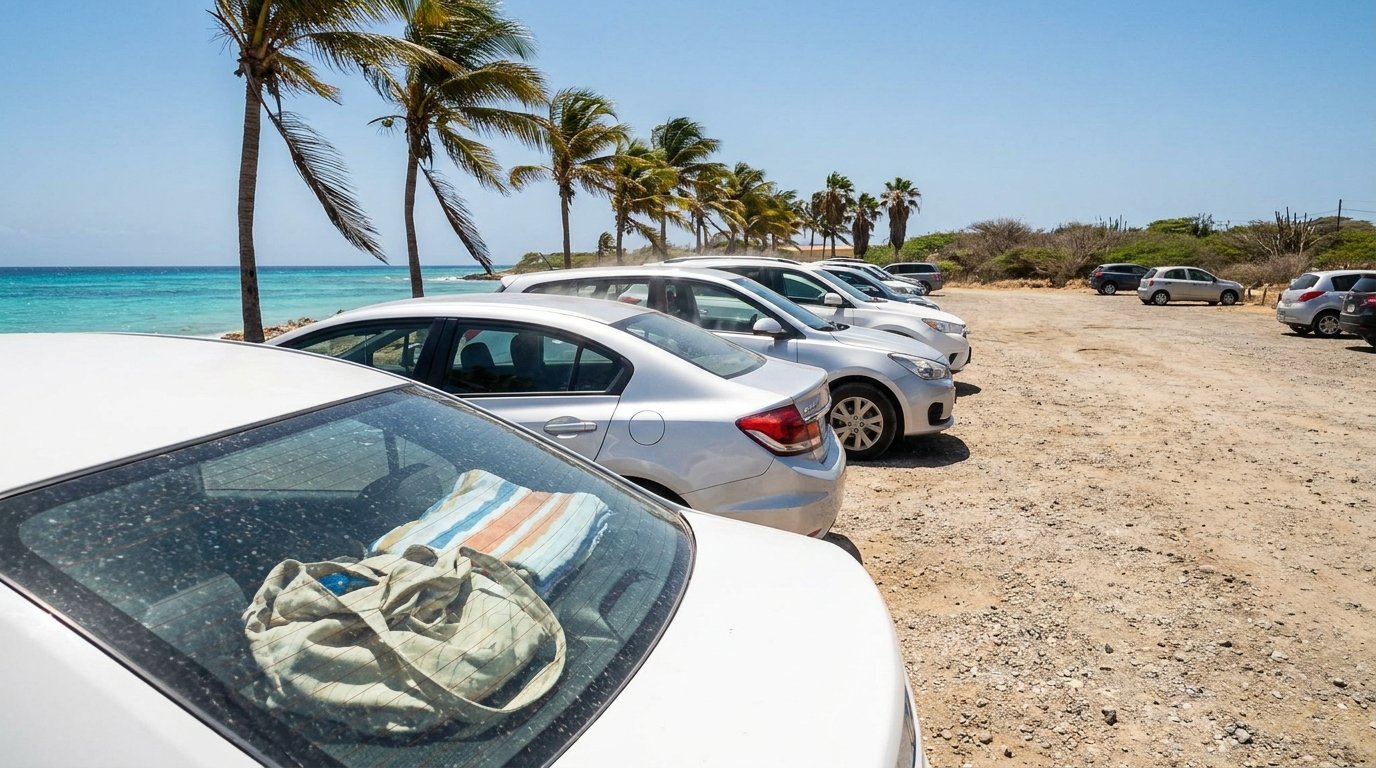
Most visitors rent a car, since public transport is limited, and several advisories specifically flag rental car break-ins in beach and attraction parking lots as one of the more common issues on the island.
Tip: Don't leave bags visible through the windows, even for a quick stop.
Taxis and Fares
Aruba's taxis don't run on a meter. Licensed taxis work off a fixed government rate card by zone. It's less a safety issue than a way to avoid an argument over a few dollars.
Tip: Agree on a fare with your driver before the car pulls away rather than sorting it out on arrival.
 Water Safety and Natural Disasters
Strong Currents and Where to Swim
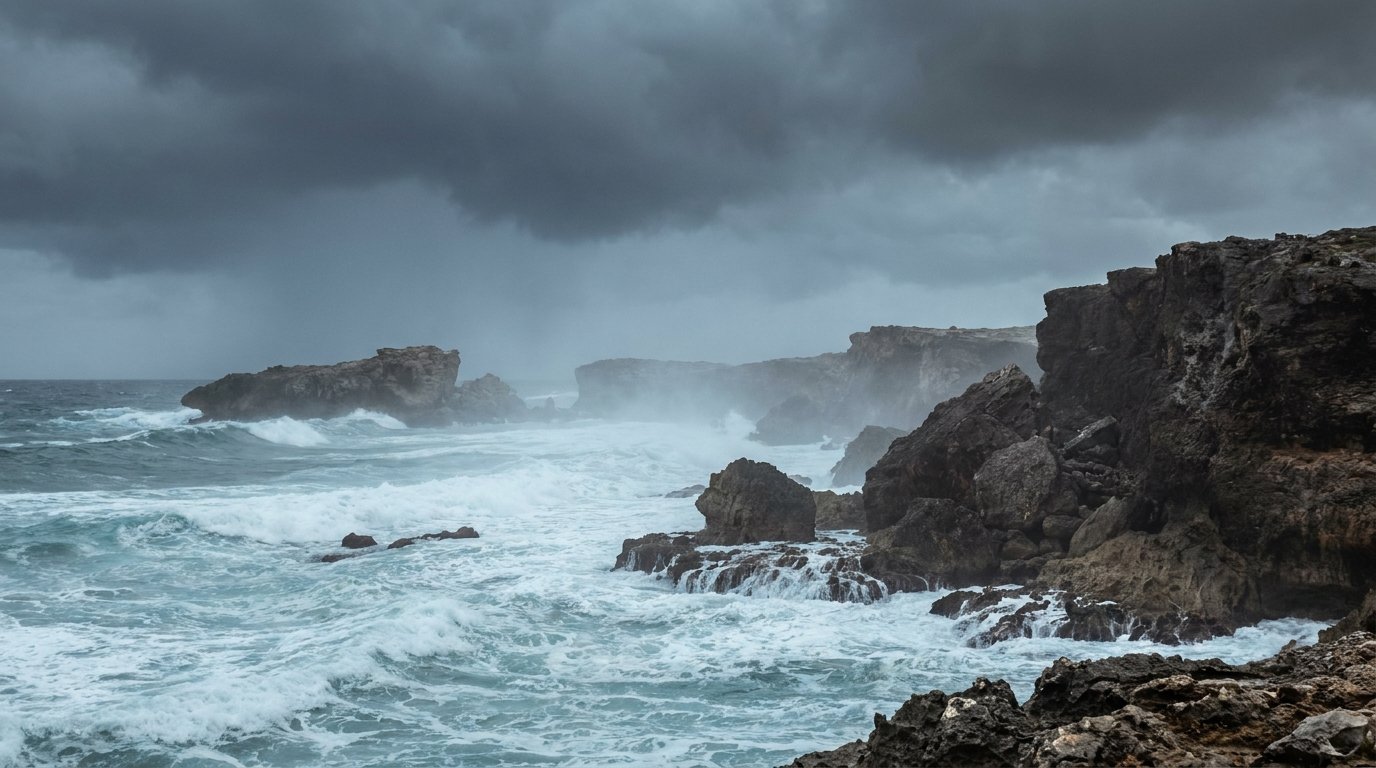
The calm, shallow water at Eagle Beach and Palm Beach is genuinely different from the rockier northeast coast, where strong currents have led to drowning incidents most years. If you're not a confident ocean swimmer, stick to designated swimming areas on the leeward side and treat the north coast as a photo stop, not a swim spot.
Hurricanes, Storms, and Aruba's Location
Sitting outside the main hurricane belt is one of Aruba's biggest advantages, and direct hits are rare. The island still isn't entirely exempt from tropical storms or heavy swell from distant systems during hurricane season, which runs from June through November.
 Health Precautions: Mosquitoes, Tap Water, and Medical Care
Tap water in Aruba is desalinated and safe to drink, which isn't true on every Caribbean island, so bottled water isn't a must here. Medical facilities are reasonably good for the region, with Dr. Horacio Oduber Hospital in Oranjestad handling most serious cases.
Mosquito-borne illnesses like dengue and Zika virus have occurred in the wider Caribbean, including occasional cases linked to Aruba, so packing repellent is a reasonable precaution. If you're pregnant, check current CDC or public health guidance on Zika before finalizing your itinerary, since recommendations shift over time.
Where to Stay in Aruba If Safety Is a Priority
Most visitors base themselves in Noord, home to the Palm Beach and Eagle Beach resort strip, which is well lit, heavily trafficked, and built almost entirely around tourism, whether you book a large resort or a smaller boutique hotel. Oranjestad, the capital, is walkable by day but quieter once the shops close.
San Nicolas, Aruba's second city, has a grittier, more local feel and is worth a visit for its murals and food, though few travelers base themselves there overnight. As anywhere, walking alone after dark down unfamiliar streets isn't the best idea.
 The Downsides of Aruba That Have Nothing to Do With Safety
Safety isn't really where Aruba struggles. The honest downsides, based on what recurs in traveler complaints, are different:
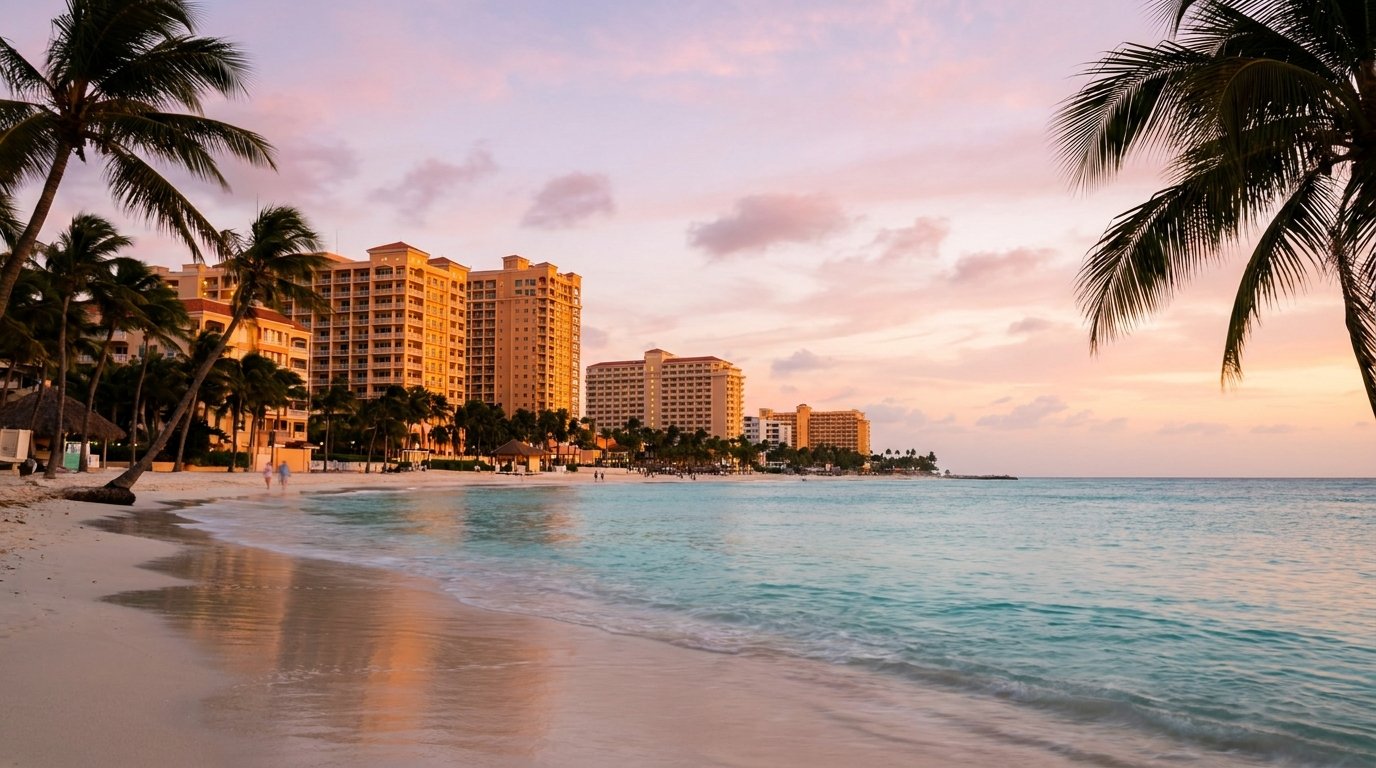
- Resort and restaurant prices along the Palm Beach strip run noticeably higher than on many other islands
- Tourist areas can feel heavily built up and geared almost entirely toward American visitors
- The island is small, flat, and dry, so lush rainforest scenery isn't the appeal here
- Nightlife outside the casinos and resort bars is fairly limited
Passport, Entry Requirements, and Travel Insurance
U.S. citizens need a valid passport to enter Aruba; a driver's license won't work, even on a short flight from Florida. Entry requirements have included proof of onward travel at times, so it's worth checking current rules before booking your trip.
Travel insurance isn't legally required for most visitors, but between medical costs abroad and the usual uncertainty around cancellations or storms, I'd still buy a policy through a provider like Travel Guard rather than skip it to save a little money.
 Who Aruba Suits, and Who Might Prefer Elsewhere
Aruba makes sense if you want a low-risk, easy Caribbean vacation with reliable weather, solid infrastructure, and beaches you can actually relax on. Its advisory rating and low violent crime numbers put it near the top of the list of safest Caribbean islands.
Against Turks and Caicos, the honest difference is scenery and price rather than safety: Turks and Caicos arguably has more dramatic beaches, while Aruba tends to be more affordable with a wider spread of restaurants. If you want a quiet, undeveloped island feel, though, I'd look elsewhere and treat Aruba as the dependable choice for a stress-free trip.
Share this Rant:
Frequently Asked Questions
Is Aruba safe for Americans to visit?
Yes. The U.S. State Department typically rates Aruba in its lowest-risk advisory tier, and violent crime against tourists is uncommon. Petty theft from cars, hotel rooms, and the beach is the more realistic concern, so keeping valuables out of sight matters more than watching your back.
What are the biggest downsides of Aruba?
Prices along the Palm Beach resort strip run high, the main tourist areas feel heavily built up for American visitors, and the island is dry and flat rather than lush. Nightlife outside casinos and resort bars is also fairly limited.
Which is nicer, Aruba or Turks and Caicos?
It depends on what you're after. Turks and Caicos generally has more dramatic beach scenery, while Aruba is typically more affordable and offers a broader range of restaurants and things to do beyond the sand. Neither is meaningfully less safe than the other for a typical trip.
What's considered the safest Caribbean island to visit?
Aruba consistently ranks among the safest islands in the Caribbean based on advisory ratings and crime data, alongside islands like the Cayman Islands and Bonaire. "Safest" mostly means low violent crime rather than zero risk of petty theft.
What's the weather like in Aruba in August, September, and November?
Aruba sits outside the main hurricane belt, so August and September, peak hurricane season elsewhere, tend to bring warm, dry weather with only occasional distant-storm swell. November is similar: hot, breezy, and comparatively low rainfall compared to islands farther north.
Do I need a passport to visit Aruba, and is travel insurance required?
Yes, U.S. citizens need a valid passport; a driver's license isn't sufficient even for this short a flight. Travel insurance isn't mandatory, but given medical costs abroad and the chance of a cancelled or delayed trip, it's worth buying a policy anyway.
Comments (0)
No comments yet. Be the first to complain.