Best Time to Visit Turks and Caicos: When to Go for Perfect Weather & Fewer Crowds (2025) | CaribVisitor
Skip the tourist traps. Here's when to actually visit Turks and Caicos for the best weather, fewer crowds, and better prices from someone who's been there.
Best Time to Visit Turks and Caicos: When to Go for Perfect Weather & Fewer Crowds (2025)
Look, I'm going to cut through the typical travel blog fluff here. You want to know the best time to visit Turks and Caicos without dealing with cruise ship hordes or paying resort prices that'll make your credit card weep. After visiting the Turks and Caicos Islands more times than I can count (occupational hazard of this job), I've figured out exactly when this Caribbean getaway shines and when you should maybe consider literally anywhere else.
The short answer? December to April is peak season for good reason, but May and November are where the smart money goes. Hurricane season runs June through November, but don't let that scare you off entirely when planning a trip to Turks and Caicos. I've had some of my best trips to the Turks and Caicos during the "risky" months, especially when it comes to finding the perfect beach without the crowds.
Peak Season: December to April
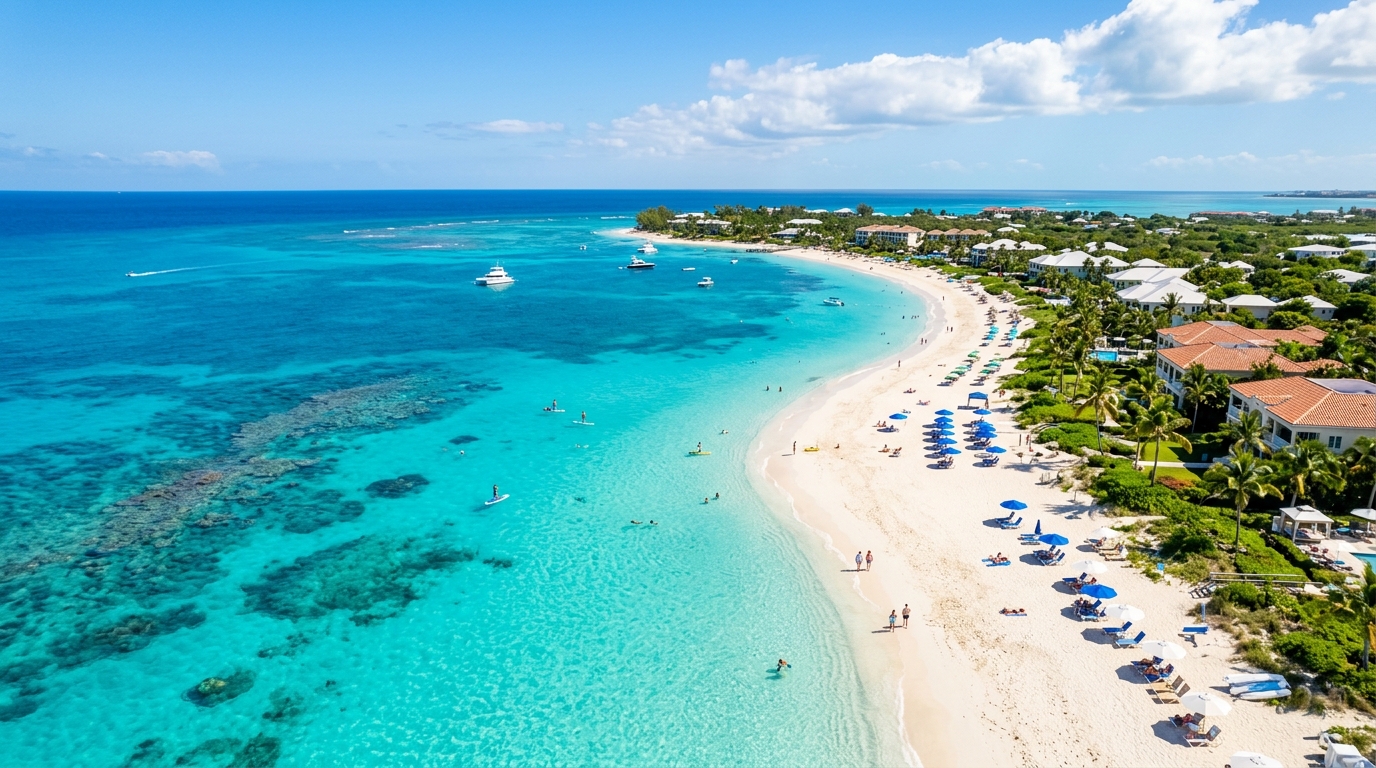
This is high season when everyone and their mother wants to visit the Turks and Caicos. The weather in Turks and Caicos is absolutely perfect during these months, but you'll pay through the nose for everything and share Grace Bay Beach with half of New York. This time of year to visit guarantees sunshine but also guarantees you'll be fighting for that perfect beach photo.
December: Holiday Madness with Perfect Weather
December is when the Turks and Caicos Islands transform into the Caribbean equivalent of Times Square on New Year's Eve. The Turks and Caicos weather is flawless (mid-80s, minimal rainfall, trade winds keeping things comfortable), but good luck getting a decent hotel rate or a quiet spot on the beach during this high season month.
Expect to pay premium prices for everything, and I mean everything. A cocktail that costs $12 in November suddenly becomes $18 in December. The upside? Zero chance of rain ruining your Caicos vacation, and the water temperature is perfect for swimming. Every beach from Grace Bay to Grand Turk will be pristine, just crowded.
Pro tip: If you must visit Turks and Caicos in December, book at least six months ahead or prepare for sticker shock. The week between Christmas and New Year's is particularly brutal on your wallet, whether you're staying at a villa or resort. Vacation rentals book up fast during this peak time to travel.
January-February: The Sweet Spot (If You Don't Mind Crowds)
These are honestly the best weather months when you visit the Turks and Caicos Islands. Temperatures hover in the low-to-mid 80s, humidity is at its lowest, and rainfall is practically nonexistent. The trade winds are consistent, so even when it's sunny, you're not melting into a puddle on the beach.
The downside? This is peak snowbird season and the height of high season pricing. Every resort is packed, restaurants require reservations made weeks in advance, and you'll be sharing snorkeling spots with cruise passengers. But if perfect weather trumps everything else when you plan your trip, this is your window for the ultimate Caribbean getaway.
January is slightly less crowded than February, when Presidents' Day and spring break bring another wave of visitors to every beach and villa on the islands. Water temperatures are around 78-79°F, which might feel a bit cool at first but becomes perfect once you're in.
March-April: Still Expensive but Starting to Calm Down
March sees the beginning of the end for peak season crowds, while April is when things start to get interesting for your Turks and Caicos getaway. Weather in Turks and Caicos remains excellent (mid-80s, minimal rainfall), but you might actually find a decent spot on Grace Bay Beach without hiking to the far ends.
April is when I start recommending this Caribbean destination again to budget-conscious travelers planning a trip to Turks and Caicos. Prices begin dropping in the second half of the month, and the water temperature climbs to a perfect 80-82°F. Spring break crowds thin out after mid-March, making this a solid compromise month of the year for both weather and reasonable vacation rentals.
The only caveat: Easter can mess with your plans if it falls in April. Those weeks see a resurgence in family travel and higher prices for vacation rentals and villa accommodations alike during this otherwise shoulder season period.
Shoulder Season: The Smart Traveler's Secret
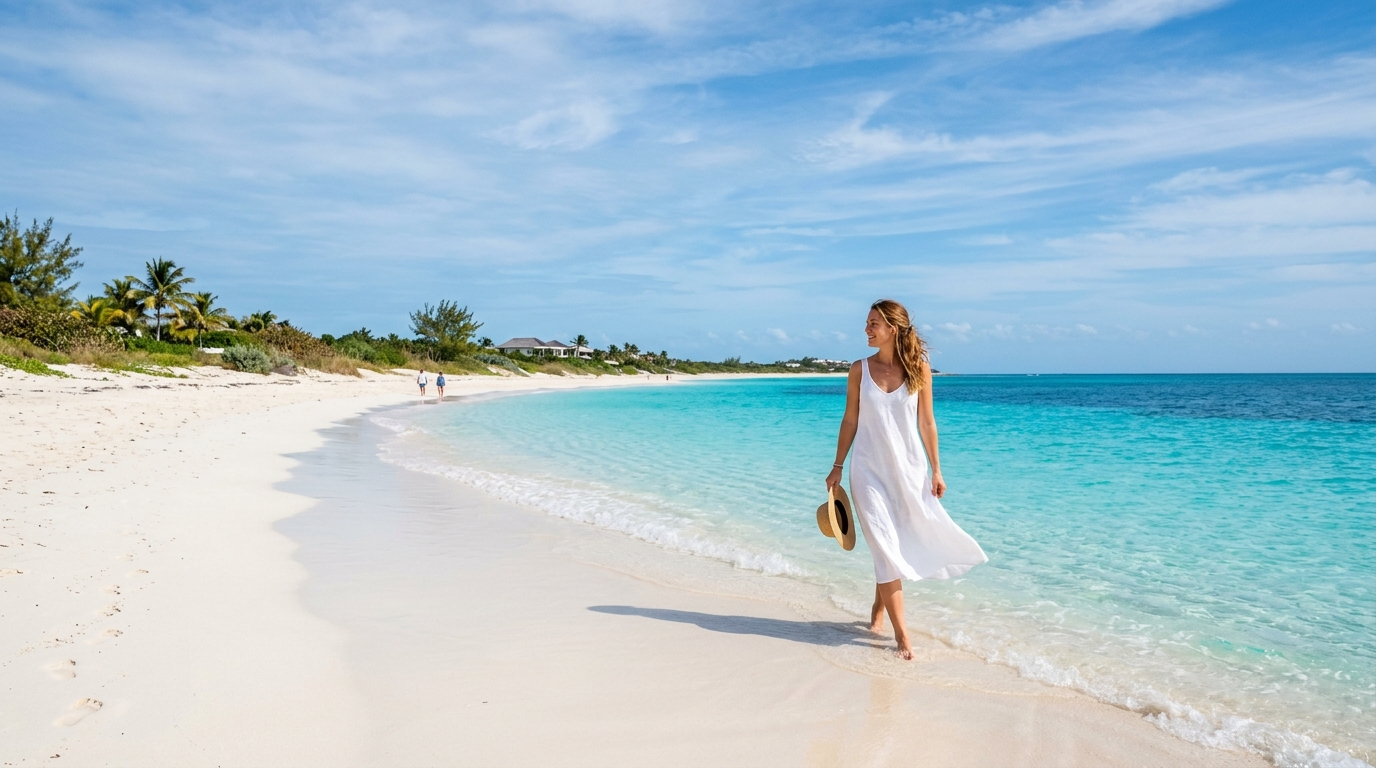
Here's where things get interesting. May and November are the best time of year to visit Turks and Caicos if you want the islands to show their best side without the peak season price tag or crowds. I've had some of my favorite trips during these shoulder season months, when every beach feels like your private paradise and villa rates actually make sense.
May: Perfect Weather, Reasonable Prices
May might be the most underrated time to travel to Turks and Caicos. The weather in Turks is still excellent (mid-to-upper 80s with minimal rainfall), but resort rates drop significantly after the Easter crowds leave. You'll actually be able to get a table at Conch Bar without a reservation, and every beach from Grace Bay to Grand Turk feels manageable again.
Water temperature hits its stride at 82-84°F, perfect for extended swimming and snorkeling sessions. The trade winds are still reliable, keeping the humidity bearable. Rainfall is usually limited to brief afternoon showers that clear up quickly, making this an ideal month of the year for outdoor activities.
This is also when you'll find the best deals on vacation rentals and boutique hotels when planning a trip to Turks and Caicos. Many properties offer shoulder season rates that are 30-40% lower than high season. The only risk? You're technically entering the early edges of hurricane season, though May storms are rare when you visit the Turks and Caicos.
November: Post-Hurricane Season Perfection
November is my personal favorite month of the year for a Turks and Caicos vacation, and here's why: hurricane season is officially over, crowds haven't returned yet, and the weather transitions from hot and humid back to perfect. Early November can still feel a bit muggy, but by mid-month, you're golden for the ultimate Caribbean getaway.
This is when locals emerge from their air-conditioned hibernation and restaurants reopen after hurricane season closures. You'll get a more authentic feel for the Turks and Caicos Islands without the tourist bubble that exists during peak season. Every beach feels like a local secret again, and villa availability opens up significantly.
Temperatures drop back into the comfortable mid-80s, humidity decreases, and afternoon rainfall becomes less frequent. Hotel and vacation rentals rates are still reasonable, and you'll actually be able to enjoy activities like conch bar hopping without fighting crowds when you visit Turks and Caicos during this perfect time to travel.
Hurricane Season: June to October (Proceed with Caution)
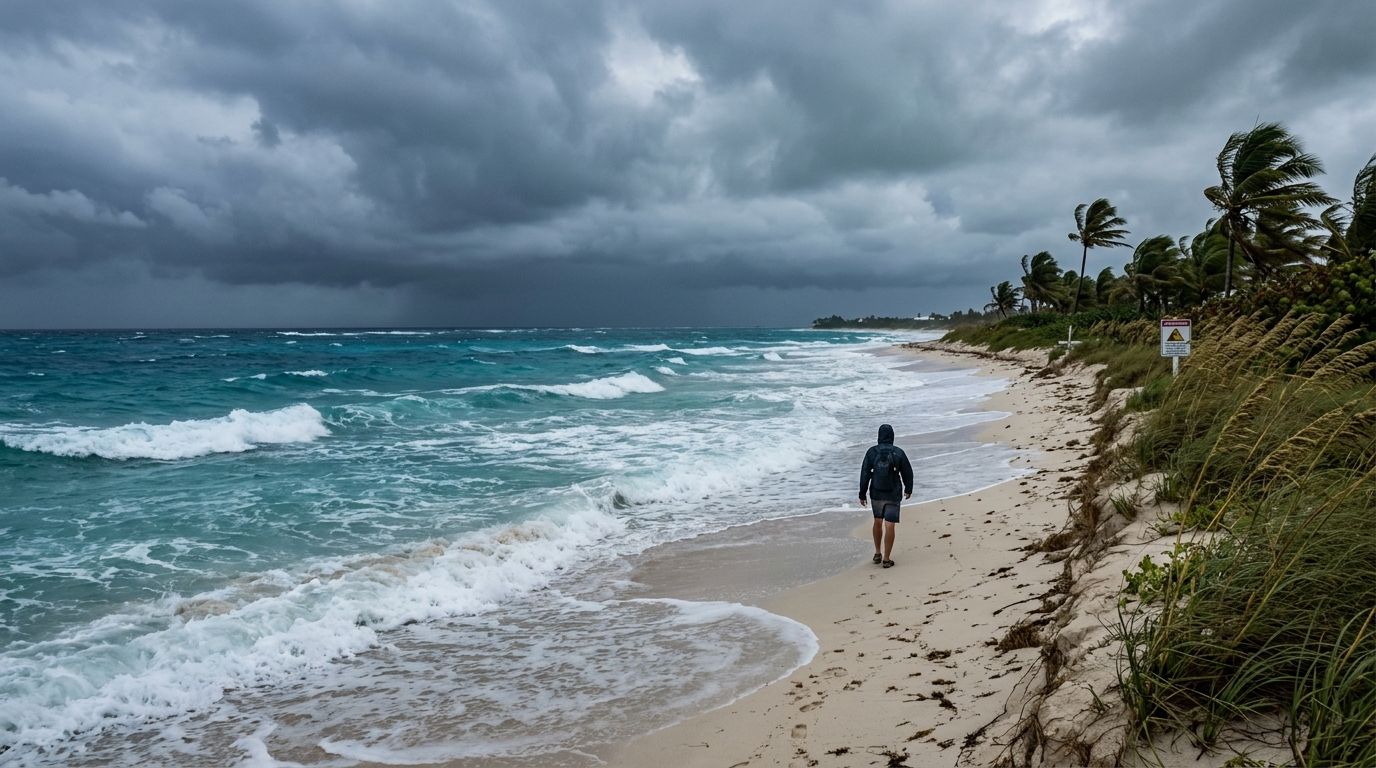
Let me be real with you about hurricane season when planning a trip to Turks and Caicos. Yes, there's hurricane risk. No, it's not an automatic vacation ruiner. I've been to the Turks and Caicos during hurricane season multiple times, and while some trips were amazing, others... let's just say I got very familiar with my hotel room. This low season period can offer incredible deals on villa accommodations and vacation rentals if you're willing to gamble.
June-July: Hot, Humid, but Often Rewarding
These months are hot and sticky (upper 80s to low 90s with high humidity), but they're also when you'll find the steepest discounts and smallest crowds on every beach from Grace Bay to Grand Turk. Many days are perfectly lovely, with afternoon thunderstorms providing relief from the heat and increased rainfall that's usually brief and refreshing.
The key is flexibility when you plan your trip to Turks and Caicos during this low season. Book with properties that offer hurricane guarantees or travel insurance. June is generally safer than July storm-wise, but both months can surprise you. Water temperatures are at their warmest (84-86°F), which is fantastic for swimming but can feel like a bath during this time of year to visit.
This is also mango season, so if you're into authentic Caribbean fruit experiences, summer visits have their perks. Just be prepared to sweat and potentially deal with weather delays during this low season period. Villa and vacation rentals rates plummet, making luxury more accessible.
August-September: Peak Hurricane Risk
I'm going to level with you: these are the months when I usually skip the Turks and Caicos Islands entirely. August and September represent peak hurricane activity, with hot, humid conditions (90°F+ regularly) and the highest risk of storm disruption during this challenging time of year to visit.
That said, if you're a risk-taker with flexible travel plans and a tight budget, this is when you'll find rock-bottom prices on vacation rentals and villa accommodations. Some years are perfectly fine, others... not so much. The humidity is oppressive, afternoon rainfall is frequent, and the risk of a vacation-ending hurricane is real when you visit the Turks and Caicos during peak storm season.
If you do go during this low season period, have backup plans and comprehensive travel insurance. Water temperature peaks at 86-87°F, which some people love and others find uncomfortably warm for their Caribbean getaway. Every beach will be nearly empty, but weather conditions can change rapidly.
October: Risky but Improving
October is when hurricane season starts winding down, but you're not out of the woods yet when you visit Turks and Caicos. Early October can still see storm activity and increased rainfall, while late October begins feeling more like the shoulder season returning to the islands.
Temperatures start dropping back into the upper 80s, humidity decreases slightly, and you might catch some early deals as properties gear up for peak season. It's a gamble, but sometimes gambles pay off with empty beaches and perfect weather in Turks and Caicos during this transitional month of the year.
Many resorts and restaurants that close during peak hurricane months start reopening in October, so you'll have more dining and activity options than in August or September when planning a trip to Turks and Caicos. Villa availability increases as storm season wanes.
What to Expect Weather-Wise Throughout the Year
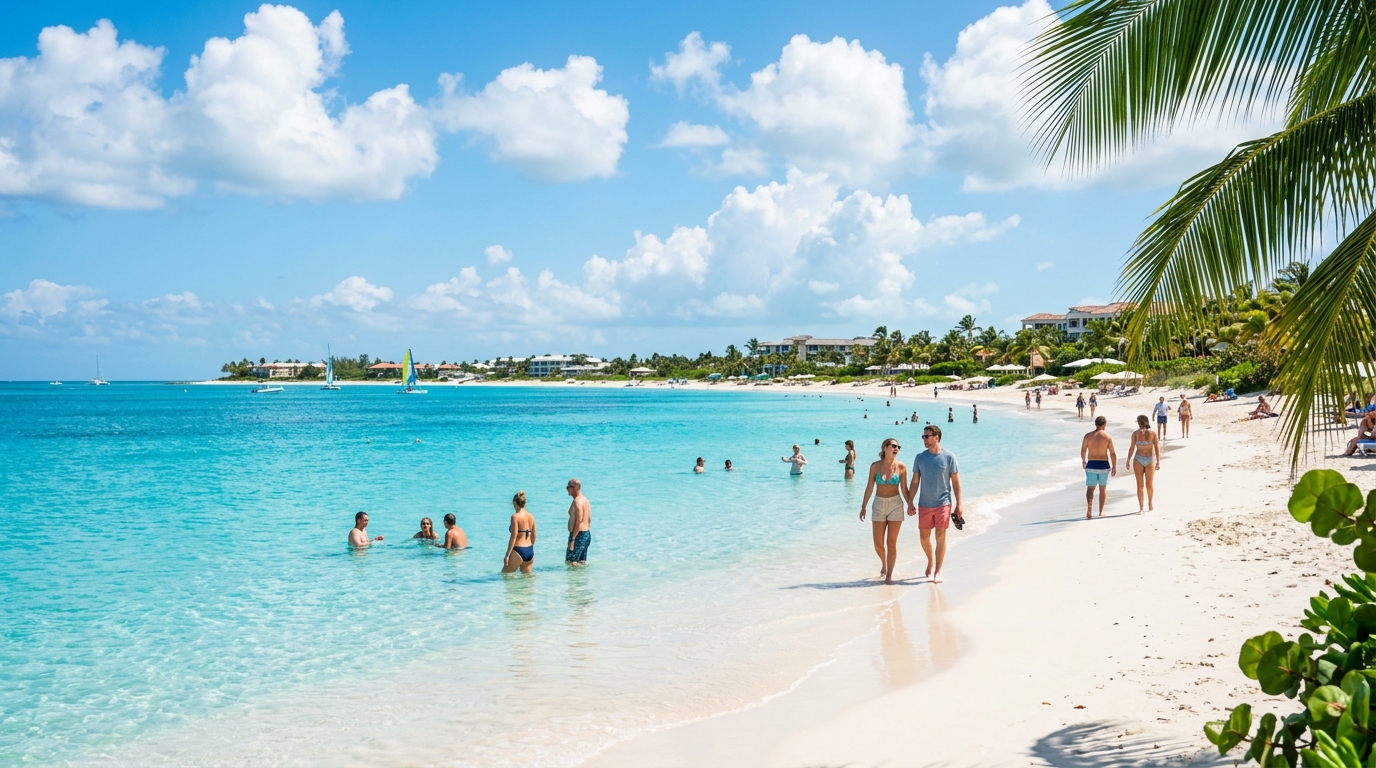
The Turks and Caicos Islands have two main seasons: dry (December to April) and wet (May-November). But "wet season" doesn't mean constant rainfall like you might think. It's more about humidity levels, storm potential, and afternoon shower frequency when you visit the Turks and Caicos. Understanding these patterns is crucial when planning a trip to Turks and Caicos.
Dry season temperatures range from the low 80s to mid-80s with low humidity and minimal rainfall. Trade winds are consistent, providing natural air conditioning that makes every beach comfortable. Water temperatures range from 78°F in January to 82°F in April, perfect for swimming and water sports.
Wet season sees temperatures climb into the upper 80s and low 90s with high humidity. Afternoon thunderstorms are common but usually brief, and increased rainfall often provides welcome relief. Water temperatures peak at 86-87°F in late summer. This is also when you'll encounter the most spectacular sunsets, thanks to increased atmospheric moisture in the Turks and Caicos weather patterns. Every beach offers incredible views during these dramatic weather displays.
Hurricane season timing is crucial to understand if you're considering a summer or fall visit to the Turks and Caicos. The peak months (August-September) require serious consideration of weather insurance and flexible bookings for your villa or vacation rentals.
Crowd Patterns and What They Mean for Your Trip
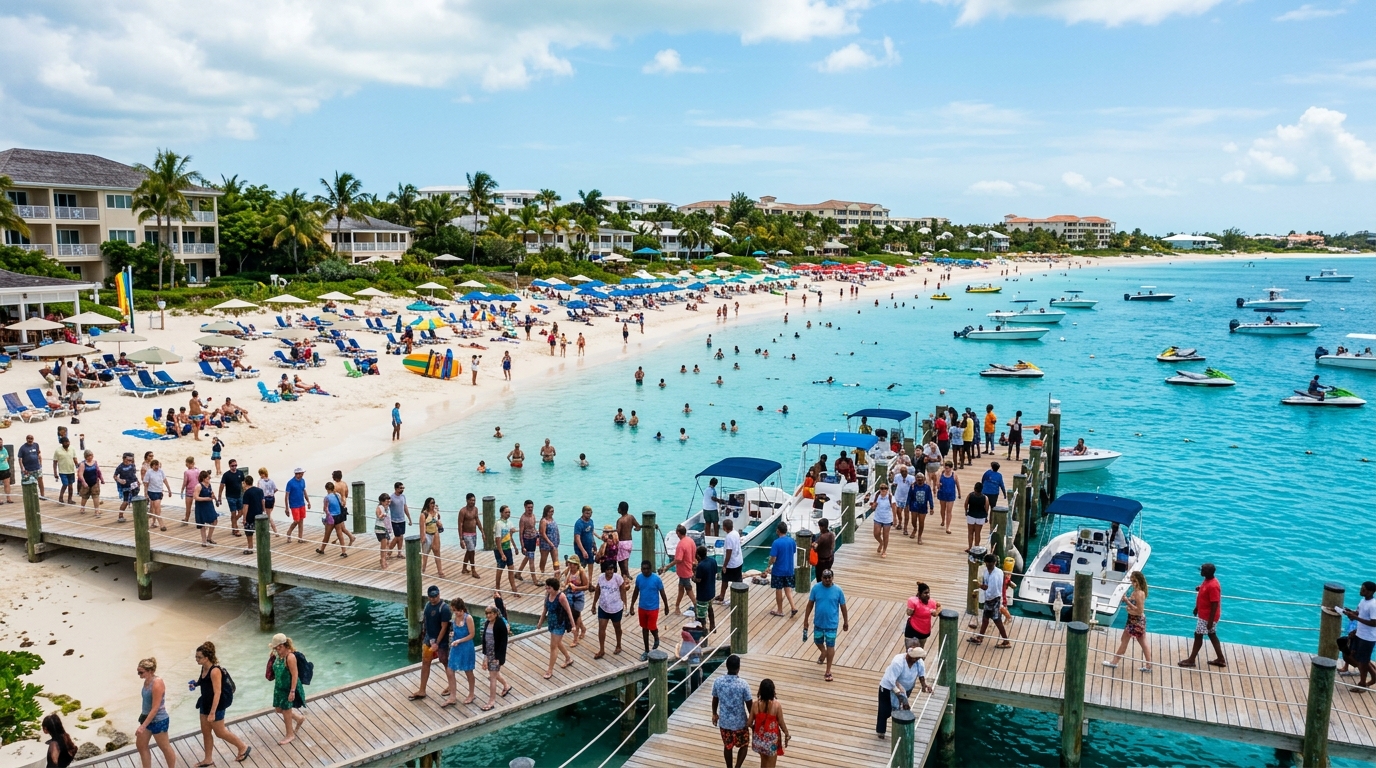
Understanding when crowds hit the Turks and Caicos Islands can make or break your vacation experience. High season (December to April) sees the islands at maximum capacity, with cruise ships, resort guests, and vacation rental visitors all competing for the same beaches and restaurants when you visit the Turks and Caicos.
Shoulder season (May and November) offers the best balance of good Turks and Caicos weather and manageable crowds. You'll still encounter other tourists, but you won't feel like you're in a theme park when you visit Turks and Caicos during these ideal months. Every beach from Grace Bay to Grand Turk feels more authentic and accessible.
Hurricane season crowds are minimal, which can be either liberating or lonely depending on your travel style during this low season time to travel. Some restaurants and activities may be closed or operating on reduced schedules, but villa and vacation rentals availability is at its highest.
Special events like the Turks and Caicos Music Festival (July) or Conch Bar Carnival (August) can impact crowd levels even during typically quiet months. Check event calendars before planning a trip to Turks and Caicos if you want to avoid or embrace these celebrations during your Caribbean getaway.
Money Matters: When TCI Won't Break the Bank
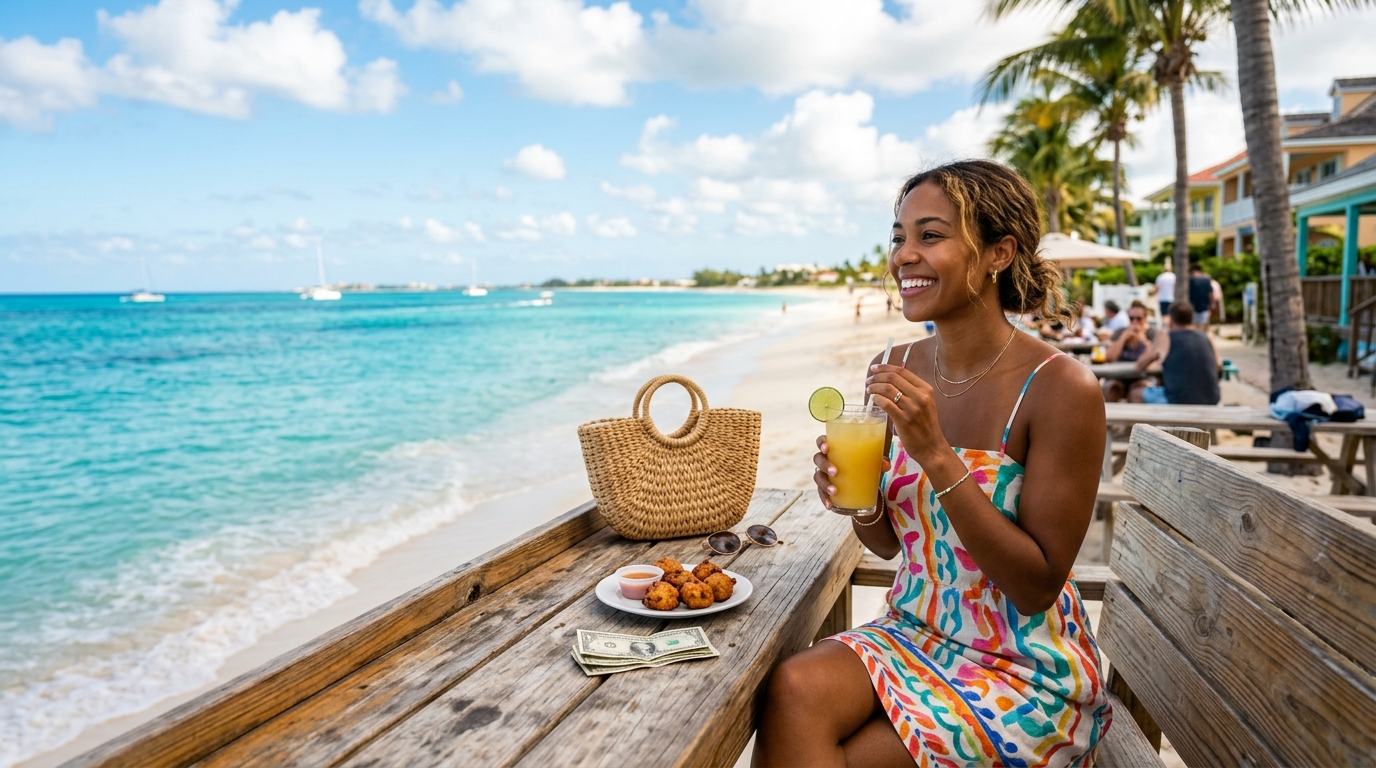
Let's talk about the elephant in the room: Turks and Caicos is expensive. But there are definitely times when it's less expensive, and if you're strategic about the best time to visit Turks and Caicos, you can save serious money on everything from villa accommodations to vacation rentals.
May through early November offers the best deals, with savings of 30-50% on accommodations compared to peak season when you plan your trip during this low season period. September and October typically see the lowest prices for vacation rentals and villa properties, but remember you're trading savings for hurricane risk when planning a trip to Turks and Caicos.
Avoid major holidays and school vacation periods for the best rates. Presidents' Day, Easter, spring break, and the week between Christmas and New Year's command premium pricing even by Turks and Caicos standards. Every beach resort and villa charges peak rates during these high season periods.
Consider the broader cost implications too. Off-season time to travel often means cheaper flights, but you might pay more for activities or dining if some businesses are closed for the season. However, the money you save on vacation rentals and villa accommodations often more than compensates.
Share this Rant:
Frequently Asked Questions
When Should You Absolutely Avoid Turks and Caicos?
Unless you enjoy sweating through your vacation while dodging tropical storms, skip late August and early September. This is when the weather in Turks is most oppressive and hurricane risk peaks. Many upscale restaurants close during these months anyway, limiting your Caribbean getaway experience, though villa and vacation rentals rates hit rock bottom.
What's the Best Month for First-Time Visitors?
March or April gives you the best combination of great Turks and Caicos weather and slightly more reasonable crowds and prices. You'll get the full experience without the extreme peak season chaos of December to April when you visit the Turks and Caicos Islands for the first time. Every beach will be accessible and beautiful during this time of year to visit.
Is Hurricane Season Really That Risky?
Honestly? It depends on your risk tolerance and flexibility when planning a trip to Turks and Caicos during this low season. I've had fantastic June and July trips with perfect beach weather, but I've also been stuck in hotel rooms during tropical storms. If you go during hurricane season, buy good travel insurance and choose villa or vacation rentals with flexible cancellation policies.
When Do Locals Recommend Visiting?
Most locals I've talked to suggest May or November as the best time of year to visit Turks and Caicos. The weather is still great, prices are reasonable for villa and vacation rentals, and you'll get a more authentic experience without the peak season tourist bubble. Plus, all the good restaurants and activities are open and operating normally during these months, and every beach feels more like a local secret.
Comments (0)
No comments yet. Be the first to complain.