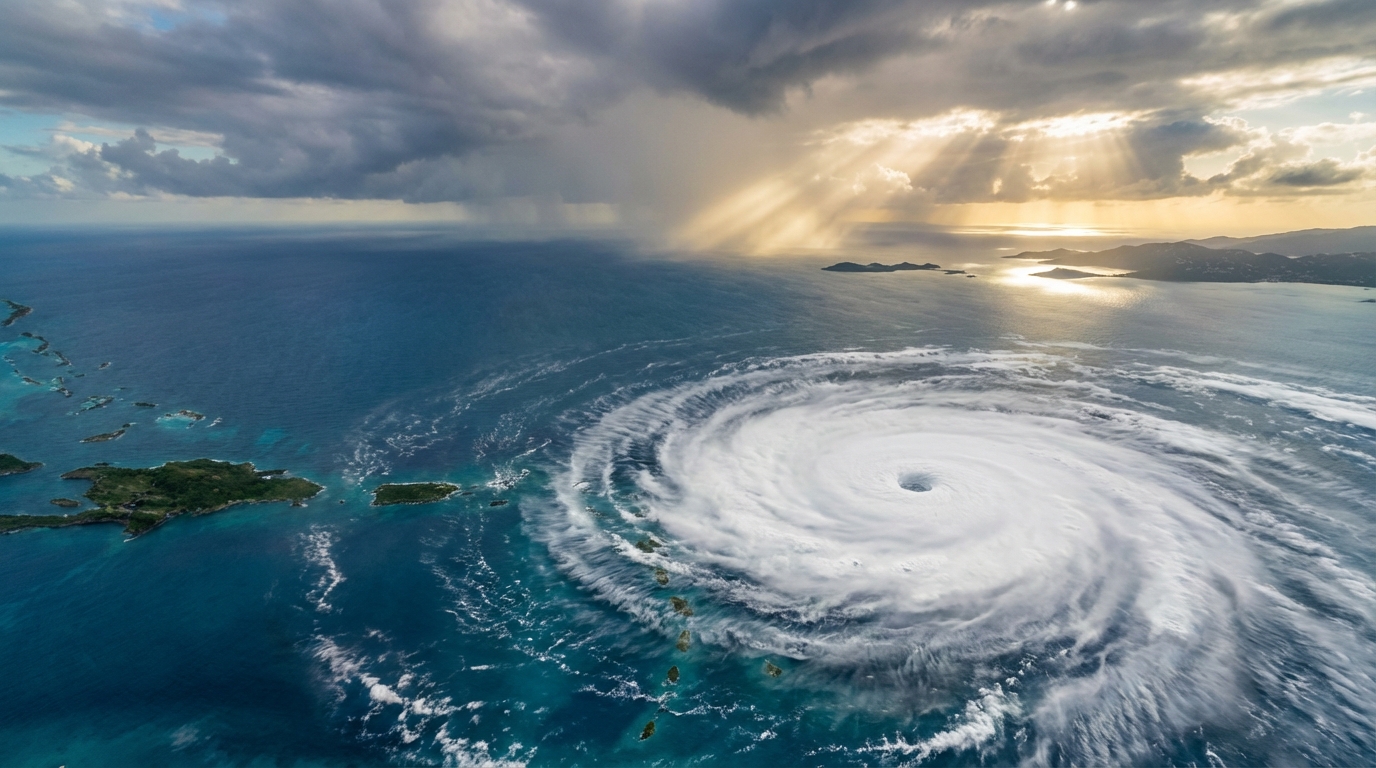
Hurricane Season in the Caribbean 2026: Month-by-Month Risk and the Best Time to Visit
A few years back I was comparing flights for a September trip and noticed something odd. Fares to Barbados and fares to Aruba were nearly identical in July, but by September the Aruba prices were noticeably lower for the exact same travel dates. That gap is basically the entire Caribbean hurricane season market showing up in a spreadsheet, and once you understand why it happens, a lot of Caribbean pricing, crowd levels, and even weather patterns across the Caribbean start making a lot more sense before you book a Caribbean vacation.
Quick Answer
The Caribbean hurricane season runs from June 1 to November 30 every year, according to the National Hurricane Center, and the season peaks between mid-August and mid-October. Storm risk is not evenly spread across the Caribbean region: some islands, like the ABC islands sitting outside the hurricane belt in the southern Caribbean, carry far less risk than others. That matters a lot when you're deciding the best time to visit the Caribbean.
Key Takeaways
- Official hurricane season runs from June to November (June 1 to November 30), but roughly 90% of hurricane activity falls in the peak window of mid-August through mid-October.
- August and September are historically the most active months for tropical storms and hurricanes in the Atlantic basin, as the ocean reaches its warmest point of the year.
- Islands like Aruba, Bonaire, and Curaçao sit south of the main hurricane belt and see far fewer direct hits than islands further north, though they are not completely immune.
- Hotel and flight prices across many Caribbean destinations often drop 20 to 40% during peak hurricane months, which is the trade-off for accepting some weather risk.
- Travel insurance with a "cancel for any reason" or hurricane clause is worth the cost if you're booking during what is otherwise a less popular time to visit, roughly August through October.
When Is Hurricane Season in the Caribbean, Exactly?
The hurricane season in the Caribbean runs from June 1 through November 30, a window set by NOAA and the National Hurricane Center based on decades of Atlantic storm records. That's a fixed calendar range, not a rolling forecast. Storms can technically form outside it, but the overwhelming majority of tropical storms and hurricanes that affect the Caribbean form somewhere inside those six months.
What the season dates don't tell you is how uneven the risk actually is. June and the first half of July tend to be relatively quiet, since a hurricane or tropical storm needs a specific weather pattern, warm water, low wind shear, and steady trade winds, to organize and strengthen. By the peak of the summer months, the Atlantic and the tepid Caribbean Sea have had a full season to warm up, and that's when things change.
Atlantic Hurricane Season vs. Caribbean Hurricane Season: Are They the Same Thing?
Mostly, yes. The Caribbean hurricane season shares the same June 1 to November 30 window as the broader Atlantic hurricane season, since most storms form over the Atlantic off the African coast before tracking west, while a smaller number of Caribbean storms form closer to home in the Gulf of Mexico or form in the western Caribbean later in the season. What differs is geography, not timing.
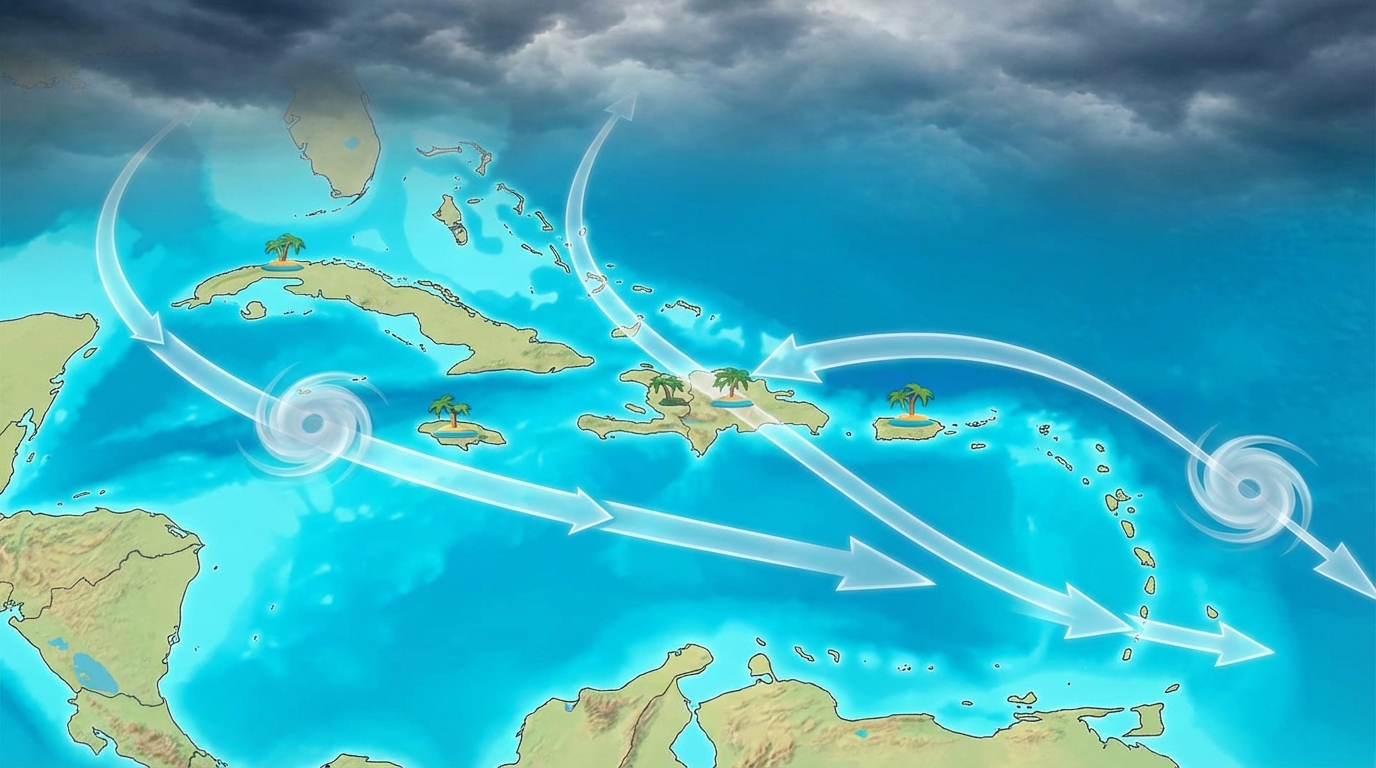
The hurricane belt, the corridor where storms most often track and make landfall, runs roughly through:
- The Bahamas and Turks and Caicos, in the northern Caribbean
- Cuba, Jamaica, and the Cayman Islands
- The Dominican Republic, Puerto Rico, and the Virgin Islands
- The northern Leeward Islands of the eastern Caribbean, including St. Lucia and Antigua
Islands further south, closer to Venezuela's coast, sit at the edge of that belt or outside it entirely. That's the reason Aruba's insurance and hotel pricing don't swing the way Jamaica's or the Bahamas' do during peak months. Islands such as Barbados, sitting further east and south than St. Lucia or Antigua, also tend to see fewer direct hits, even though storm tracks within the Caribbean can shift unpredictably from year to year.
Month-by-Month: What Hurricane Risk Actually Looks Like
This is the part I actually use when planning a trip. NOAA's historical data breaks the season down unevenly, and a table makes that a lot easier to act on than a single "June to November" warning label.
| Month | Storm risk | What it means for a trip |
|---|---|---|
| December to May | Very low (outside official season) | This is the dry season across most of the Caribbean and generally the safest window for reliable weather, though it's also the most crowded and most expensive time to book. |
| June | Low | Season technically starts June 1, but early storms are uncommon. Rain is more likely than wind. A reasonable month to visit if you want lower prices without much added risk. |
| July | Low to moderate | Activity starts building. Most years still see relatively few storms reach the Caribbean itself in July, though 2024's Hurricane Beryl, which struck Grenada and Carriacou as an unusually early major hurricane, is a reminder that "low" isn't "zero." |
| August | High, rising | This is where the season shifts. Warm water across the Atlantic and Caribbean Sea supports more frequent and stronger storms. Good time to have travel insurance in place. |
| September | Peak, highest of the year | Historically the most active single month for named storms and major hurricanes. If you're avoiding one month entirely, this is the one most travelers skip. |
| October | High | Still very active, though storm tracks shift more toward the western Caribbean, affecting Cuba, the Cayman Islands, and the Gulf coast more than the eastern islands. |
| November | Moderate, tapering | Activity winds down through the month. By late November, conditions usually resemble the calmer pattern that carries into December. |
Tip: If you can only avoid one stretch of the calendar, make it late August through late September. That's where hurricane activity concentrates most in NOAA's historical records, more than any other four-week window in the season.
Which Islands Sit Outside the Caribbean Hurricane Belt
The southern Caribbean gets asked about a lot, and for good reason. Aruba, Bonaire, and Curaçao, often grouped together as the ABC islands, sit close to the Venezuelan coast and largely outside the main hurricane belt. Trinidad and Tobago, even further south, sees direct hits so rarely that they're often treated as a non-factor in trip planning there. For travelers weighing the best islands to visit purely on storm odds, this corner of the Caribbean is usually the answer, even though other parts of the Caribbean have plenty going for them too.
I'd stop short of calling any of them hurricane-proof. Beryl's 2024 track through the southern Windward Islands, devastating Union Island in Saint Vincent and the Grenadines along with Grenada and Carriacou, showed that unusually strong or early-forming storms can still reach latitudes that are normally considered safe. It's a low-probability event, not a zero-probability one.
By contrast, islands squarely inside the belt, the Bahamas, Jamaica, Cuba, the Dominican Republic, and Puerto Rico, see far more direct hits and near misses over any given decade. That doesn't make them bad choices. It just means hurricane season timing matters more if that's where you're headed.
Should You Travel to the Caribbean During Hurricane Season?
For a lot of travelers, yes, and the tradeoffs are worth understanding rather than avoiding outright. Hotel rates in September and October are routinely 20 to 40% below winter high-season pricing on the same islands, since winter remains the most popular time to visit for Caribbean holidays. Beaches are quieter. Restaurants that require reservations in February will often seat you same-day.
The real cost isn't the weather on any given day, it's the risk of disruption. A named storm doesn't have to make direct landfall to mess with a trip; outer bands can bring days of heavy rain, flight delays, or a rerouted itinerary. If your schedule is flexible and your insurance covers weather cancellations, that risk is manageable. If you're working around a tight window, like a destination wedding, it's a much bigger gamble. That's really the trade-off behind travel during hurricane season: lower prices against a real, if usually manageable, chance of disruption.
What About Cruising During Hurricane Season?
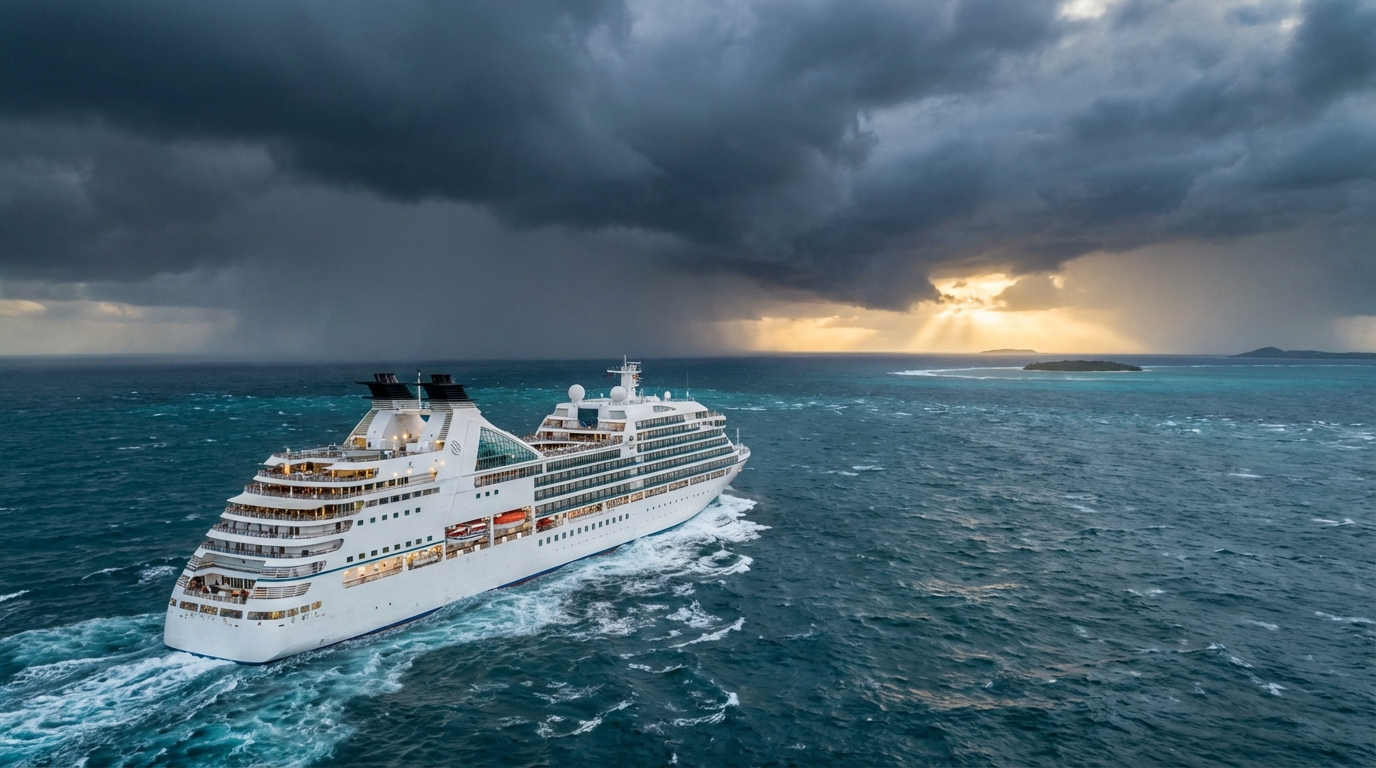
Cruise lines actually have an advantage here that land-based travelers don't: they can reroute. If a storm is tracking toward a scheduled port, cruise ships typically adjust course days in advance, swapping out an itinerary stop rather than sailing into it. It's not unusual to book a Caribbean cruise in September and end up visiting a different island than the one originally listed. Reports from recent cruisers suggest this happens more often than people expect during peak months, and it's rarely disclosed until close to departure.
How El Niño Affects the Caribbean Hurricane Season
This is one of the more useful things to understand if you're trying to gauge risk for a specific year rather than just the calendar. El Niño, the periodic Pacific weather pattern tied to the El Niño-Southern Oscillation, tends to increase wind shear over the Atlantic, which can suppress hurricane formation. La Niña years, and neutral years with warm Atlantic water, tend to produce more hurricane activity across the Caribbean region.
NOAA's preseason outlook for 2026 pointed to an above-average season, with forecasters citing roughly 13 to 19 named storms and warmer than usual sea surface temperatures as the main drivers, numbers not far from the long-term average of around 14 named storms per season. It's a useful early signal, though it says nothing about where individual storms will track, which matters more for trip planning than the raw storm count.
Practical Tips for Planning a Trip Around Hurricane Season
A few things I'd actually check before booking a Caribbean vacation between June and November:
- Confirm your hotel's cancellation and hurricane policy in writing, not just what a booking site summary says.
- Buy travel insurance with a named-storm or weather clause, ideally within a couple weeks of your initial deposit.
- Check the National Hurricane Center's tropical outlook a few days before departure, not months in advance; long-range storm tracks aren't reliable that far out.
- Pack for heavy, short-burst rainfall even on a trip with no active storm, since afternoon downpours are common across the whole season.
Tip: If a booking site offers a "flexible" or "fully refundable" rate for only a slightly higher price during hurricane season, I'd take it. The difference is usually smaller than what a single canceled non-refundable night would cost you.
Who Hurricane Season Travel Actually Suits
If you can be flexible on dates, don't mind occasional heavy rain, and want lower prices and thinner crowds, traveling during the Caribbean hurricane season, outside the September peak, is a reasonable trade. If you're planning a wedding, a milestone trip with a fixed return flight, or you're the type who finds weather uncertainty stressful rather than manageable, I'd steer toward December through April, the driest and most reliable stretch across the region, or at least toward the southern Caribbean islands that sit outside the main hurricane belt for some of the best Caribbean weather with the least uncertainty.
If I Went Back: How I'd Plan Around Hurricane Season Now
Knowing what I know now, I'd still book Caribbean trips in July or early November without much hesitation. I'd avoid mid-August through late September unless the destination was Aruba, Bonaire, or Curaçao. And I'd never book a non-refundable rate for a peak-season trip again; the savings weren't worth the one time a tropical storm forecast had us checking flight change fees three days before departure instead of packing.
For a broader sense of what to expect season by season beyond storm risk, our Caribbean weather by month guide breaks down rainfall and temperature patterns island by island. And if the southern Caribbean's lower storm risk is the deciding factor for you, it's worth reading about where Aruba sits outside the belt before you compare it to islands further north.
Share this Rant:
Frequently Asked Questions
What months should I avoid visiting the Caribbean because of hurricanes?
If you're avoiding storm risk entirely, skip mid-August through late September, the peak of the Caribbean hurricane season. Late June, early July, and November carry noticeably lower risk while still falling inside the official June 1 to November 30 season.
What month has the most hurricanes in the Caribbean?
September, according to NOAA's long-term Atlantic hurricane season records. It consistently produces more named storms and major hurricanes than any other month, which is why many travelers treat it as the one month worth actively avoiding.
What Caribbean island is safest from hurricanes?
The ABC islands, Aruba, Bonaire, and Curaçao, along with Trinidad and Tobago, sit outside or at the far edge of the main hurricane belt and see direct hits far less often than islands like the Bahamas, Jamaica, or Puerto Rico. No island is completely risk-free, as Hurricane Beryl's 2024 track through Grenada and Saint Vincent and the Grenadines showed.
Can you still cruise the Caribbean during hurricane season?
Yes. Cruise lines routinely reroute itineraries around forecast storm tracks, often swapping a scheduled port for an alternative island with only a few days' notice. It's common enough that recent cruisers report visiting a different port than originally booked during peak season.
What's the difference between a tropical storm and a hurricane?
It comes down to sustained wind speed. A tropical storm has sustained winds between 39 and 73 mph, while a hurricane starts at 74 mph and is further ranked on the Saffir-Simpson scale from Category 1 through Category 5 based on intensity.
How does El Niño affect the Caribbean hurricane season?
El Niño typically increases wind shear over the Atlantic, which tends to suppress hurricane formation and results in quieter seasons. La Niña and neutral years, combined with warmer Atlantic water, usually produce more active seasons with a higher number of named storms.
Comments (0)
No comments yet. Be the first to complain.