Bonaire Itinerary 5 Days: Your Complete Week in Bonaire Guide | CaribVisitor
Planning 5 days in Bonaire? This real-world itinerary covers the best dive sites, flamingo spotting, and local secrets on this Caribbean island paradise.
Bonaire Itinerary 5 Days: Your Complete Week in Bonaire Guide
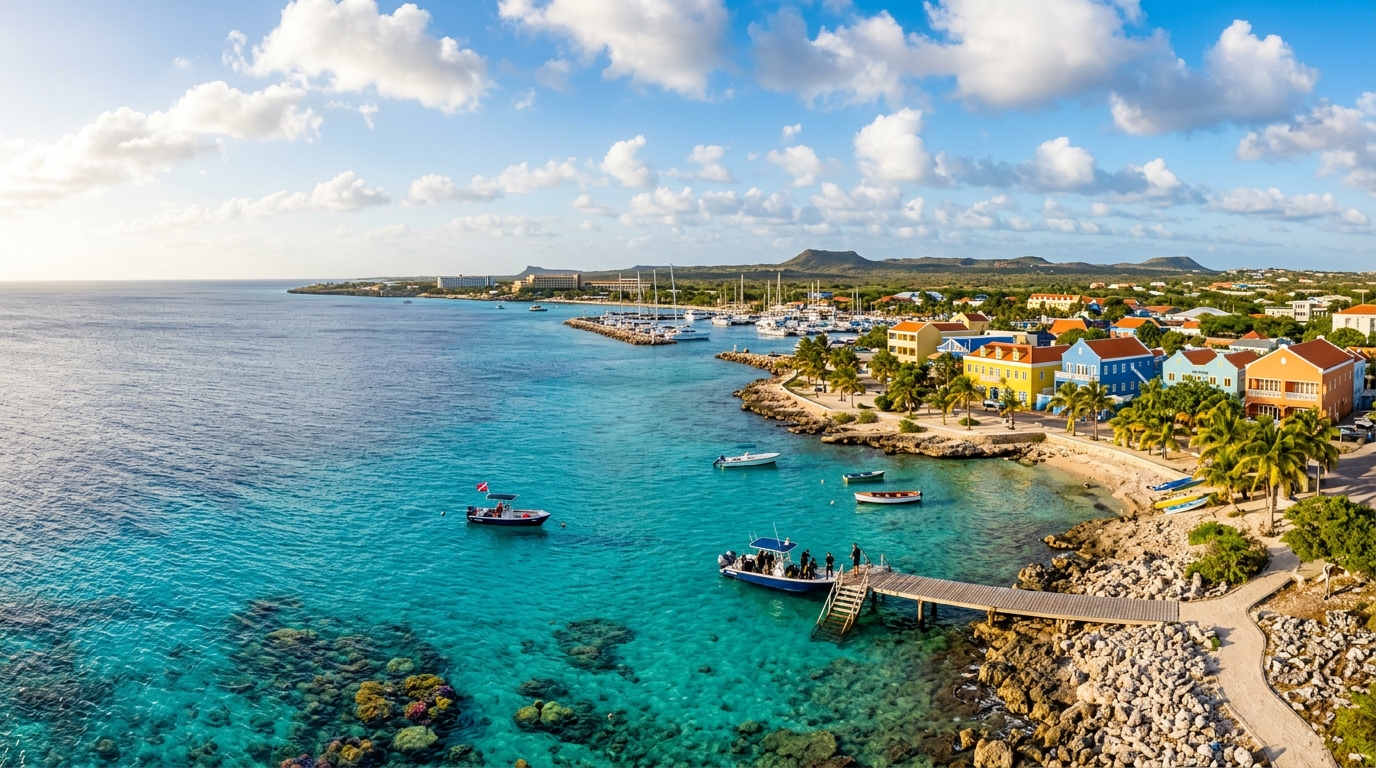
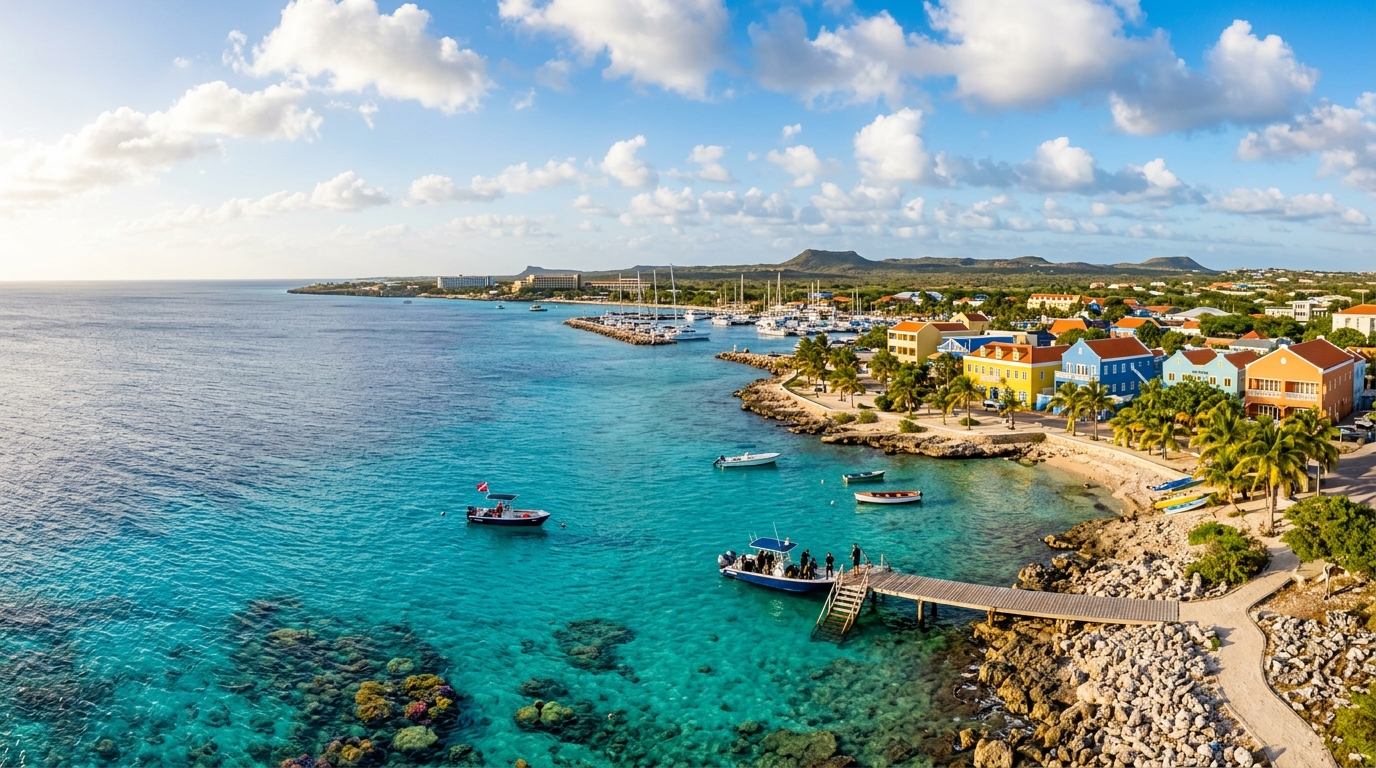
Five days in Bonaire is the sweet spot for experiencing everything this Dutch Caribbean island has to offer without feeling rushed or bored. I've spent countless weeks here testing dive sites, hunting down the best food, and figuring out what's actually worth your time versus what's Instagram bait on this incredible island in the Caribbean.
Here's the thing about the island of Bonaire: it's not your typical Caribbean party island like Aruba or Curaçao. This place is all about underwater adventures, pink flamingo watching, and a laid-back vibe that'll have you questioning why you ever stressed about anything. But don't let the chill atmosphere fool you into thinking you can wing it. A solid plan makes all the difference between an amazing trip to Bonaire and wondering why you didn't just go to one of the neighboring islands instead.
Day 1: Arrive and Get Your Bearings
Morning: Land and Settle In
Most flights arrive in the late morning or early afternoon, so don't try to cram too much into day one. Pick up your car rental (you'll need it to get around Bonaire properly), grab some groceries if you're staying somewhere with a kitchen, and get oriented. The island is only 24 miles long and 3-7 miles wide, so getting lost is harder than finding your way.
Afternoon: Kralendijk Exploration
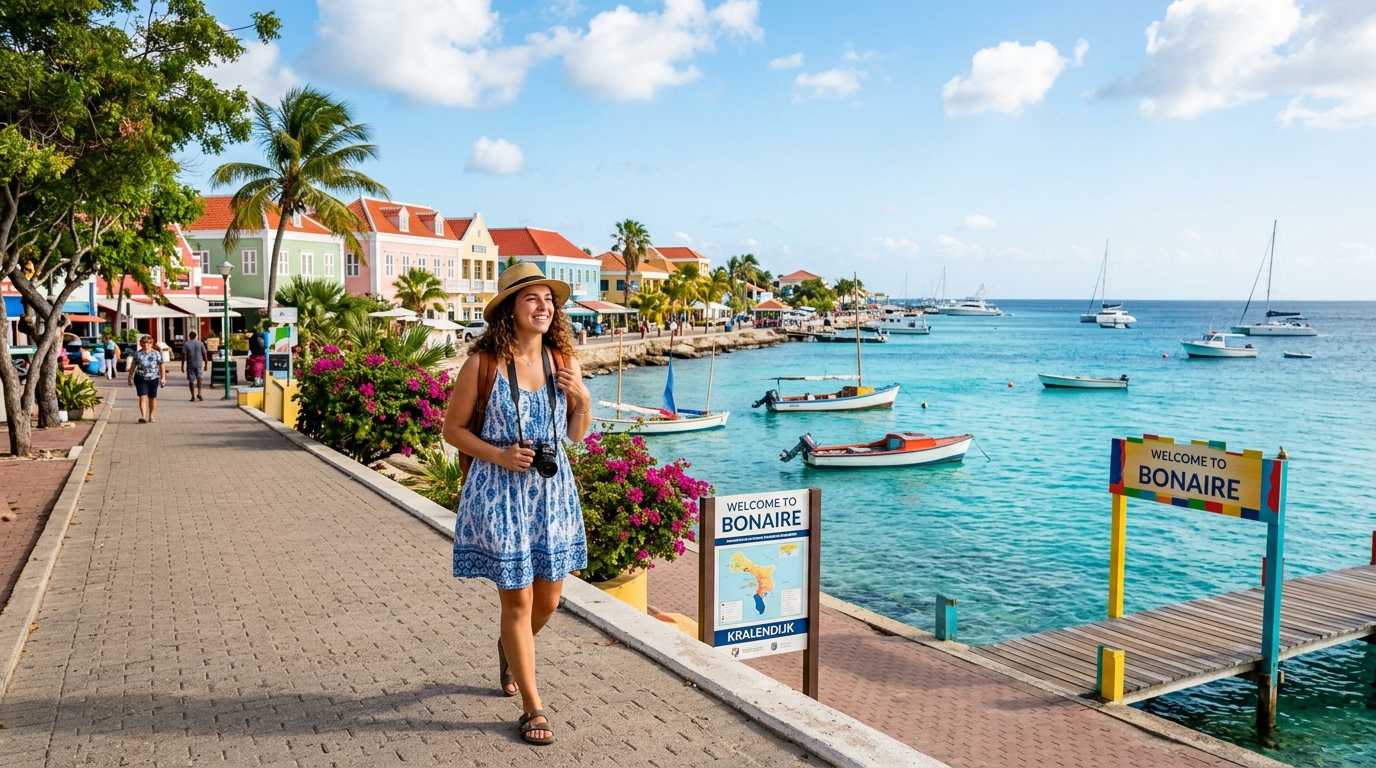
Start with a walk around Kralendijk, the capital of Bonaire and the island's tiny main town. I'm talking maybe 30 minutes to see everything, but it's worth getting the lay of the land. Stop by the tourism office for maps and local intel, then wander down to the waterfront. The colorful Dutch colonial buildings are pretty, and you might spot some of the island's famous wild donkey population wandering the streets (yes, really).
Evening: Sunset and Dinner
Head to the salt flats for your first Bonaire sunset. The contrast between the white salt pyramids, pink water, and orange sky is genuinely spectacular. For dinner, try Capriccio for solid Italian food or It Rains Fishes for Caribbean fusion. Both are local favorites and among the best restaurant options that won't disappoint your first night on the island.
Day 2: Diving Deep (Literally)
Morning: Shore Diving at 1000 Steps
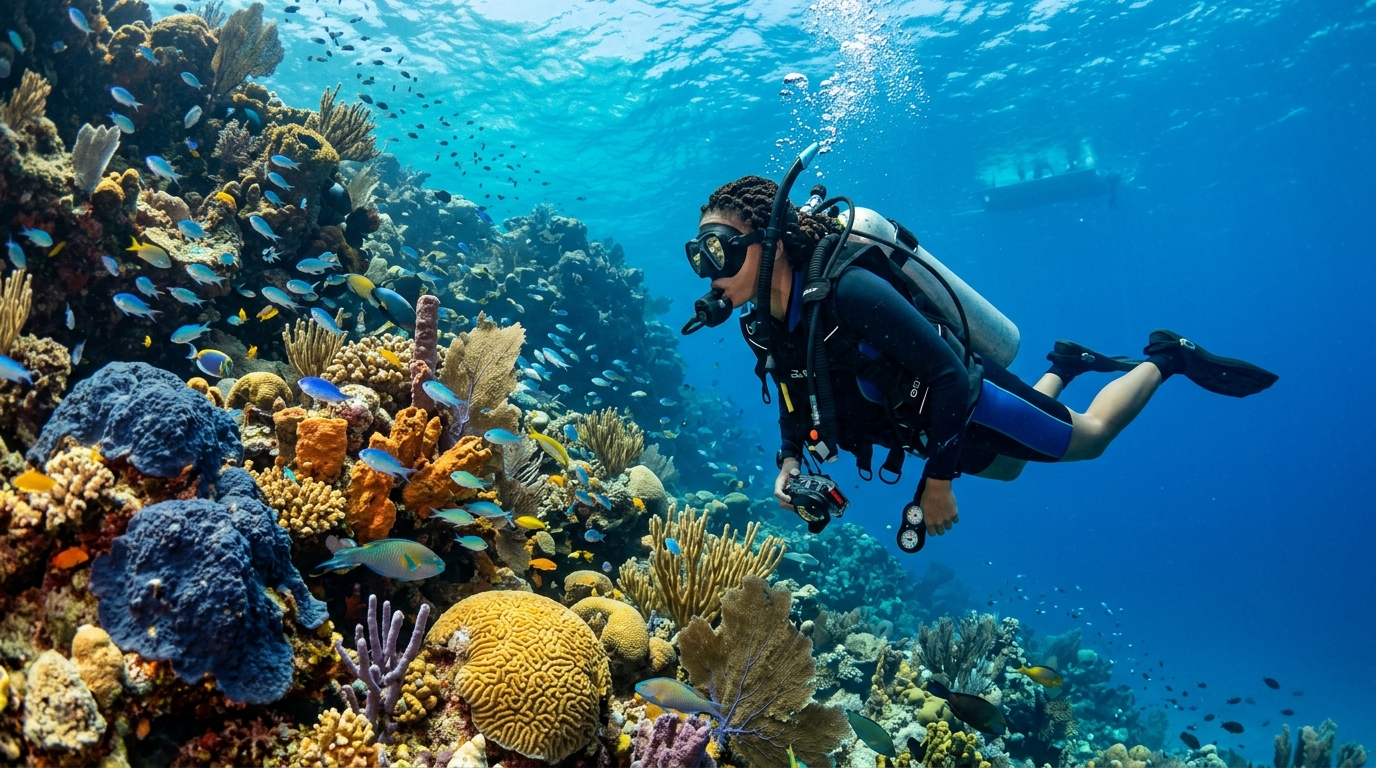
If you're here, you probably dive. If you don't dive yet, learn. Bonaire has some of the best shore diving in the world within the Bonaire National Marine Park, and beyond the diving scene, the island still delivers. Start at 1000 Steps (it's actually only 67 steps, but who's counting?). The reef here is healthy, the fish life is abundant, and the entry is straightforward. You can also snorkel here if you prefer to stay on the surface.
Afternoon: Salt Pier Diving
This is where Bonaire gets special among Caribbean dive sites. Salt Pier is an industrial dock that happens to have incredible marine life underneath. The concrete pillars are covered in orange cup corals, and you'll see tarpon, barracuda, and angelfish. It's proof that sometimes the best diving spots aren't the prettiest from above water.
Evening: Recovery Time
After two dives, you'll be tired in the best possible way. Grab a beer at one of the beach bars and plan tomorrow's adventures. Your body will thank you for taking it easy during your first full day to visit Bonaire's underwater world.
Day 3: Washington Slagbaai National Park Adventure
Early Morning: Park Entry and Planning
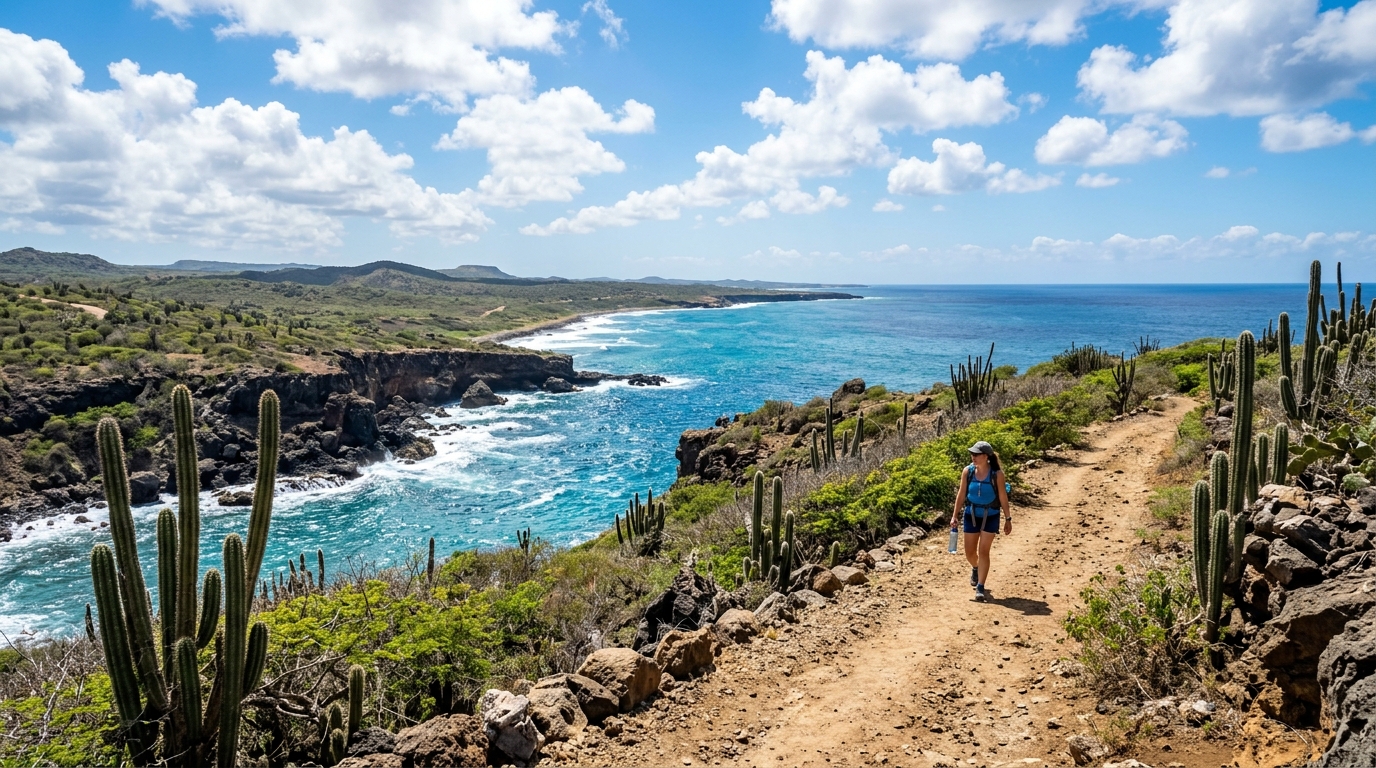
Get to Washington Slagbaai National Park when it opens at 8 AM. You've got two route options: the shorter yellow route (22 km, 2-3 hours) or the longer green route (34 km, 4-5 hours). Unless you're really pressed for time, do the green route. You came this far, might as well see everything this national park offers.
Bring water, snacks, and sunscreen. The roads are rough in places, but any regular car rental can handle them. Just don't try to set any speed records, and watch out for the occasional cactus growing close to the path.
Mid-Morning: Brandaris Hill
This is the highest point on Bonaire at 784 feet. The hike to the top takes about 20 minutes and gives you panoramic views of the entire island. On clear days, you can see Curaçao across the water. The trail is marked but rocky, so wear decent shoes.
The view from the top puts everything in perspective. You'll see how small this Caribbean island really is, which somehow makes it feel even more special during your week in Bonaire.
Afternoon: Beach Hopping
Hit Playa Chikitu and Boka Slagbaai for completely different beach experiences. Chikitu is better for swimming and has decent snorkel opportunities, while Slagbaai has dramatic waves that make it perfect for photos but sketchy for swimming. Both are beautiful in their own way.
Don't expect Bahamas-level sand quality, but the isolation and natural beauty more than make up for it. These spots showcase why people love to stay in Bonaire for the unspoiled nature.
Day 4: Klein Bonaire and Water Sports
Morning: Klein Bonaire Day Trip
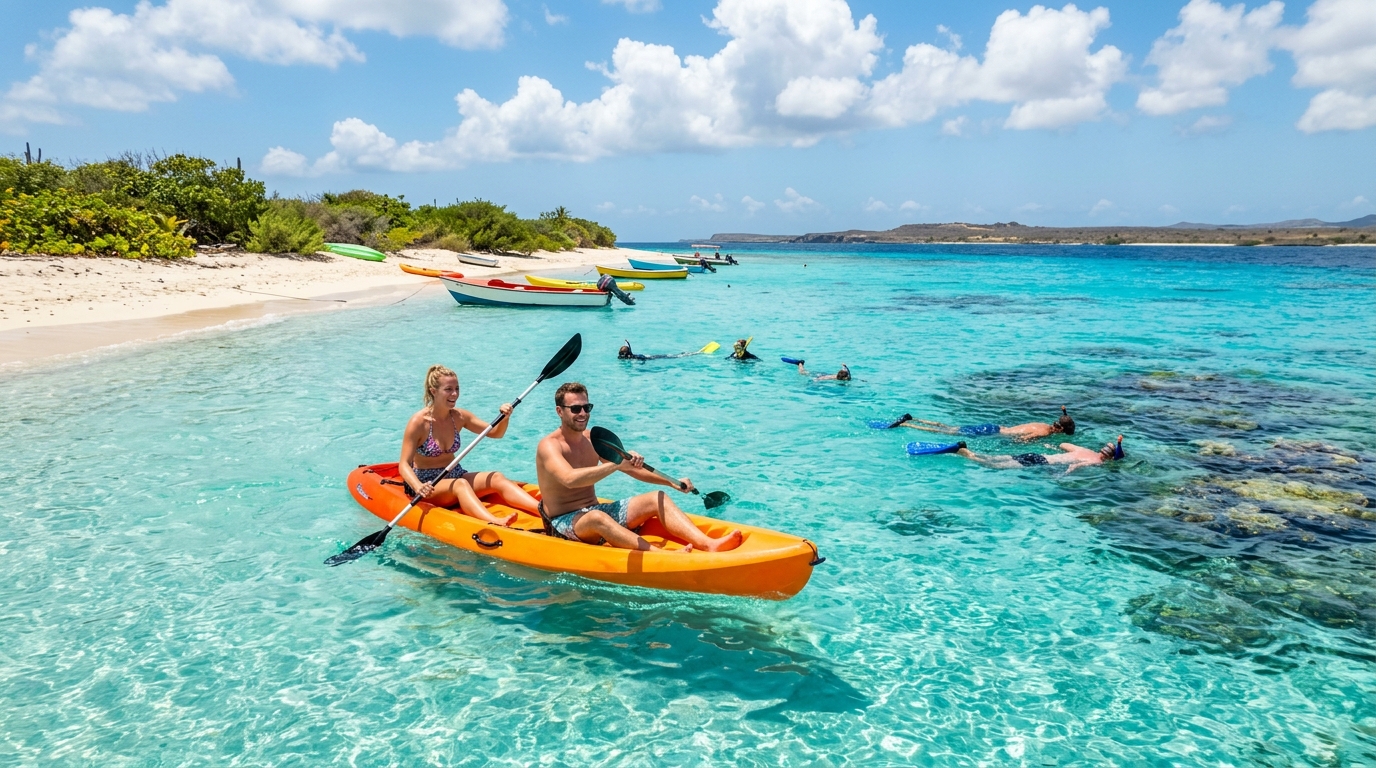
Klein Bonaire is a small uninhabited island just offshore that's basically one big beach with incredible opportunities to snorkel. Book a boat trip or kayak over if you're feeling ambitious. Most day trips include snorkel gear and last about 4 hours.
The snorkeling here is beginner-friendly but still impressive. You'll see sea turtles, rays, and colorful reef fish without fighting crowds or dealing with boat noise. It's like having your own private lagoon for the day.
Afternoon: Windsurfing or Kitesurfing
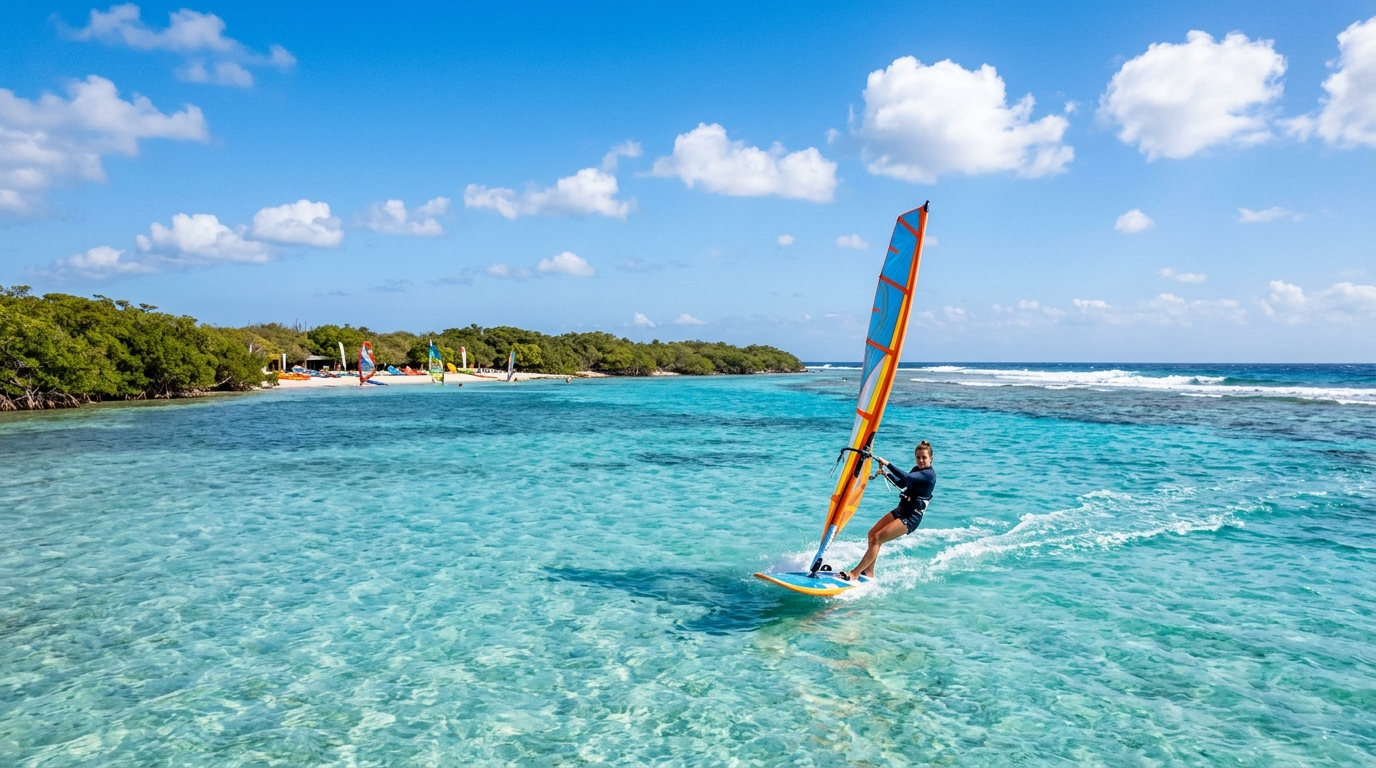
Bonaire has consistent trade winds that make it perfect for windsurfing and other wind sports. Even if you've never tried windsurfing, the shallow waters and steady breezes make it an ideal place to learn. Several shops rent gear and offer lessons.
If water sports aren't your thing, this is a good time to explore more dive sites or just relax on the beach. No judgment here during your 5 nights in Bonaire.
Evening: Local Food Hunt
Skip the resort restaurants and find some local flavor. Try pastechi (savory pastries) from a roadside stand or head to a local spot for fresh fish. The food scene isn't huge, but when you find good stuff, it's really good. Consider a dinner on the beach if the weather's nice.
Day 5: Flamingos, Caves, and Last-Minute Adventures
Morning: Flamingo Spotting
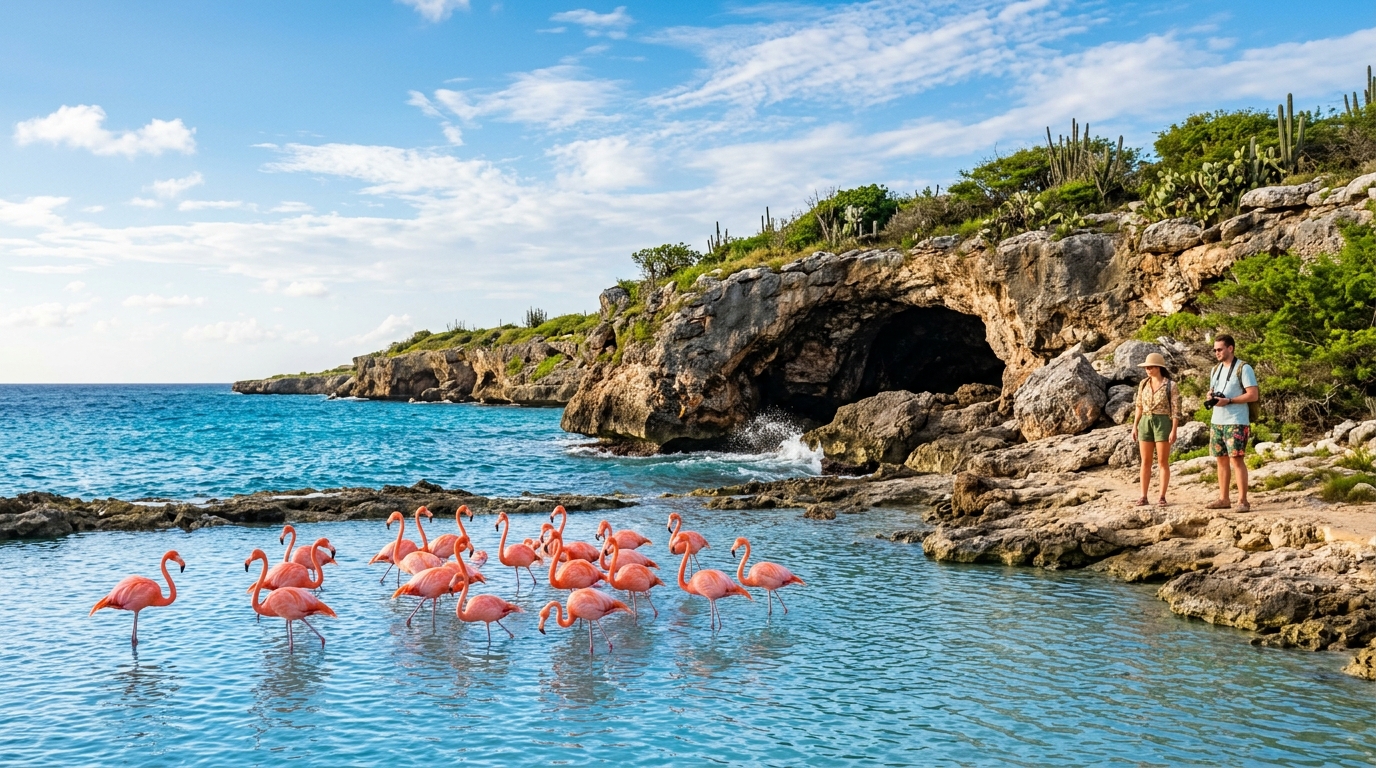
Head to the Pekelmeer Flamingo Sanctuary early when the birds are most active. You can't get super close (they're protected), but the sight of hundreds of pink flamingo birds against the salt flats is worth the drive. Bring binoculars or a good zoom lens.
The best viewing is usually from the road overlooking the sanctuary. Don't try to get closer or you'll stress out the birds and potentially get fined. These flamingo populations are one of Bonaire's most famous attractions.
Mid-Morning: Cave Exploration
Check out some of Bonaire's caves, like the ones near Rincon. These aren't massive cavern systems, but they're historically interesting and give you a break from the sun. Some have Arawak petroglyphs that are genuinely cool to see.
Most caves are easy to explore, but bring a flashlight and watch your head. The ceilings are lower than you think, and you might encounter the odd cactus growing near the entrance.
Afternoon: Final Dive or Beach Time
Use your last afternoon for whatever you loved most about the trip. Maybe it's one more dive at your favorite site within the marine park, or just lounging on a beach with a cold drink. This is your victory lap around Bonaire.
If you're flying out later, remember that you need to wait at least 18 hours after your last dive before getting on a plane. Plan accordingly for your departure.
Best Time to Visit Bonaire
Bonaire sits outside the hurricane belt, so weather is pretty consistent year-round. The "best" time is December through April when it's slightly cooler and less humid, but honestly, the difference isn't dramatic. Peak season means higher prices and more crowds, especially around the holidays.
If you want better deals and fewer people, consider visiting during shoulder season (May-June or September-November). The weather is still great for diving and outdoor activities. Just avoid September and October if you're paranoid about hurricanes, even though they rarely affect this Caribbean island directly.
For specific timing advice, check out our guide to finding the cheapest time to visit Caribbean islands throughout the year.
Getting Around Bonaire
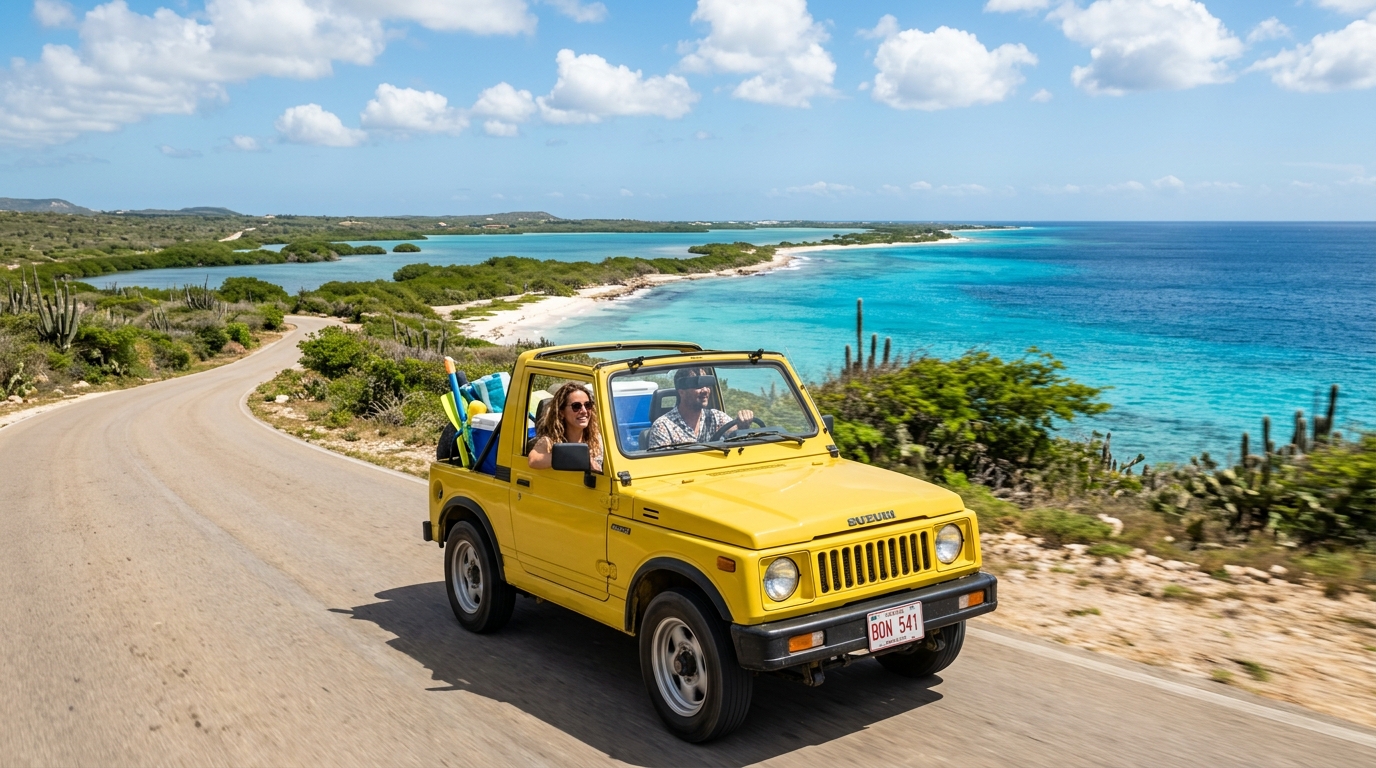
Rent a car. I can't stress this enough for your trip to Bonaire. Yes, you can get around by taxi or arranged tours, but you'll miss so much flexibility and pay way more. The island is small, roads are decent, and parking is never a problem.
Most car rental agencies are at the airport or will deliver to your hotel. A basic economy car is fine for most activities, but if you're planning serious off-road adventures in Washington Slagbaai, consider upgrading to something with higher clearance.
Traffic is basically nonexistent except in downtown Kralendijk during rush hour (and even that's mild). Navigation is simple since there's basically one main road that goes around the entire island.
Where to Stay in Bonaire
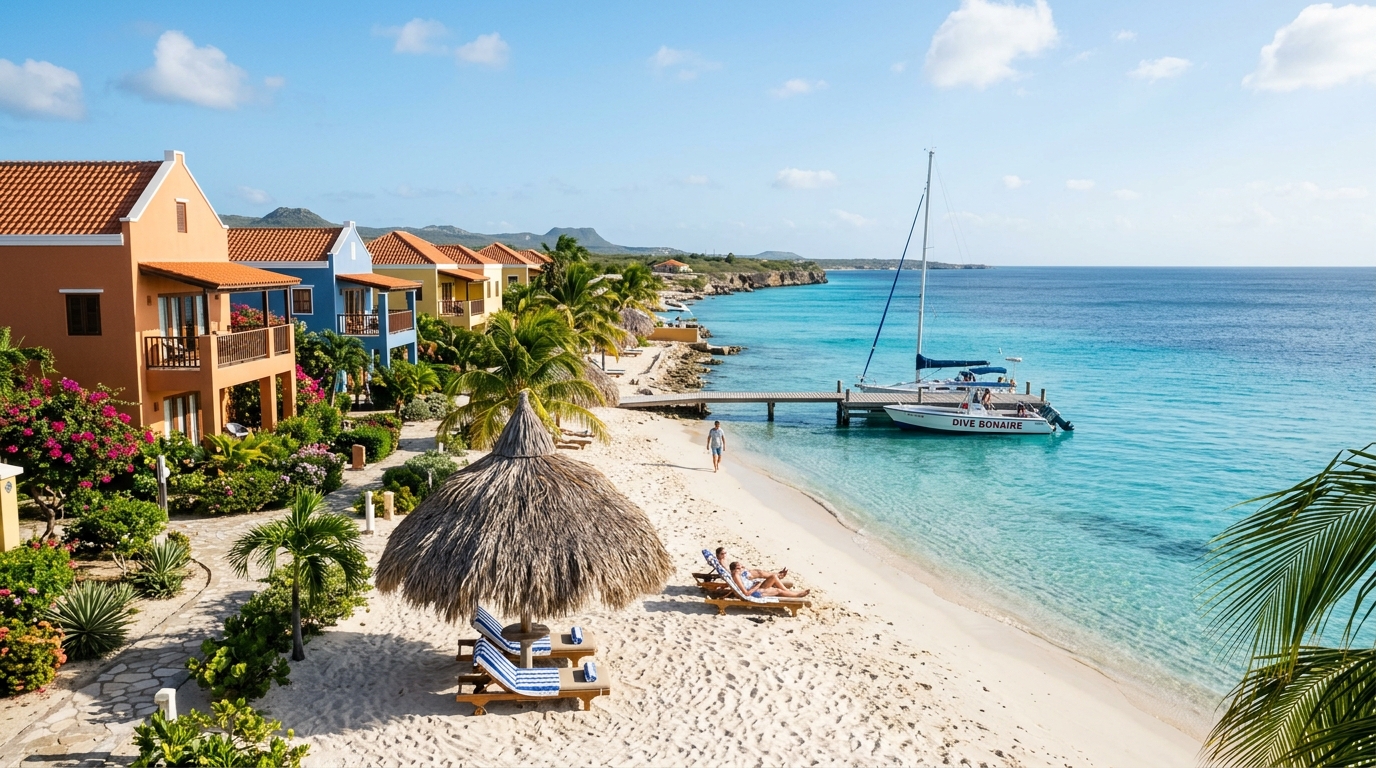
Your accommodation choice depends on what kind of trip you want. For divers, staying somewhere with easy shore access is key. Plaza Resort is popular with dive groups and has good facilities, but it can feel a bit impersonal.
I prefer smaller places like Buddy Dive Resort for the community vibe, or vacation rentals if you want more space and the ability to cook your own meals. Many places include dive packages, which can be a good deal if you're planning multiple dives during your week in Bonaire.
Avoid staying too far from either Kralendijk or the main dive sites unless you really value isolation over convenience.
Essential Tips When You Pack for Bonaire
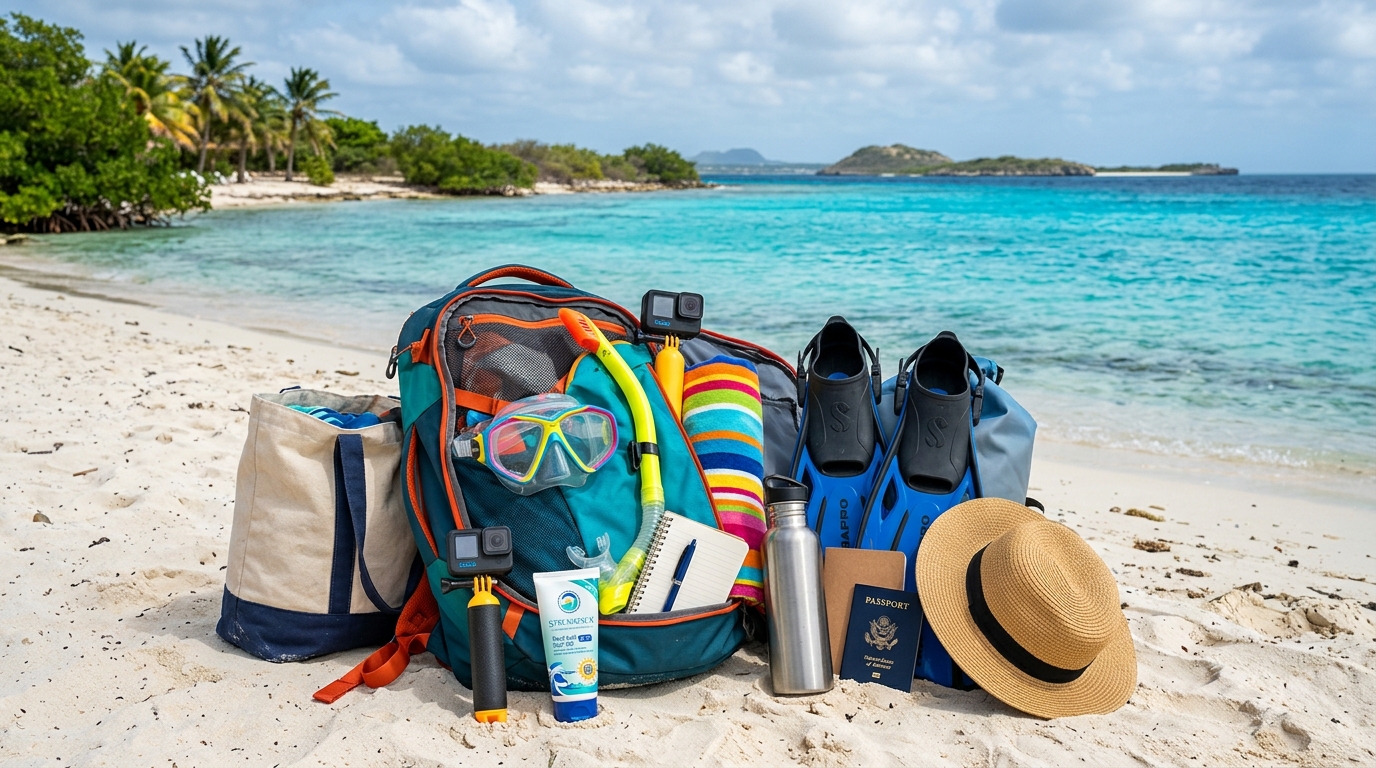
Bring reef-safe sunscreen and lots of it. The sun here is intense, and you'll be spending most of your time outdoors or in the water. Also pack a good hat and lightweight long sleeves for extended sun exposure around this Caribbean island.
If you dive, consider bringing your own mask, snorkel, and fins. Rental gear is available, but having gear that fits properly makes a huge difference. BCD and regulator rentals are usually fine.
Don't forget underwater camera gear if you want to document your dives. Even a basic waterproof camera will capture memories that regular photos can't during your 5 nights in Bonaire.
Share this Rant:
Frequently Asked Questions
Is 5 days enough time in Bonaire?
Five days gives you enough time to experience Bonaire's highlights without feeling rushed. You can fit in multiple dives, explore the national park, see the flamingo sanctuary, and still have time to relax. If you're a serious diver, you might want longer, but for most people, five days hits the sweet spot between seeing everything and not overstaying your welcome on a small island.
Do I need a car in Bonaire?
Yes, absolutely get a car rental. Bonaire doesn't have reliable public transportation, and taxis get expensive quickly. The island is small and easy to navigate, parking is free everywhere, and having your own wheels gives you the freedom to explore at your own pace. This is especially important for accessing different dive sites and reaching Washington Slagbaai National Park.
What's the diving like for beginners?
Bonaire is actually perfect for new divers. The shore diving means no boat schedules or seasickness issues, the water is calm and clear, and most sites have easy entries. The marine life is abundant but not overwhelming, and you can take your time exploring without pressure from dive guides or other divers. Just get your Open Water certification before you arrive to make the most of your trip to Bonaire.
How much should I budget for 5 days in Bonaire?
Budget around $150-200 per day for mid-range accommodations, meals, car rental, and activities. Diving adds extra costs (tank rentals, park fees, gear if needed), so divers should budget closer to $250 per day. Food and drinks are pricey since most things are imported, but you can save money by staying somewhere with a kitchen and buying groceries. The biggest expense is usually accommodation, especially during peak season on this Caribbean island.
What should I do if I don't dive?
Bonaire has plenty for non-divers, though diving is definitely the main attraction. You can snorkel (which is fantastic), windsurf or kitesurf, explore Washington Slagbaai National Park, visit the flamingo sanctuary, check out local caves, or just enjoy the beaches and laid-back atmosphere. The island is also great for photography, birdwatching, and simply unwinding. Just know that you'll be missing out on what makes Bonaire truly special if you skip the underwater world entirely during your visit to this unique island.
Comments (0)
No comments yet. Be the first to complain.