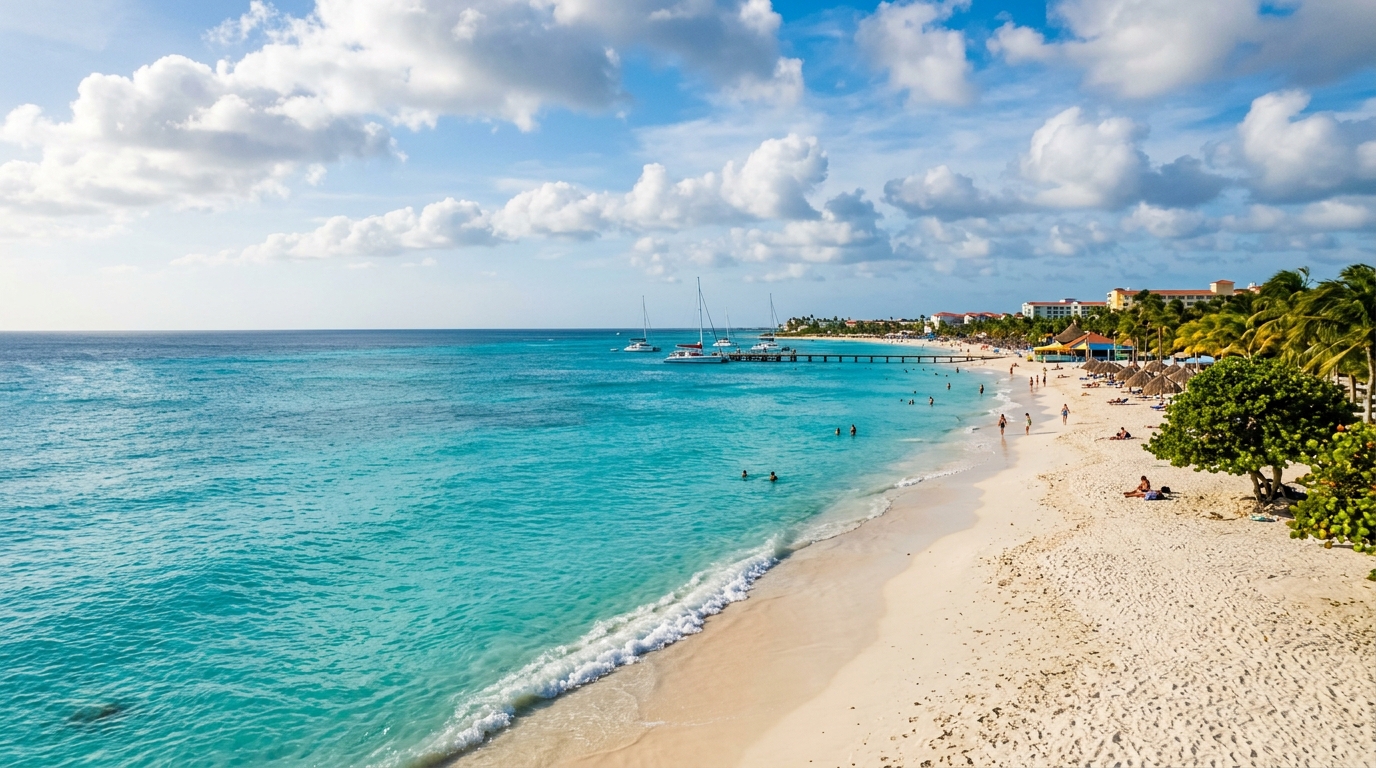
Best Time to Visit Aruba: Your Complete Month-by-Month Guide (2024) | CaribVisitor
Skip the generic advice! Get the real scoop on the best time to go to Aruba with month-by-month weather, crowds, and prices from someone who's been there.
Best Time to Visit Aruba: Your Complete Month-by-Month Guide (2024)
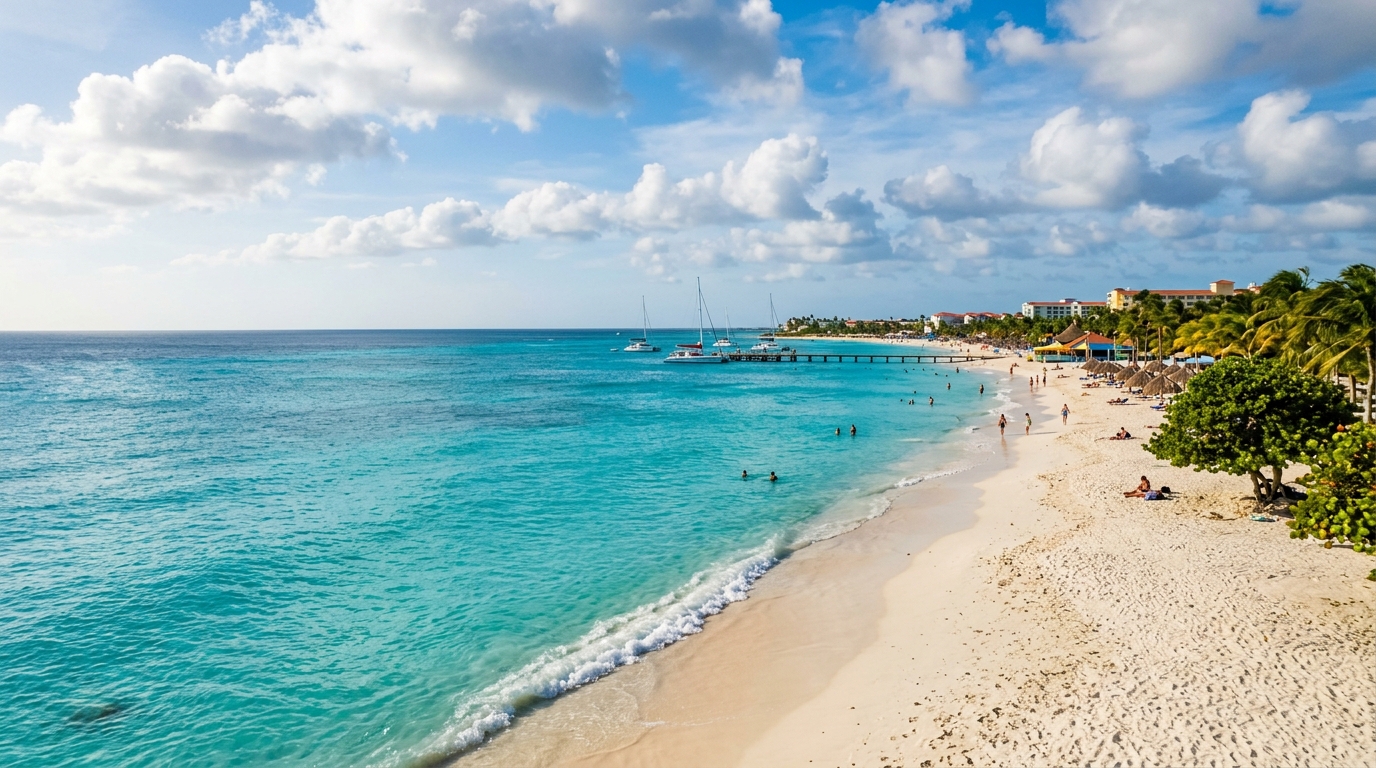
Look, I'm going to save you from making the same mistake half my readers make: booking a trip to Aruba based on some generic "dry season good, wet season bad" advice they found on TripAdvisor. After visiting this island more times than I can count (and dealing with everything from perfect beach days to surprise downpours), I'm here to give you the real deal on the best time to visit Aruba and when to actually go to Aruba based on what matters to you.
Aruba isn't like other Caribbean islands. Sure, it has its seasons, but the whole "rainy season" thing is way overblown here. This place sits so far south that hurricanes basically ignore it, and even the wettest months rarely mess with your beach plans. But that doesn't mean all times of year are created equal when you're planning the best time of year to travel to Aruba.
The Truth About Aruba's Weather Patterns
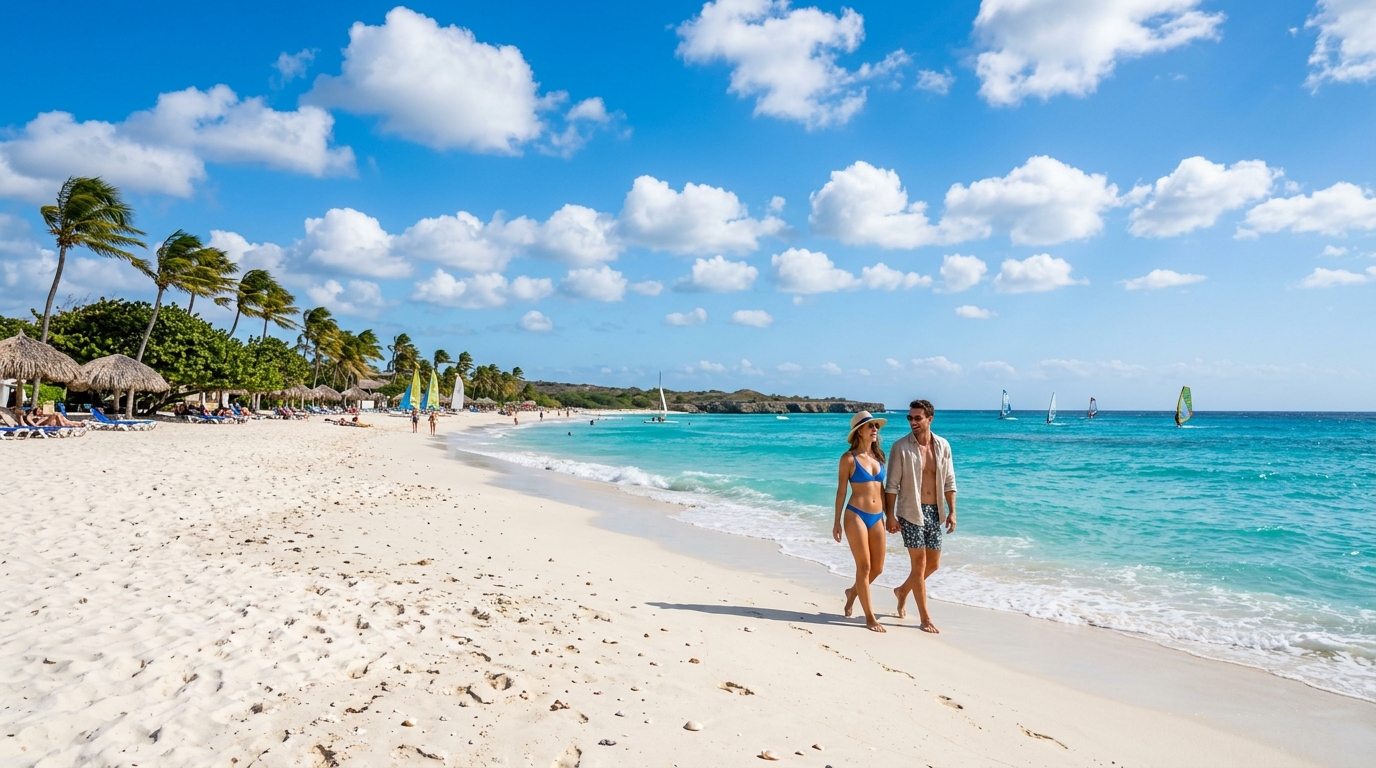
Here's what the tourism boards won't tell you: Aruba weather is ridiculously consistent year-round. We're talking 82-86°F (28-30°C) pretty much every single day, with those famous trade winds that keep things from getting sticky. The real differences when choosing the best time to go to Aruba come down to three things: how much rain you might see, how crowded (and expensive) everything gets, and whether you can handle the wind.
The island has two main seasons: high season (December through April) and low season (May through November). But calling it "wet season" is honestly laughable since Aruba gets about 20 inches of rain per YEAR. For comparison, Seattle gets 37 inches. So yeah, we're not exactly talking monsoons here when you travel to Aruba. The shoulder season months in between offer the best compromise of decent weather without peak season pricing.
Month-by-Month Breakdown: When to Book Your Aruba Trip
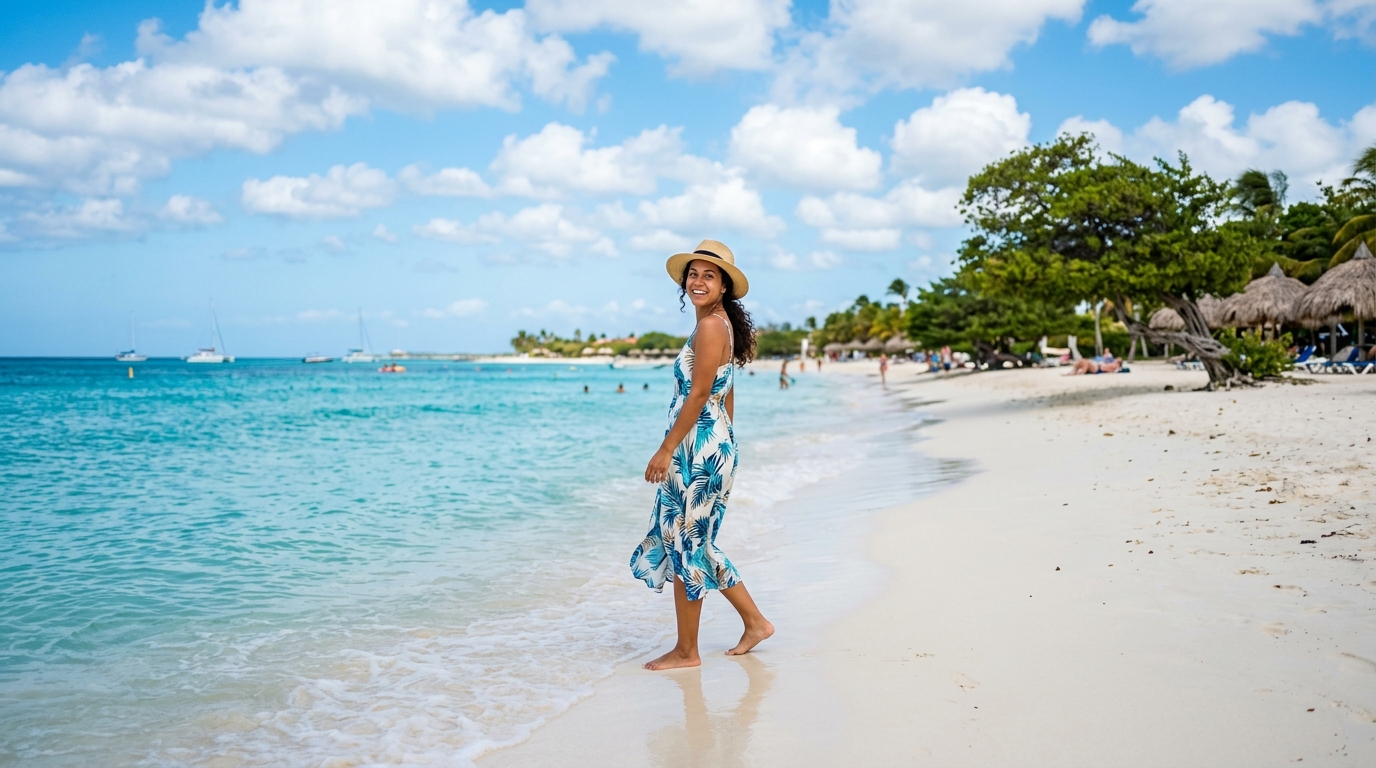
- January: Peak Season Reality Check
January represents what most people consider the best time to visit Aruba, and honestly, they're not wrong about the weather. You'll get about 82°F days, almost zero rain, and those famous trade winds keeping your beach experience comfortable. The problem? Everyone else figured this out too.
Expect resort prices to be at their absolute highest during this peak season month, restaurants packed with reservations booked weeks in advance, and beaches that look like a college spring break commercial. If you're okay dropping serious cash and dealing with crowds for guaranteed perfect weather, January works. Just don't expect any deals, and book everything way in advance.
- February: Still Expensive, Still Worth It
February keeps the January weather party going with virtually identical conditions. You're looking at the same 82°F perfection, almost no rain, and constant sunshine. This is actually my pick for the absolute best time of year to go to Aruba weather-wise, but your wallet might disagree with this peak season timing.
The crowds thin out slightly after the first week (once the New Year's resolution crowd gives up), but prices stay sky-high through the entire month. This is also prime Carnival season in Aruba, when the island comes alive with parades and festivities. Pro tip: if you're going in February anyway, consider what other islands offer during this peak month to make sure Aruba's really worth the premium.
- March: The Sweet Spot for Many
March hits that sweet spot where the weather stays fantastic but spring break crowds start to ease up just a tiny bit later in the month. You're still in prime high season with temps around 83°F and minimal rain, but once spring break winds down, you might actually find a good restaurant table without a reservation.
Prices remain at peak season rates, but if you book accommodations early (like, months early), you can sometimes snag better deals than you'd find in January or February. The trade winds pick up slightly, which is either perfect for windsurfing or annoying for beach lounging, depending on your vibe. March also wraps up Carnival season with the final parade celebrations.
- April: Weather Perfection Meets Slightly Better Prices
April might be my secret favorite time to go to Aruba. The weather stays absolutely perfect, temperatures hover around 84°F, and you get maybe one day of light rain if you're unlucky. But here's the kicker: tourists start heading home, so you get that perfect beach weather without fighting for a chair.
Hotel prices begin their slow descent from peak season madness, and restaurants get back to normal service levels. The trade winds stay consistent, keeping humidity in check. This marks the transition from high season to shoulder season, making it one of the popular times to visit for smart travelers. If you can swing April vacation time, this is seriously underrated timing for the best time to travel to Aruba.
- May: When Smart Travelers Show Up
May is when things get interesting and marks the beginning of shoulder season. Officially, this kicks off "wet season," but don't let that scare you off from what can be one of the popular times to visit for budget-conscious travelers. We're talking maybe 3-4 days of brief showers for the entire month, and temperatures stay a comfortable 85°F. The real win? Prices drop significantly.
You'll save 30-40% on accommodations compared to high season, crowds thin out dramatically, and the island feels more relaxed overall. The trade-off is slightly higher humidity and the occasional afternoon shower, but honestly, a 20-minute rain break can be refreshing when you've been baking on the beach all day. May kicks off the shoulder season months that offer excellent value.
- June: Summer Heat Without Summer Crowds
June cranks up the heat to around 86°F as summer months begin, but those trade winds keep things manageable. Rain becomes slightly more frequent, maybe 5-6 days of scattered showers, but we're still talking brief afternoon downpours that clear up fast. The humidity rises, but it's nothing compared to other Caribbean islands.
This is prime territory for budget travelers who can handle slightly less perfect conditions during shoulder season. Hotel rates stay low, attractions are less crowded, and you get that authentic local vibe without cruise ship crowds overwhelming everything. June can be fantastic across the Caribbean if you pick the right islands.
- July: Hot, Humid, but Surprisingly Great
July brings the year's hottest temperatures (87°F) and highest humidity during what's definitely low season, but here's what surprised me: it's still totally doable. Those constant trade winds prevent the oppressive stickiness you get on other islands, and resort pools become your best friend during midday heat.
Rain increases to about 7-8 days of scattered showers, but they're typically quick afternoon storms that cool things down. Prices stay low, crowds are minimal, and if you can handle sweating a bit more during beach walks, July offers serious value for money when you travel to Aruba. It's part of that April to August stretch where you'll find the best deals if you can handle warmer weather.
- August: The Sweatiest Month (But Cheapest Too)
August is Aruba's sweatiest, most humid month, with temperatures hitting 88°F and humidity that actually makes you notice it. Rain becomes more regular, maybe 8-10 days of showers, though still brief and manageable. This definitely isn't the best time to go to Aruba if you need perfect weather.
But if you can handle some sweat and occasional rain, August offers the year's best deals during low season. We're talking 50% off peak season prices, empty beaches, and restaurants that actually want your business. Just pack extra deodorant and embrace the afternoon pool breaks. August caps off that April to August period where savings are maximized.
- September: Shoulder Season Begins
September starts cooling things down slightly to 87°F as we move into shoulder season, though humidity stays high and rain continues at about 8-9 days per month. This marks the transition where weather in Aruba improves gradually but prices stay low.
You'll still deal with occasional afternoon showers and higher humidity, but temperatures become more bearable and that brutal August heat breaks. It's a good compromise month for travelers who want decent conditions without high season prices. September offers slightly cooler temperatures than the peak summer months while maintaining low season affordability.
- October: The Overlooked Winner
October might be the most underrated time of year to go to Aruba. Temperatures drop to a very pleasant 86°F, humidity decreases noticeably, and while you'll still see 6-7 rainy days, the showers become shorter and less frequent during this shoulder season month.
Prices stay at shoulder season levels (way cheaper than peak), crowds remain minimal, and the weather feels significantly more comfortable than summer months. This is prime territory for travelers who want good beach conditions and value without the peak season circus. October delivers slightly cooler temperatures that make beach time more comfortable.
- November: Almost Peak Weather, Not Peak Prices
November brings temperatures back down to 84°F and marks one of the best times to travel to Aruba for weather-conscious budget travelers. Humidity drops to comfortable levels, and rain decreases to maybe 4-5 days of light showers. Essentially, you're getting near-high season weather at shoulder season prices.
The only downside is slightly more wind, which can make beach days less relaxing if you're not into the constant breeze. But for windsurfing and kitesurfing enthusiasts, November is absolutely perfect. Hotel prices start climbing as peak season approaches, so book early for the best deals.
- December: Peak Season Returns
December brings back high season conditions: 83°F temperatures, minimal rain (2-3 days max), low humidity, and picture-perfect beach weather. It also brings back peak season crowds and prices, especially after mid-month when holiday travelers arrive for what many consider the best time to visit Aruba.
If you're going in December anyway, book as early as possible and prepare for higher costs across the board. The weather is undeniably fantastic, but you'll pay for that reliability. Early December offers slightly better deals before the holiday rush kicks in.
Special Considerations for Timing Your Aruba Trip
Hurricane Season Reality
Let's address the elephant in the room: hurricane season officially runs June through November, and Aruba sits right in the middle of it. But here's the thing, Aruba is so far south that major hurricanes almost never hit it directly. In my years of visiting, I've seen maybe two storms that caused any real disruption.
The bigger risk is peripheral effects from storms hitting other islands, mostly increased wind and scattered rain. But compared to places like the Bahamas or Jamaica, Aruba's hurricane risk is minimal. Don't let official hurricane season scare you off the shoulder season deals when choosing your time to travel to Aruba. The island's year-round stability makes it one of the safest Caribbean destinations during storm season.
Wind Patterns and Water Sports
Aruba's trade winds blow consistently year-round, but they peak from December through March during high season. This is fantastic if you're into windsurfing, kitesurfing, or sailing. It's less fantastic if you want perfectly calm beach days or are sensitive to constant breeze.
The wind dies down significantly from May through September during the summer months, making those times better for calm water activities like snorkeling or just floating around without getting sandblasted. Consider your priorities when choosing the best time of year to visit. Those trade winds are what keep Aruba comfortable year-round, but they can definitely impact your beach experience.
Carnival Season and Special Events
Aruba's Carnival runs from January through March, with the main parade and festivities typically happening in February or early March. If you want to experience this vibrant celebration, plan your trip during peak season. The parade is absolutely spectacular, but it does bring extra crowds and higher prices to an already busy time of year.
If crowds and higher prices aren't your thing, you might want to avoid these popular times to visit. But if you've never experienced Caribbean Carnival, the energy and celebration make it worth considering despite the peak season costs.
Frequently Asked Questions
What is the cheapest month to visit Aruba?
August and September offer the lowest prices during low season, with hotel rates dropping 40-50% compared to peak season. You'll deal with higher humidity and more frequent (but brief) rain showers, but if budget is your main concern, these months deliver serious savings. May and October are good compromise months with better weather and still-reasonable prices during shoulder season.
When should I avoid visiting Aruba?
Honestly? There's no time of year I'd tell you to completely avoid when planning the best time to go to Aruba. Even August, the sweatiest and rainiest month, only sees about 10 days of scattered showers and temperatures that are hot but not unbearable thanks to those year-round trade winds. If you absolutely need perfect weather and hate crowds, avoid January through March. If you can't handle humidity and frequent rain, skip the summer months from July through September.
Is Aruba good to visit during hurricane season?
Yes, surprisingly good. Aruba sits outside the main hurricane belt and rarely experiences direct hits from major storms. You might see increased wind or rain from nearby systems, but it's nothing like what other Caribbean islands deal with. Hurricane season in Aruba is more about savings and smaller crowds than weather disasters, making it a viable time to travel to Aruba for budget-conscious visitors.
How many days of rain should I expect in Aruba?
Even in the wettest months (August and September), you're looking at maybe 8-10 days with some rain, and most of it comes as brief afternoon showers that rarely affect beach plans. During high season (December through April), you might see 1-3 rainy days per month, if any. Aruba's rainfall patterns are incredibly predictable and rarely disrupt vacation plans significantly.
What should I pack for different seasons in Aruba?
High season (December through April): Light summer clothes, reef-safe sunscreen, and maybe a light jacket for evening breezes. Low season and shoulder season (May through November): Same basics plus a light rain jacket or umbrella, extra deodorant, and breathable fabrics. Year-round essentials for any time you go to Aruba include strong sunscreen, a hat, and comfortable walking shoes that can handle sand and occasional wet surfaces. The consistent year-round temperatures mean you can pack the same basic wardrobe regardless of when you travel to Aruba.
If you're timing your trip around storm season, it helps to know why Aruba sits outside the main hurricane belt that affects so much of the Caribbean.
Share this Rant:
Frequently Asked Questions
What is the cheapest month to visit Aruba?
August and September offer the lowest prices during low season, with hotel rates dropping 40-50% compared to peak season. You'll deal with higher humidity and more frequent (but brief) rain showers, but if budget is your main concern, these months deliver serious savings. May and October are good compromise months with better weather and still-reasonable prices during shoulder season.
When should I avoid visiting Aruba?
Honestly? There's no time of year I'd tell you to completely avoid when planning the best time to go to Aruba. Even August, the sweatiest and rainiest month, only sees about 10 days of scattered showers and temperatures that are hot but not unbearable thanks to those year-round trade winds. If you absolutely need perfect weather and hate crowds, avoid January through March. If you can't handle humidity and frequent rain, skip the summer months from July through September.
Is Aruba good to visit during hurricane season?
Yes, surprisingly good. Aruba sits outside the main hurricane belt and rarely experiences direct hits from major storms. You might see increased wind or rain from nearby systems, but it's nothing like what other Caribbean islands deal with. Hurricane season in Aruba is more about savings and smaller crowds than weather disasters, making it a viable time to travel to Aruba for budget-conscious visitors.
How many days of rain should I expect in Aruba?
Even in the wettest months (August and September), you're looking at maybe 8-10 days with some rain, and most of it comes as brief afternoon showers that rarely affect beach plans. During high season (December through April), you might see 1-3 rainy days per month, if any. Aruba's rainfall patterns are incredibly predictable and rarely disrupt vacation plans significantly.
What should I pack for different seasons in Aruba?
High season (December through April): Light summer clothes, reef-safe sunscreen, and maybe a light jacket for evening breezes. Low season and shoulder season (May through November): Same basics plus a light rain jacket or umbrella, extra deodorant, and breathable fabrics. Year-round essentials for any time you go to Aruba include strong sunscreen, a hat, and comfortable walking shoes that can handle sand and occasional wet surfaces. The consistent year-round temperatures mean you can pack the same basic wardrobe regardless of when you travel to Aruba.
What is the cheapest month to visit Aruba?
August and September offer the lowest prices during low season, with hotel rates dropping 40-50% compared to peak season. You'll deal with higher humidity and more frequent (but brief) rain showers, but if budget is your main concern, these months deliver serious savings. May and October are good compromise months with better weather and still-reasonable prices during shoulder season.
When should I avoid visiting Aruba?
Honestly? There's no time of year I'd tell you to completely avoid when planning the best time to go to Aruba. Even August, the sweatiest and rainiest month, only sees about 10 days of scattered showers and temperatures that are hot but not unbearable thanks to those year-round trade winds. If you absolutely need perfect weather and hate crowds, avoid January through March. If you can't handle humidity and frequent rain, skip the summer months from July through September.
Is Aruba good to visit during hurricane season?
Yes, surprisingly good. Aruba sits outside the main hurricane belt and rarely experiences direct hits from major storms. You might see increased wind or rain from nearby systems, but it's nothing like what other Caribbean islands deal with. Hurricane season in Aruba is more about savings and smaller crowds than weather disasters, making it a viable time to travel to Aruba for budget-conscious visitors.
How many days of rain should I expect in Aruba?
Even in the wettest months (August and September), you're looking at maybe 8-10 days with some rain, and most of it comes as brief afternoon showers that rarely affect beach plans. During high season (December through April), you might see 1-3 rainy days per month, if any. Aruba's rainfall patterns are incredibly predictable and rarely disrupt vacation plans significantly.
What should I pack for different seasons in Aruba?
High season (December through April): Light summer clothes, reef-safe sunscreen, and maybe a light jacket for evening breezes. Low season and shoulder season (May through November): Same basics plus a light rain jacket or umbrella, extra deodorant, and breathable fabrics. Year-round essentials for any time you go to Aruba include strong sunscreen, a hat, and comfortable walking shoes that can handle sand and occasional wet surfaces. The consistent year-round temperatures mean you can pack the same basic wardrobe regardless of when you travel to Aruba.
What is the cheapest month to visit Aruba?
August and September offer the lowest prices during low season, with hotel rates dropping 40-50% compared to peak season. You'll deal with higher humidity and more frequent (but brief) rain showers, but if budget is your main concern, these months deliver serious savings. May and October are good compromise months with better weather and still-reasonable prices during shoulder season.
When should I avoid visiting Aruba?
Honestly? There's no time of year I'd tell you to completely avoid when planning the best time to go to Aruba. Even August, the sweatiest and rainiest month, only sees about 10 days of scattered showers and temperatures that are hot but not unbearable thanks to those year-round trade winds. If you absolutely need perfect weather and hate crowds, avoid January through March. If you can't handle humidity and frequent rain, skip the summer months from July through September.
Is Aruba good to visit during hurricane season?
Yes, surprisingly good. Aruba sits outside the main hurricane belt and rarely experiences direct hits from major storms. You might see increased wind or rain from nearby systems, but it's nothing like what other Caribbean islands deal with. Hurricane season in Aruba is more about savings and smaller crowds than weather disasters, making it a viable time to travel to Aruba for budget-conscious visitors.
How many days of rain should I expect in Aruba?
Even in the wettest months (August and September), you're looking at maybe 8-10 days with some rain, and most of it comes as brief afternoon showers that rarely affect beach plans. During high season (December through April), you might see 1-3 rainy days per month, if any. Aruba's rainfall patterns are incredibly predictable and rarely disrupt vacation plans significantly.
What should I pack for different seasons in Aruba?
High season (December through April): Light summer clothes, reef-safe sunscreen, and maybe a light jacket for evening breezes. Low season and shoulder season (May through November): Same basics plus a light rain jacket or umbrella, extra deodorant, and breathable fabrics. Year-round essentials for any time you go to Aruba include strong sunscreen, a hat, and comfortable walking shoes that can handle sand and occasional wet surfaces. The consistent year-round temperatures mean you can pack the same basic wardrobe regardless of when you travel to Aruba.
What is the cheapest month to visit Aruba?
August and September offer the lowest prices during low season, with hotel rates dropping 40-50% compared to peak season. You'll deal with higher humidity and more frequent (but brief) rain showers, but if budget is your main concern, these months deliver serious savings. May and October are good compromise months with better weather and still-reasonable prices during shoulder season.
When should I avoid visiting Aruba?
Honestly? There's no time of year I'd tell you to completely avoid when planning the best time to go to Aruba. Even August, the sweatiest and rainiest month, only sees about 10 days of scattered showers and temperatures that are hot but not unbearable thanks to those year-round trade winds. If you absolutely need perfect weather and hate crowds, avoid January through March. If you can't handle humidity and frequent rain, skip the summer months from July through September.
Is Aruba good to visit during hurricane season?
Yes, surprisingly good. Aruba sits outside the main hurricane belt and rarely experiences direct hits from major storms. You might see increased wind or rain from nearby systems, but it's nothing like what other Caribbean islands deal with. Hurricane season in Aruba is more about savings and smaller crowds than weather disasters, making it a viable time to travel to Aruba for budget-conscious visitors.
How many days of rain should I expect in Aruba?
Even in the wettest months (August and September), you're looking at maybe 8-10 days with some rain, and most of it comes as brief afternoon showers that rarely affect beach plans. During high season (December through April), you might see 1-3 rainy days per month, if any. Aruba's rainfall patterns are incredibly predictable and rarely disrupt vacation plans significantly.
What should I pack for different seasons in Aruba?
High season (December through April): Light summer clothes, reef-safe sunscreen, and maybe a light jacket for evening breezes. Low season and shoulder season (May through November): Same basics plus a light rain jacket or umbrella, extra deodorant, and breathable fabrics. Year-round essentials for any time you go to Aruba include strong sunscreen, a hat, and comfortable walking shoes that can handle sand and occasional wet surfaces. The consistent year-round temperatures mean you can pack the same basic wardrobe regardless of when you travel to Aruba.
What is the cheapest month to visit Aruba?
August and September offer the lowest prices during low season, with hotel rates dropping 40-50% compared to peak season. You'll deal with higher humidity and more frequent (but brief) rain showers, but if budget is your main concern, these months deliver serious savings. May and October are good compromise months with better weather and still-reasonable prices during shoulder season.
When should I avoid visiting Aruba?
Honestly? There's no time of year I'd tell you to completely avoid when planning the best time to go to Aruba. Even August, the sweatiest and rainiest month, only sees about 10 days of scattered showers and temperatures that are hot but not unbearable thanks to those year-round trade winds. If you absolutely need perfect weather and hate crowds, avoid January through March. If you can't handle humidity and frequent rain, skip the summer months from July through September.
Is Aruba good to visit during hurricane season?
Yes, surprisingly good. Aruba sits outside the main hurricane belt and rarely experiences direct hits from major storms. You might see increased wind or rain from nearby systems, but it's nothing like what other Caribbean islands deal with. Hurricane season in Aruba is more about savings and smaller crowds than weather disasters, making it a viable time to travel to Aruba for budget-conscious visitors.
How many days of rain should I expect in Aruba?
Even in the wettest months (August and September), you're looking at maybe 8-10 days with some rain, and most of it comes as brief afternoon showers that rarely affect beach plans. During high season (December through April), you might see 1-3 rainy days per month, if any. Aruba's rainfall patterns are incredibly predictable and rarely disrupt vacation plans significantly.
What should I pack for different seasons in Aruba?
High season (December through April): Light summer clothes, reef-safe sunscreen, and maybe a light jacket for evening breezes. Low season and shoulder season (May through November): Same basics plus a light rain jacket or umbrella, extra deodorant, and breathable fabrics. Year-round essentials for any time you go to Aruba include strong sunscreen, a hat, and comfortable walking shoes that can handle sand and occasional wet surfaces. The consistent year-round temperatures mean you can pack the same basic wardrobe regardless of when you travel to Aruba.
What is the cheapest month to visit Aruba?
August and September offer the lowest prices during low season, with hotel rates dropping 40-50% compared to peak season. You'll deal with higher humidity and more frequent (but brief) rain showers, but if budget is your main concern, these months deliver serious savings. May and October are good compromise months with better weather and still-reasonable prices during shoulder season.
When should I avoid visiting Aruba?
Honestly? There's no time of year I'd tell you to completely avoid when planning the best time to go to Aruba. Even August, the sweatiest and rainiest month, only sees about 10 days of scattered showers and temperatures that are hot but not unbearable thanks to those year-round trade winds. If you absolutely need perfect weather and hate crowds, avoid January through March. If you can't handle humidity and frequent rain, skip the summer months from July through September.
Is Aruba good to visit during hurricane season?
Yes, surprisingly good. Aruba sits outside the main hurricane belt and rarely experiences direct hits from major storms. You might see increased wind or rain from nearby systems, but it's nothing like what other Caribbean islands deal with. Hurricane season in Aruba is more about savings and smaller crowds than weather disasters, making it a viable time to travel to Aruba for budget-conscious visitors.
How many days of rain should I expect in Aruba?
Even in the wettest months (August and September), you're looking at maybe 8-10 days with some rain, and most of it comes as brief afternoon showers that rarely affect beach plans. During high season (December through April), you might see 1-3 rainy days per month, if any. Aruba's rainfall patterns are incredibly predictable and rarely disrupt vacation plans significantly.
What should I pack for different seasons in Aruba?
High season (December through April): Light summer clothes, reef-safe sunscreen, and maybe a light jacket for evening breezes. Low season and shoulder season (May through November): Same basics plus a light rain jacket or umbrella, extra deodorant, and breathable fabrics. Year-round essentials for any time you go to Aruba include strong sunscreen, a hat, and comfortable walking shoes that can handle sand and occasional wet surfaces. The consistent year-round temperatures mean you can pack the same basic wardrobe regardless of when you travel to Aruba.
Comments (0)
No comments yet. Be the first to complain.