Is Aruba Expensive? Real Cost of Living & Travel Breakdown + Money-Saving Tips (2024) | CaribVisitor
Is Aruba expensive? Get the real breakdown of costs for accommodation, food, activities & transport. Plus insider tips to save money without ruining your trip.
Is Aruba Expensive? Real Cost of Living & Travel Breakdown + Money-Saving Tips That Actually Work (2024)
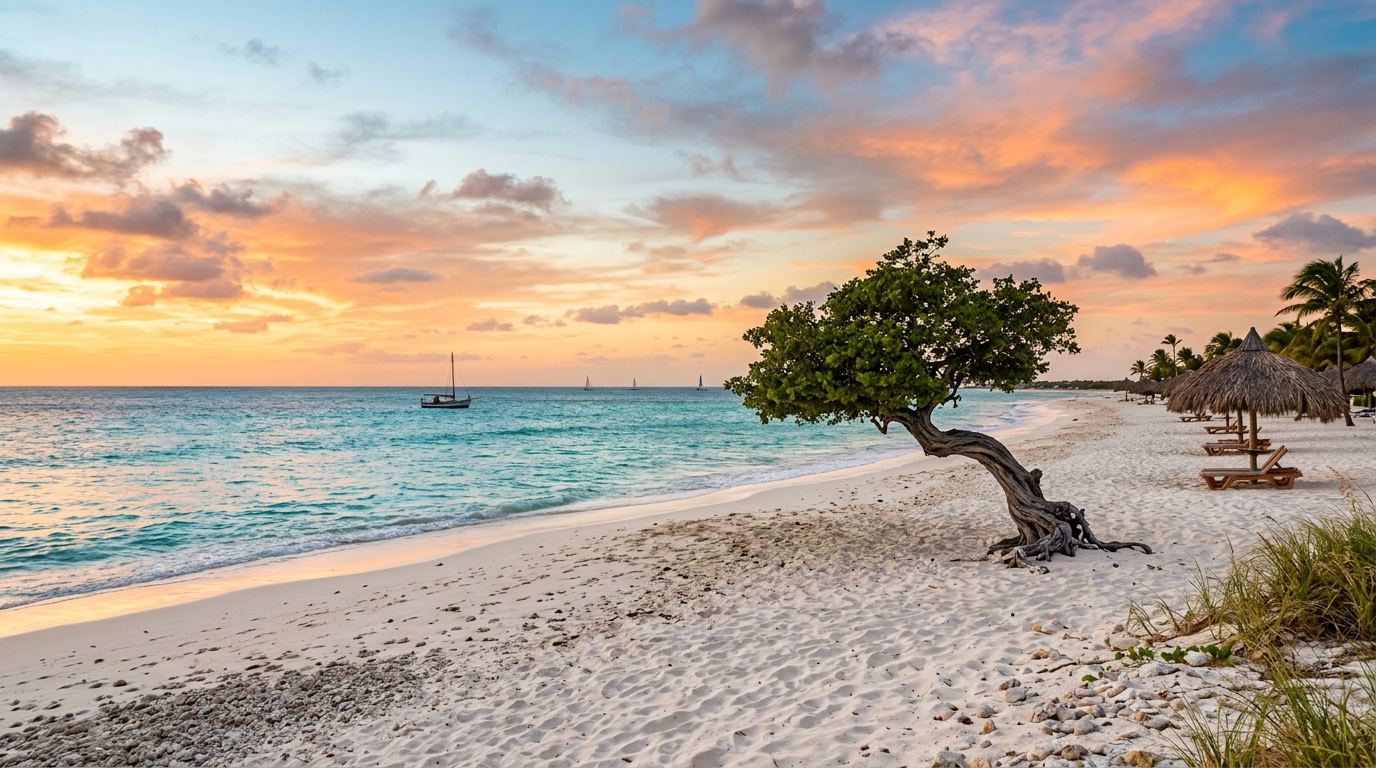
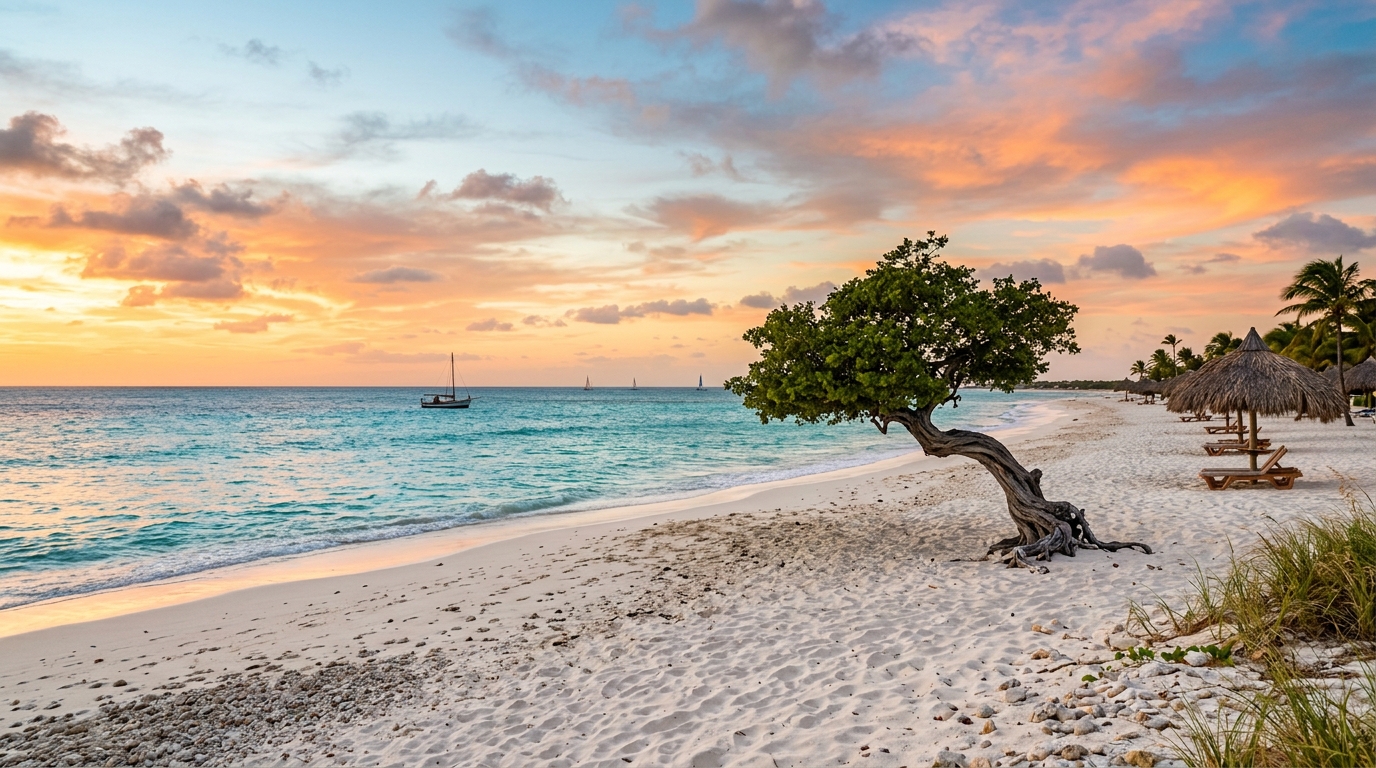
Let me cut straight to the chase: yes, Aruba is expensive. But before you start shopping for flights to cheaper destinations, hear me out. I've been visiting this island for over a decade, and I've learned exactly where your money goes and how to make it stretch without turning your vacation into a budget nightmare.
The thing about Aruba is that it's not accidentally expensive like some Caribbean islands where everything costs twice what it should because of poor planning. Aruba is strategically expensive because it can be. The weather is reliably perfect, it's outside the hurricane belt, and the infrastructure actually works. You're paying a premium for reliability, and honestly? Sometimes that's worth it.
The cost of living in Aruba affects every aspect of your trip, from your beachfront accommodation to that simple grocery run. Whether you're planning to live in Aruba temporarily through vacation rentals or just want to understand what makes this Caribbean paradise so pricey, understanding the real costs helps you budget smarter. Here's what things actually cost and how to navigate Aruba without your credit card melting.
How Much Does Aruba Actually Cost? The Real Numbers
I'm going to give you the numbers that travel blogs usually dance around. These are real costs I've tracked over multiple trips, not the sanitized estimates you'll find elsewhere. All prices are in USD since that's what most tourists are working with, and every traveler should know these numbers before booking.
Daily Budget for Two People
Budget travelers: $200-250 per day (and you'll be making compromises)
Mid-range travelers: $350-450 per day (this is the sweet spot where you can actually enjoy yourself)
Luxury travelers: $600+ per day (sky's the limit, obviously)
These numbers include accommodation, food, drinks, activities, and transportation. Notice I said "for two people" because solo travel in Aruba gets expensive fast since you can't split costs. If you're planning a trip to Aruba for a week, multiply these daily rates by seven for a realistic total. This is comparable to what you'd spend in high-end Caribbean destinations, but Aruba delivers more reliable experiences.
Hotel and Resort Costs
Budget hotels: $100-150 per night (think basic but clean, probably not beachfront)
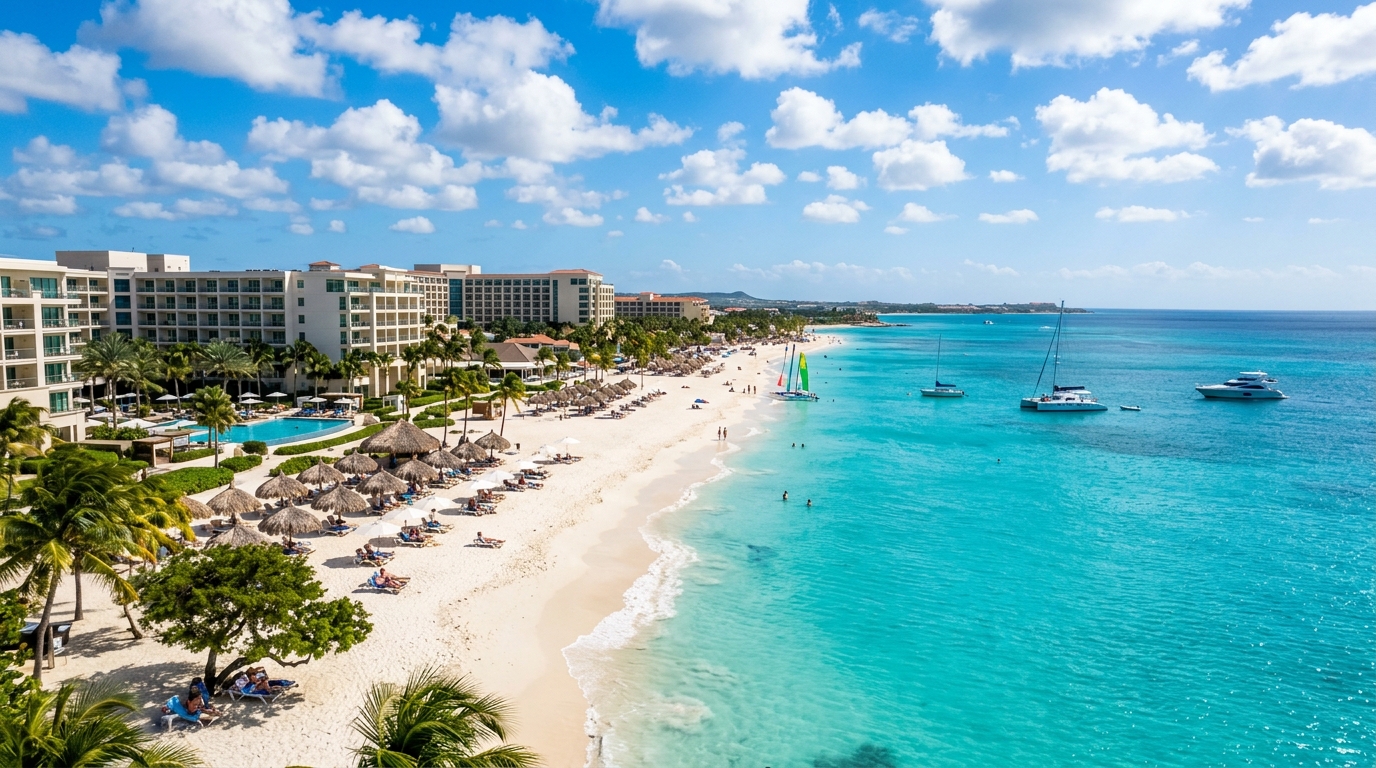
Mid-range resorts: $200-400 per night (decent location, pool, maybe beach access)
Luxury resorts: $500-1000+ per night (the full Aruba experience with all the bells and whistles)
Peak season (December through April) adds about 30-40% to these pricing levels. Smart booking during shoulder season can save you serious money. If you're looking for boutique hotels with character, expect to pay premium prices but get a more authentic experience than the mega-resorts. Many travelers find that booking accommodation well in advance helps secure better rates.
Food and Dining Expenses
Breakfast: $15-25 per person at hotels, $8-12 at local spots
Lunch: $20-35 per person at tourist restaurants, $10-15 at local eateries
Dinner: $40-80 per person at nice restaurants, $15-25 at local places
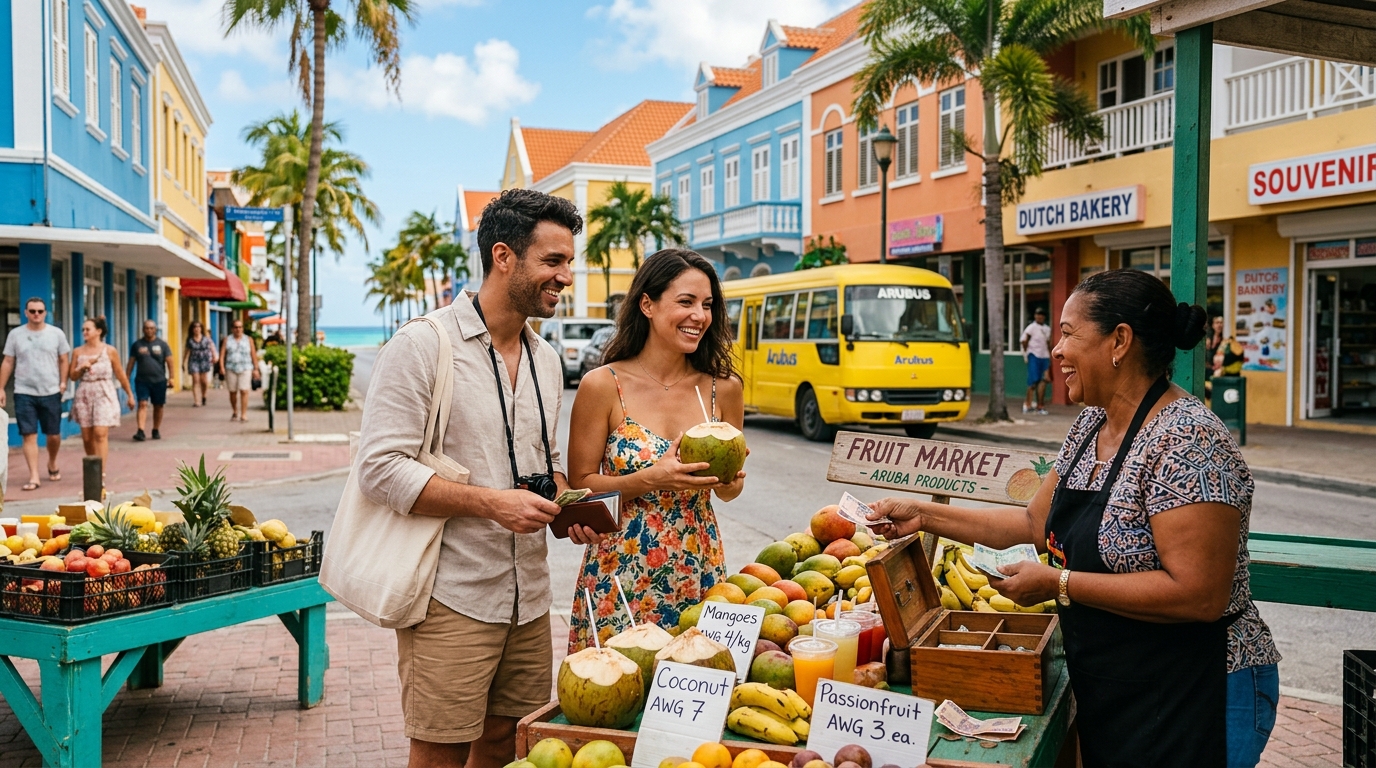
Groceries for a week: $150-200 for two people (if you have kitchen access)
The markup on imported food is brutal, but there are ways around it. Local fish and Caribbean specialties are usually your best value, while anything that had to be flown in will cost a fortune. The high cost of living in Aruba means even basic grocery items will shock you with their pricing. Smart travelers learn to dine strategically, mixing restaurant meals with grocery purchases.
Activities and Entertainment
Snorkeling tours: $45-65 per person
Sunset sailing: $55-75 per person
ATV tours: $85-120 per person
Deep-sea fishing: $150-200 per person for half day
Beach equipment rental: $25-40 per day for chairs and umbrellas
The good news? Some of the best things to do cost nothing. The beaches are free, walking around Oranjestad doesn't cost anything, and watching the sunset from any west-facing beach is priceless. Every tourist should take advantage of these free activities to balance their travel and living expenses.
Transportation Costs
Rental car: $35-60 per day (plus gas at about $1.20 per liter)
Taxi from airport to hotel zone: $25-35
Local bus: $2.60 per ride (cheapest way to get around)
Uber/taxi for dinner: $15-25 each way within the hotel zones
A rental car gives you the most freedom when you travel to Aruba, but parking at popular beaches can cost $5-10. The local bus system is reliable and cheap if you're not in a hurry and want to save on transportation costs.
Why Is Aruba So Expensive?
Understanding why Aruba is expensive helps you make smarter spending decisions. It's not just greedy businesses (though some of that exists too). The cost of living reflects real economic factors that every tourist experiences.
Everything Is Imported
Aruba produces almost nothing locally except salt and aloe. Your breakfast cereal, that bottle of water, even the lumber for your hotel room came from somewhere else. Import duties, shipping costs, and the fact that everything has to survive a boat ride in Caribbean heat all add to the final pricing.
This is why a bottle of Heineken costs $4 at a restaurant but a local Balashi beer might be $3. It's also why local fish dishes are often better value than that imported steak you're eyeing. The import-heavy economy drives up the cost of living dramatically compared to islands that produce more locally. Every traveler notices this when they visit Aruba and see grocery prices.
Limited Competition
Aruba is small, and there are only so many restaurants, hotels, and activity providers. When you have a captive audience of tourists with limited options, prices tend to stay high. It's basic economics, and it's not changing anytime soon.
High Operating Costs
Running a business in the Caribbean isn't cheap. Electricity costs are high (all that air conditioning), water is expensive (it's mostly desalinated), and importing staff or supplies costs extra. These costs get passed on to you, the tourist. The cost of living in Aruba affects businesses just as much as visitors.
Smart Ways to Save Money in Aruba
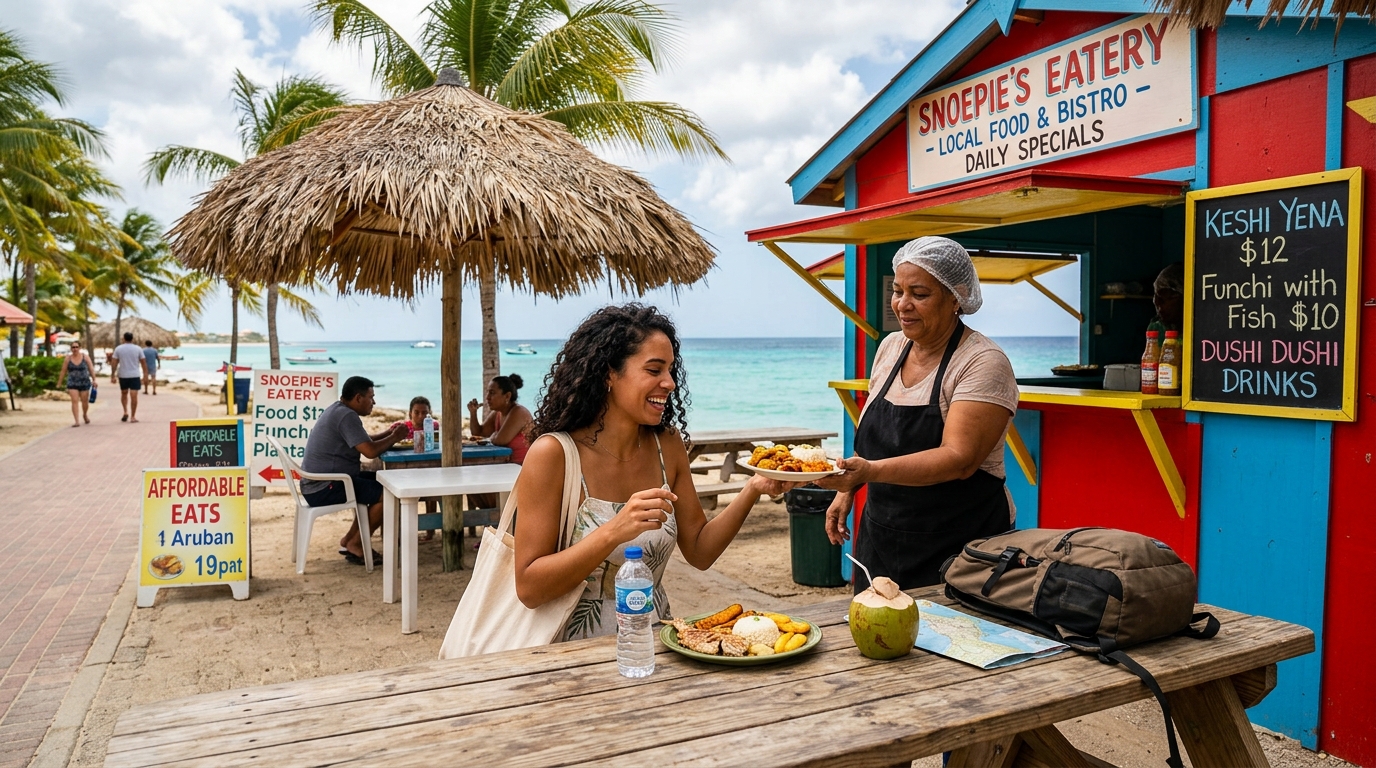
Here's where I share the tricks I've learned from years of visiting without going broke. These aren't the usual "eat at food trucks" tips you'll find everywhere else (though food trucks can be great for budget travelers and offer authentic Caribbean flavors).
Time Your Visit Right
Visiting during shoulder season can save you 30-40% on hotels and flights. May through November offers better deals, and while it's hurricane season elsewhere, Aruba stays dry and beautiful.
Avoid major holidays and school vacation weeks when possible. Presidents Day week, spring break, and the weeks around Christmas and New Year are when pricing peaks and every traveler seems to descend on the island.
Book Tuesday through Thursday flights if possible. Weekend flights cost significantly more, especially if you're coming from the East Coast. Smart booking timing can dramatically reduce your overall trip to Aruba costs.
Choose Your Accommodation Strategy
All-inclusive resorts can actually save money if you're a heavy drinker and plan to eat most meals on property. Run the math on what you'd spend separately versus the all-inclusive rate. Many travelers find this option helps control costs when you travel to Aruba.
Vacation rentals with kitchens let you save on some meals, but factor in grocery costs (remember, everything's imported). A condo for a week often costs less per night than hotels and gives you more space to spread out.
Consider staying slightly inland or away from Palm Beach. You'll save money and get a more authentic feel, with easy bus access to the beaches. Sometimes the best accommodation deals are away from the main tourist strips, and you'll still have easy beach access.
Eat Like a Local (Sometimes)
Seek out local lunch spots away from the tourist strips. Places like Zeerovers for fresh fish or local Chinese restaurants offer huge portions at reasonable pricing compared to resort dining. Food trucks around the island serve authentic Caribbean cuisine at tourist-friendly prices.
Hit up supermarkets for breakfast items, snacks, and drinks. Ling & Sons or Super Food are good options with reasonable pricing for imported goods, though you'll still pay more than home. Every traveler should do at least some grocery shopping to offset restaurant costs.
Try the local fish markets for incredibly fresh seafood at a fraction of restaurant prices. Some will even cook your purchase for a small fee.
Don't skip restaurant meals entirely though. Aruba has amazing dining, and it's part of the experience. Just be strategic about when you splurge and when you dine more simply. The Caribbean food scene here is worth experiencing.
Transportation Hacks
The local bus system is reliable, air-conditioned, and costs $2.60 per ride. It covers all the major hotel areas and beaches. Buy an Aruba Smart Card for easier payment and to feel less like a tourist fumbling with change.
If you rent a car, fill up at gas stations away from the airport and tourist areas. Prices can vary by 10-15 cents per liter, which adds up over a week.
Many hotels offer free shuttle services to popular beaches or shopping areas. Ask at the front desk before calling a taxi. This is especially valuable when you visit Aruba on a budget.
Activity and Entertainment Savings
Book snorkeling trips through local operators rather than your hotel's concierge. You'll often save 20-30% and get a more personal experience with smaller groups. Smart booking directly with operators cuts out resort markups.
Many beaches offer free snorkeling right from shore. Arashi Beach and Malmok Beach have great reef access without needing a boat tour, saving you $50+ per person. The beach access alone makes Aruba worth visiting.
Happy hour specials are common and can stretch your drink budget. Many beachfront bars offer 2-for-1 drinks during sunset hours.
Free activities include hiking to the Natural Pool (though you need transportation to get there), exploring downtown Oranjestad, and beach hopping along the western coast. Every tourist should take advantage of these no-cost experiences.
When Aruba Is Worth the Extra Cost
Sometimes paying more gets you something genuinely better. Here's when the Aruba premium actually makes sense for the average traveler, and why expensive is Aruba might still be worth it.
Reliable Weather
Unlike most Caribbean islands, Aruba sits outside the hurricane belt and has consistent weather year-round. You're paying for the peace of mind that your vacation won't get washed out. The weather is predictably perfect almost 350 days a year. This reliability is comparable to few other Caribbean destinations.
Infrastructure That Works
The roads are good, the internet works, the power stays on, and the water is safe to drink. These might seem like basics, but they're not guaranteed everywhere in the Caribbean. You're paying for a vacation where logistics don't become your problem.
Safety and Security
Aruba has very low crime rates and excellent tourist police. You can walk around at night, leave your rental car unlocked at the beach (though I don't recommend it), and generally not worry about your safety. That peace of mind has value when you visit Aruba, especially compared to destinations like Jamaica where safety concerns can limit your activities.
Comparing Aruba to Other Caribbean Islands
To put Aruba's costs in perspective, let me compare it to other popular Caribbean destinations I visit regularly. This helps answer the question "how expensive is Aruba" relative to your other options.
Aruba vs More Expensive Islands
Barbados, St. Barts, and the Bahamas can all be significantly more expensive than Aruba, especially for dining and activities. Comparing Aruba to the Bahamas, Aruba often offers better value for similar experiences and more reliable weather. The accommodation and restaurant pricing in these destinations makes Aruba look reasonable by comparison.
Aruba vs Less Expensive Options
Islands like Jamaica, Dominican Republic, and some of the smaller Eastern Caribbean islands offer lower prices but with trade-offs in infrastructure, safety, or weather reliability. Jamaica, in particular, can be significantly cheaper for food and accommodation, but you'll deal with more unpredictable weather and varying service quality. If budget is your main concern, there are definitely cheaper Caribbean options, but you get what you pay for. The cost of living differences between Aruba and Jamaica are substantial, but so are the experience differences.
Sample Aruba Budgets: Three Different Approaches
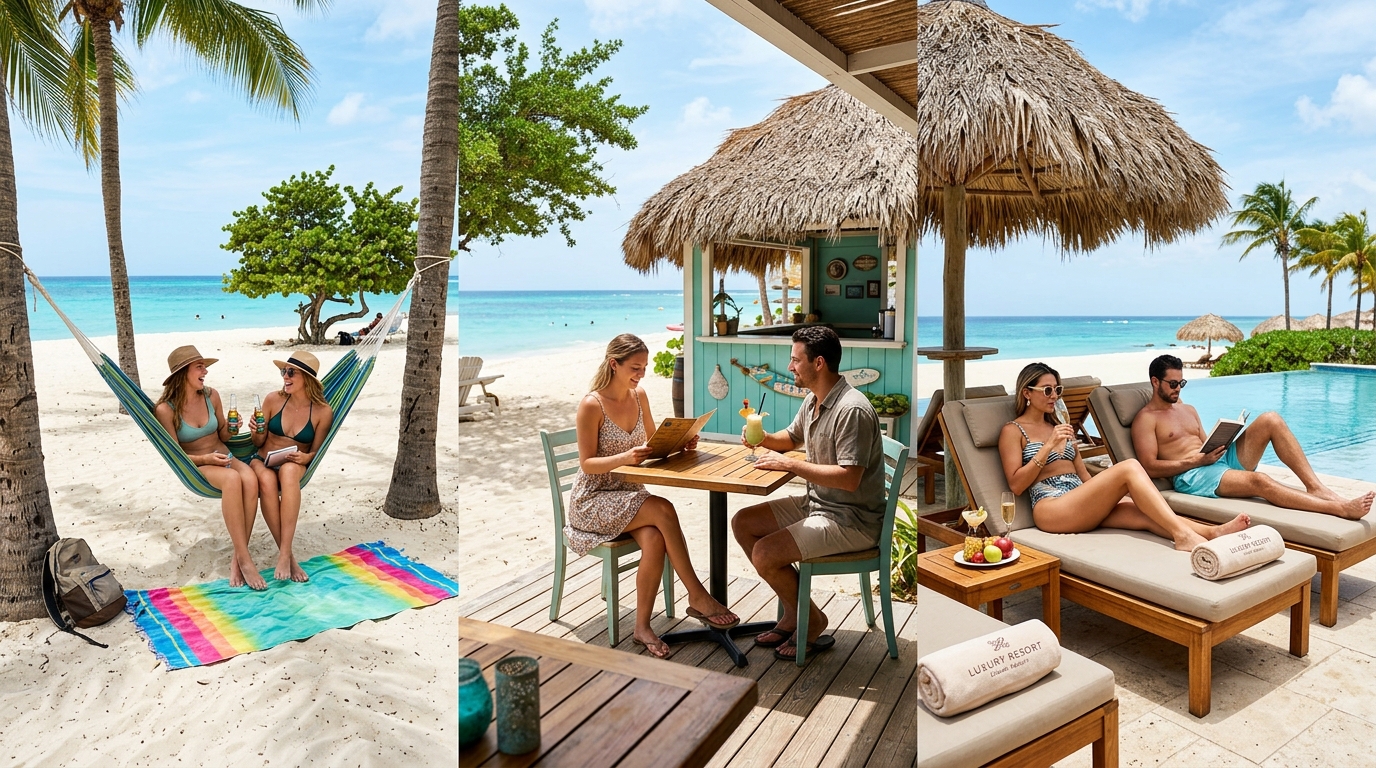
Here are three realistic budget scenarios for a week-long Aruba trip for two people, based on actual trips I've taken or planned. These show you exactly how expensive Aruba can be at different comfort levels and help you plan your travel and living expenses.
The Budget Approach ($1,400-1,750 for the week)
Stay at a budget hotel or vacation rental away from the beach ($100-125/night)
Eat breakfast and some lunches from grocery store purchases
Use local buses for transportation
Focus on free beach activities and one or two paid excursions
Dine at local spots and food trucks for most meals, avoiding tourist restaurant pricing
The Comfort Approach ($2,450-3,150 for the week)
Mid-range beachfront hotel or nice vacation rental with beach access ($200-300/night)
Mix of restaurant meals and some grocery purchases
Rental car for flexibility
Several activities like snorkeling tours and sunset sails
Regular restaurant dining with some splurge meals at Caribbean hotspots
The Luxury Approach ($4,200+ for the week)
High-end resort or luxury vacation rental with premium beach access ($500+/night)
Most meals at restaurants, including fine dining
Private transportation or rental car
Premium activities and spa treatments
Top-shelf drinks and no budget restrictions, comparable to other luxury Caribbean destinations
Aruba's prices make more sense once you know whether Aruba counts as its own country or falls under Dutch governance, which shapes everything from currency to import costs.
Share this Rant:
Comments (0)
No comments yet. Be the first to complain.