Safest Caribbean Islands to Visit in 2026: Low-Crime Picks and Smart Travel Tips
A practical guide to the safest Caribbean islands, including low-drama picks, hurricane-season strategy, and real safety habits for travelers.
Safest Caribbean Islands: Where You Can Relax Without Turning Your Vacation Into a Security Drill
If you searched safest caribbean islands, you are not being paranoid. You are being smart. Beaches are better when your shoulders are not up by your ears the whole trip.
Here is the honest version: no destination is risk-free, but some islands are clearly easier for first-time visitors, families, and people who want low-stress logistics. This guide focuses on practical safety, not fear-mongering headlines.
Quick answer: what are the safest Caribbean islands right now?
If you want a shortlist first, these are commonly strong picks for travelers who prioritize safety, tourism infrastructure, and lower day-to-day hassle:
Aruba (especially strong for first-timers)
Bonaire (quiet, low-key, dive-focused)
Barbados (organized tourism + good amenities)
Cayman Islands (well-developed visitor infrastructure)
Anguilla (calm atmosphere, smaller scale)
That does not mean every neighborhood on every island is equally safe. It means these destinations are generally viewed as safer Caribbean islands for travelers who use normal precautions.
How to think about safety in the Caribbean without getting misled
1) Country-level stats do not equal your exact resort area
Crime data can be useful, but it often hides a huge truth: tourist zones and local hotspots are not the same experience. You can have a low-crime beach district and a higher-risk area on the same island.
2) Violent crime and petty crime are different problems
Most travelers are far more likely to encounter petty theft than violent crime. Phone snatches, rental car break-ins, and bag theft are common avoidable issues.
3) Hurricane exposure is part of safety too
Safety is not only about crime rate. Weather risk matters. If you are booking during hurricane season, island location changes your risk profile. Read When Is Hurricane Season in the Caribbean? before you lock nonrefundable plans.
Our practical list: safest Caribbean islands by traveler fit
Aruba: easiest all-around safe destination for first-timers
Aruba is consistently one of the safest Caribbean islands for travelers who want minimal drama. It has a mature tourism system, good roads, and a straightforward setup for beaches, restaurants, and activities.
Why people pick it: low friction, easy orientation, stable tourism economy
Watch-outs: petty theft still happens, especially unattended beach items
Best for: first-time Caribbean visitors, couples, mixed-age trips
If Aruba is on your shortlist, use Where Is Aruba Located? to quickly understand weather positioning and geography.
Bonaire: low-key and generally calm
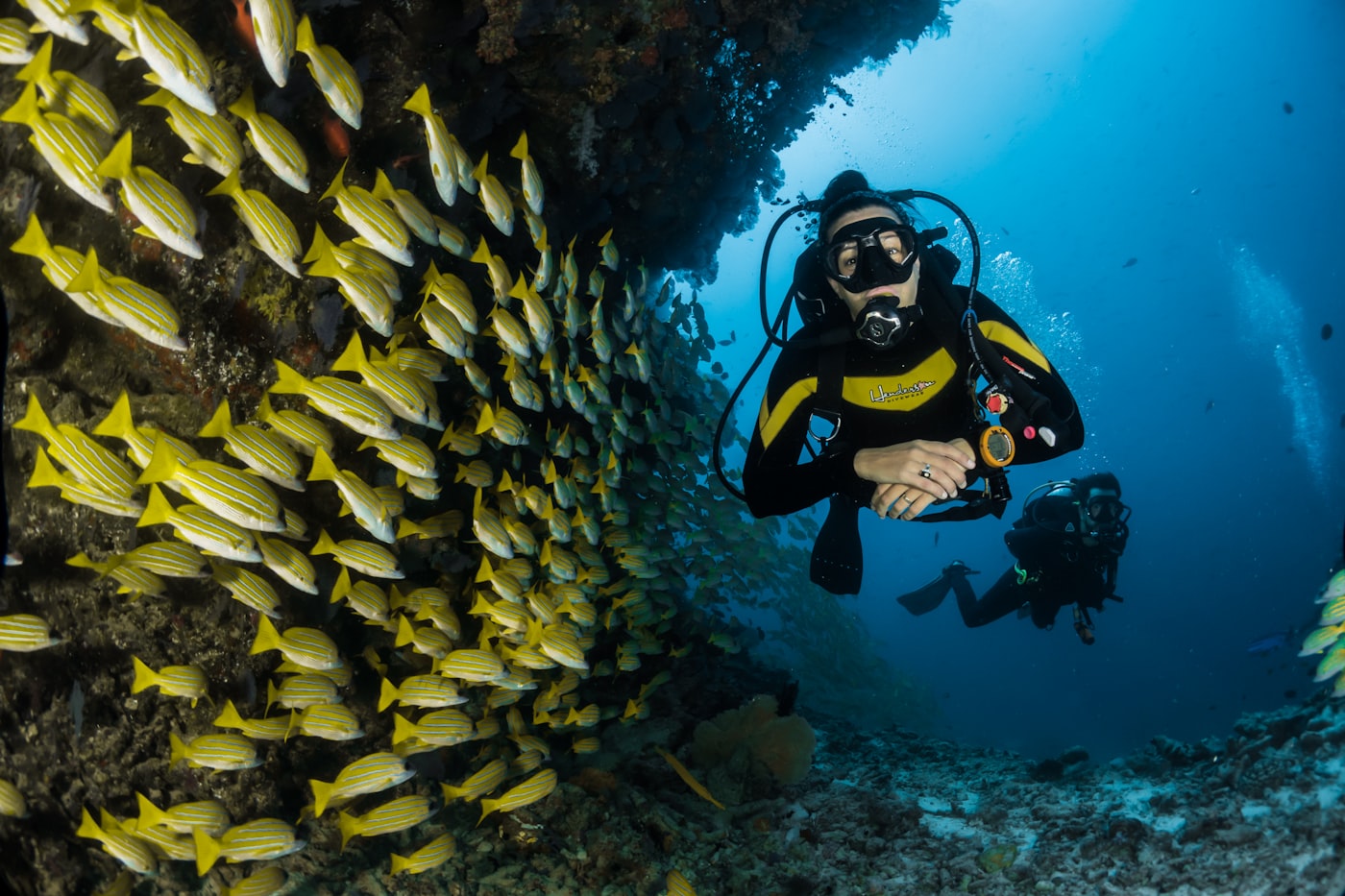
Bonaire is one of the safest island picks for people who care more about diving, snorkeling, and quiet evenings than nightlife. The vibe is slower, which many travelers love.
Why people pick it: smaller scale, strong water-activity culture, low chaos
Watch-outs: less nightlife, rental vehicle theft precautions still matter
Best for: divers, reef lovers, relaxed couples
Need help comparing ABC options? Read Curacao vs Bonaire before booking.
Barbados: balanced option with good infrastructure
Barbados is often a strong choice when travelers want a mix of beach quality, dining, and easier day-to-day logistics. It is also one of the islands where families tend to feel comfortable if they stay in traveler-friendly areas.
Why people pick it: broad accommodation range, reliable services
Watch-outs: nightlife zones require late-night common sense
Best for: families, first-time repeat visitors, balanced trips
Cayman Islands: polished and visitor-friendly
The Cayman Islands are frequently listed among the safest Caribbean destinations due to strong tourism infrastructure and generally high service standards.
Why people pick it: organized environment, easy-to-navigate visitor ecosystem
Watch-outs: higher travel costs can surprise budget travelers
Best for: comfort-first travelers and shorter premium trips
Anguilla: quiet beaches, calmer pace
Anguilla tends to attract travelers who want lower-density beaches, upscale but understated stays, and a destination that feels less hectic than major cruise-heavy hubs.
Why people pick it: calm atmosphere, small-island feel
Watch-outs: fewer direct logistics options compared with larger islands
Best for: couples, slower itineraries, beach-focused trips

Is Aruba safer than Jamaica, Dominican Republic, or Bahamas?
This is one of the most common questions. In general, many travelers perceive Aruba as easier and lower-stress than higher-volume destinations where some areas have elevated crime concerns.
That does not mean Jamaica, Dominican Republic, or Bahamas are automatic no-go destinations. It means you need tighter area selection, smart transport choices, and better nighttime planning.
Safest Caribbean islands for families
If you are traveling with kids, your real target is not just low crime. You also need easier healthcare access, predictable transport, and accommodations in well-reviewed areas.
Strong family-friendly safety picks often include:
Aruba
Barbados
Cayman Islands
Turks and Caicos (great beaches, but watch budget)
For broader island selection planning, check Best Caribbean Islands to Visit in January and adjust by your travel month.
What about Antigua and Barbuda, St Lucia, Grenada, and British Virgin Islands?
These islands are often on safety shortlists too, and many travelers have smooth trips there every year.
Antigua and Barbuda: popular for beach resort stays and manageable island scale.
St Lucia: stunning rainforest and volcano scenery, with neighborhood choice still important.
Grenada: relaxed vibe and a reputation as one of the calmer Caribbean nations for many travelers.
British Virgin Islands: excellent for sailing and island hopping, with generally lower-intensity nightlife risk.
If you see online claims about the “lowest crime rates” or “murder rate league tables,” use them as context only. Safety for tourists depends heavily on where you stay and how you move around.
Safest Caribbean islands during hurricane season
If your travel window falls in hurricane season, prioritize southern islands and flexible bookings. In many cases, Aruba, Bonaire, and Curacao are easier weather-risk picks because they are farther south and often outside the core hurricane belt pattern.
Pair that with:
travel insurance that includes storm disruption
refundable or change-friendly stays
a flexible day-by-day itinerary
Safety mistakes that ruin otherwise great Caribbean vacations
Leaving valuables visible in rental cars
Walking isolated areas late at night after drinking
Ignoring official travel advisories before departure
Booking only by price, not neighborhood quality
Assuming “safe island” means “no precautions needed”
You do not need to be anxious. You need to be intentional.
How to read travel advisories like a normal person
Travel advisories are useful, but they are not always a full prediction of your exact beach week. Treat them as planning tools, not panic alerts.
Level 1 travel / exercise normal precautions: generally lower concern destinations with standard smart habits.
Higher caution levels: can still include safe resort pockets, but require stricter neighborhood and transport planning.
In plain English: even in safer islands, keep normal precautions. In higher-risk islands, increase discipline and avoid freelancing logistics after dark.
Islands that can still be great with extra caution
Not every traveler wants only the lowest-risk shortlist. Some people pick an island for culture, music, family ties, or flight convenience. That is valid.
Destinations like Jamaica, parts of the Dominican Republic, and some urban areas in the Virgin Islands can still be rewarding with better planning, especially if you pre-book trusted transfers and avoid isolated late-night movement.
The point is not fear. The point is matching your precautions to the destination in the Caribbean you choose.
A practical safety checklist before you fly
Check your destination advisory level 2-3 weeks before departure and again 72 hours before flying.
Book airport transfers or trusted rides in advance for arrival night.
Choose accommodations with strong recent reviews that mention neighborhood feel.
Use hotel safes and avoid carrying all documents together.
Keep one backup card separate from your main wallet.
Save local emergency and embassy/consulate contacts in your phone.
What about cost: safest and affordable Caribbean islands?
If you need a safer trip without premium luxury pricing, look at value-focused zones in Barbados and parts of the Dominican Republic with careful location filtering. Aruba is often safer-feeling but can cost more in high season.
For better budget control, map payment strategy in advance using Caribbean Rum Guide for local culture planning and food picks, then pair it with your own daily spend cap. Safety improves when you avoid cash chaos and last-minute scramble decisions.
Book activities after destination safety fit is clear
Once your island choice is final, this is the right time to lock tours and day experiences in well-reviewed operators.
FAQ: Safest Caribbean islands
Which Caribbean island has the lowest crime rate?
Rankings change over time, but islands like Aruba, Cayman Islands, and Anguilla are frequently cited among safer options for tourists. Always verify current advisories before travel.
What is the safest and least expensive Caribbean island?
There is no single winner every season. Barbados can offer a good balance of infrastructure and relative value, while Aruba often feels very safe but is usually pricier.
Is Aruba safer than Jamaica?
Many travelers find Aruba lower-stress and easier to navigate, especially for first-time visits. Jamaica can still be a great trip if you choose areas carefully and use solid on-ground precautions.
Are Caribbean islands safe for families?
Yes, many are. Family-friendly picks often include Aruba, Barbados, and Cayman Islands when you stay in well-reviewed areas and follow normal travel safety habits.
How can I stay safe in the Caribbean without overthinking everything?
Use reputable transport, avoid isolated late-night areas, keep valuables discreet, and pick neighborhoods with strong recent reviews. Simple habits do most of the work.
Final verdict
The best answer to safest caribbean islands is not one magical island. It is the right match between destination, season, neighborhood choice, and your behavior on the ground.
If you want an easy first pick, Aruba is still one of the strongest low-drama choices. If you want quieter pace, Bonaire and Anguilla are smart. If you want balance, Barbados and Cayman Islands deserve serious attention.
Pick well, plan like an adult, and your Caribbean vacation can feel both fun and genuinely secure.
Share this Rant:
Frequently Asked Questions
Which Caribbean island has the lowest crime rate?
Rankings change over time, but islands like Aruba, Cayman Islands, and Anguilla are frequently cited among safer options for tourists. Always verify current advisories before travel.
What is the safest and least expensive Caribbean island?
There is no single winner every season. Barbados can offer a good balance of infrastructure and relative value, while Aruba often feels very safe but is usually pricier.
Is Aruba safer than Jamaica?
Many travelers find Aruba lower-stress and easier to navigate, especially for first-time visits. Jamaica can still be a great trip if you choose areas carefully and use solid on-ground precautions.
Are Caribbean islands safe for families?
Yes, many are. Family-friendly picks often include Aruba, Barbados, and Cayman Islands when you stay in well-reviewed areas and follow normal travel safety habits.
How can I stay safe in the Caribbean without overthinking everything?
Use reputable transport, avoid isolated late-night areas, keep valuables discreet, and pick neighborhoods with strong recent reviews. Simple habits do most of the work.
Comments (0)
No comments yet. Be the first to complain.